儿臣这脾气确实是太可恶了
“that my temper is indeed terrible.”
THE DIALOGUE REEL
儿臣确实的意思是说
“What I meant was”
儿臣这脾气 确实是 太可恶了
“that my temper is indeed terrible.”
母后坐
“Please sit, Mother.”
“Please do not be angry anymore; I admit my outburst was wrong.”
Taking extreme blame upon oneself before an imperial parent is an essential face-giving strategy to restore harmony and demonstrate obedience.
LEARNING CHUNKS & PARTICLES
your royal son (humble self-reference)
Historical term used by princes or princesses when addressing their imperial parents.
detestable; abominable; obnoxious
Used here self-critically to emphasize remorse and soothe the other party's anger.
Emphasizes the excessiveness of the flaw in the '太...了' construction.
VOCABULARY & EXPRESSIONS
Parallel Spoken Cinema Scenes (语义近邻切片)
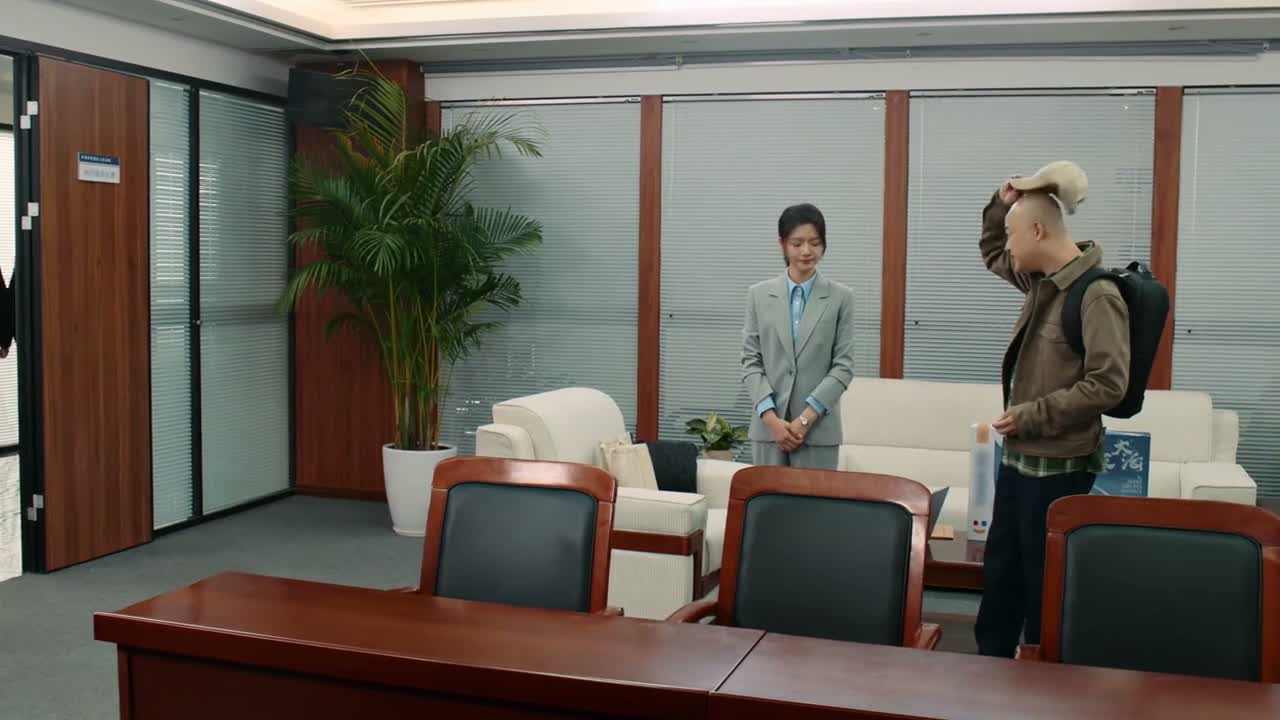
“What's wrong with my temper? Seriously?”
“What's wrong with my temper?”

“My temper? What's wrong with my temper? Seriously?”

“My temper? What's wrong with my temper?”

“And they say I have a bad temper. Is this really about my temper?”

“With your temper, do not try to be an official.”