还有那位女士 麻烦往后退一退
“Ma'am, please step back.”
THE DIALOGUE REEL
不要围观
“No crowding.”
还有 那位女士 麻烦 往后退一退
“Ma'am, please step back.”
这儿 这儿我拍过了
“I've photographed this spot.”
Direct spoken expression in this communicative setting.
Chinese officials in public-facing roles often use '麻烦' (trouble you) and reduplicated verbs ('退一退') to assert professional authority without causing public friction.
LEARNING CHUNKS & PARTICLES
please / sorry to trouble you
A polite imperative marker widely used in public services and daily requests to soften an order.
step back a bit
Reduplication of the verb '退' softens the directive, making it courteous yet clear.
VOCABULARY & EXPRESSIONS
Parallel Spoken Cinema Scenes (语义近邻切片)
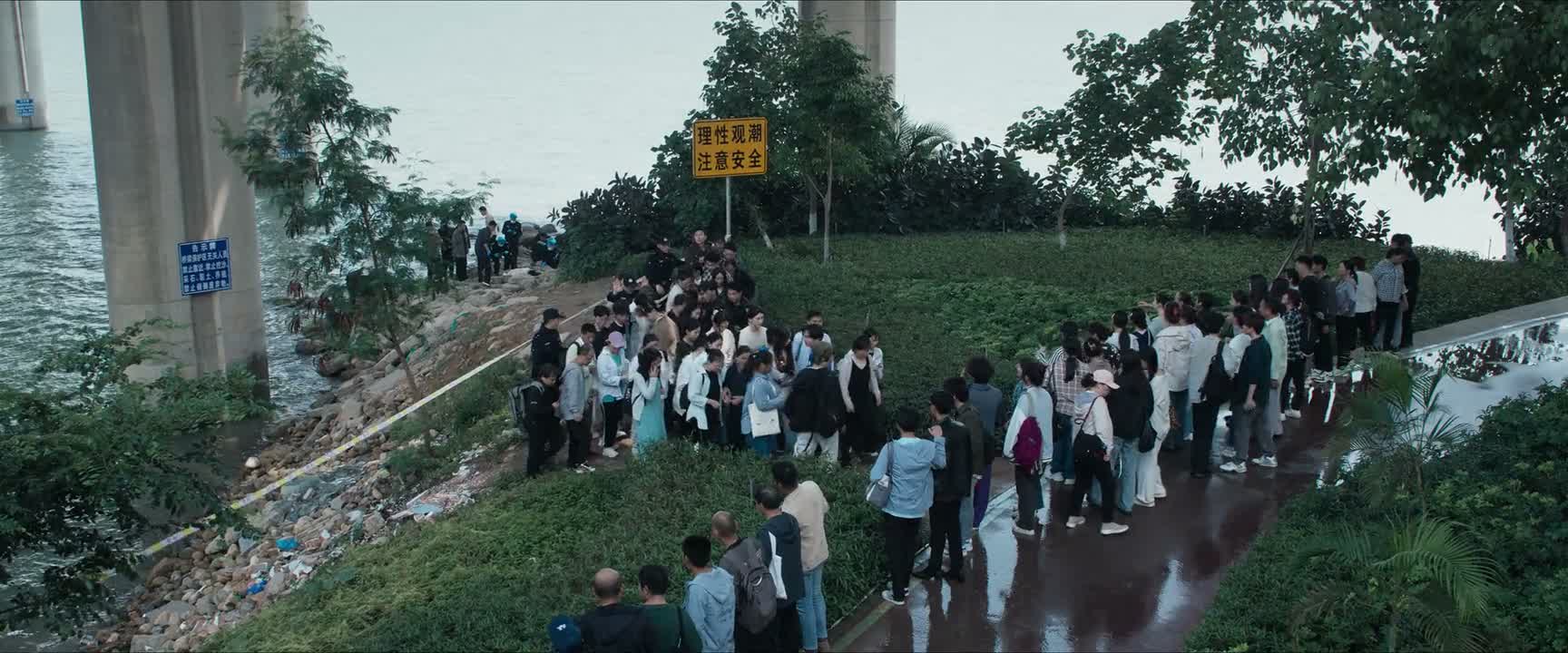
“Here. Move back, move back. Please make way. Step back a bit.”

“Coming through. Make way. Everyone, please step back.”

“Girls, step back. Boys, get him!”

“Look into the woman as well.”
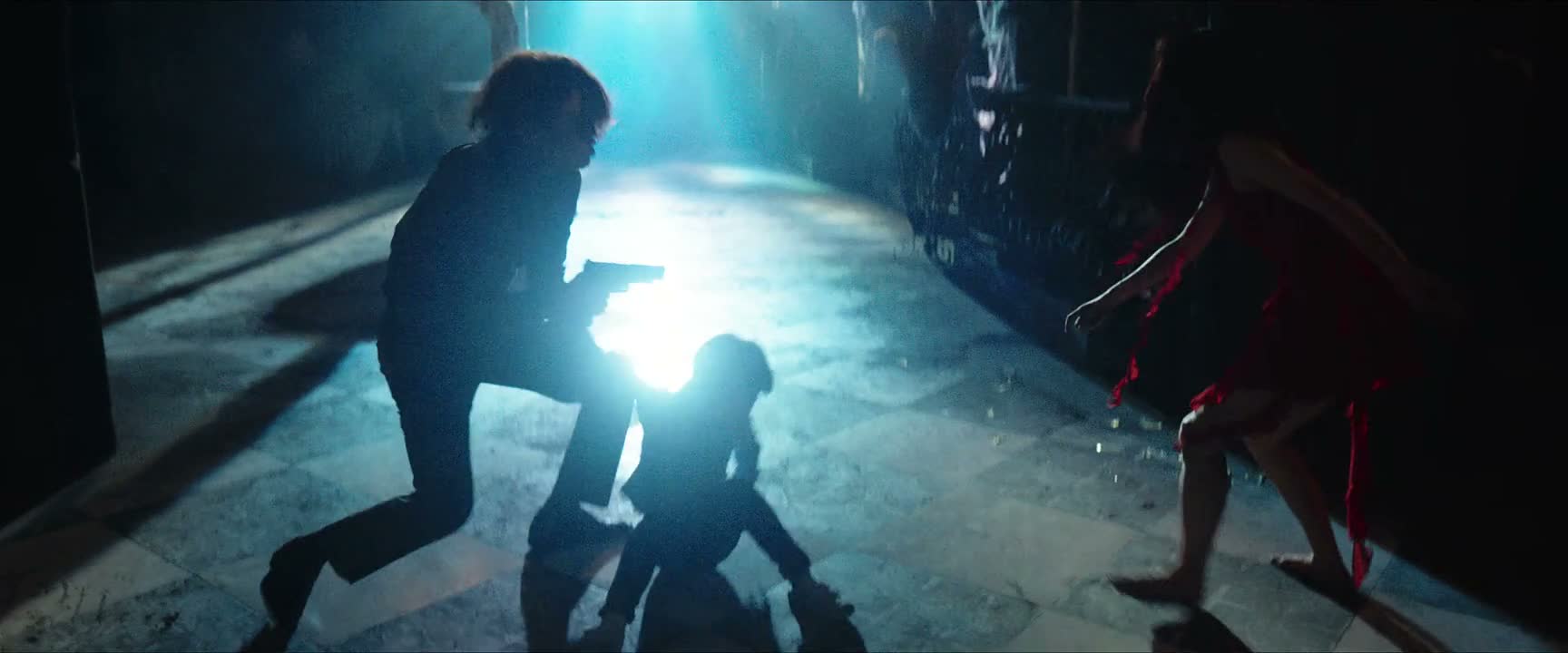
“Back off! Back off now.”
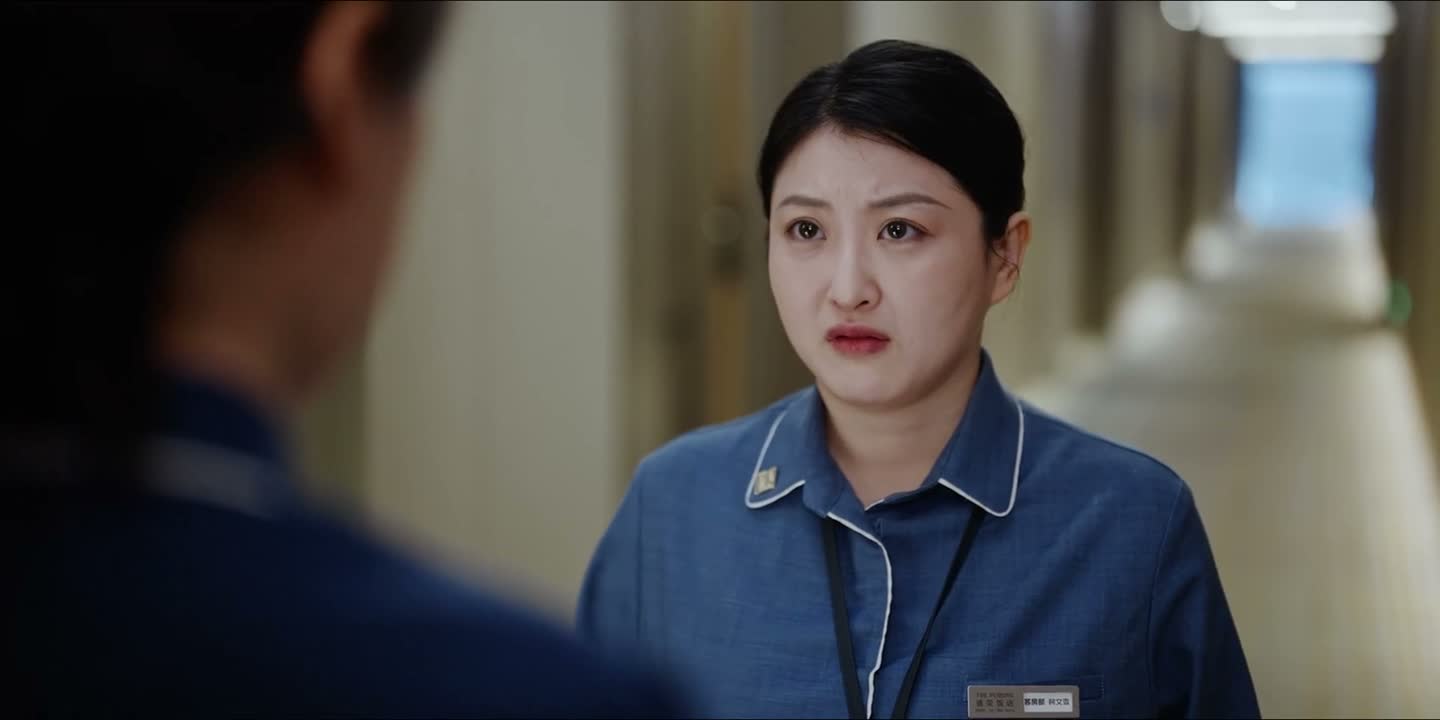
“Fortunately, Mr. Ji took a step back just now.”
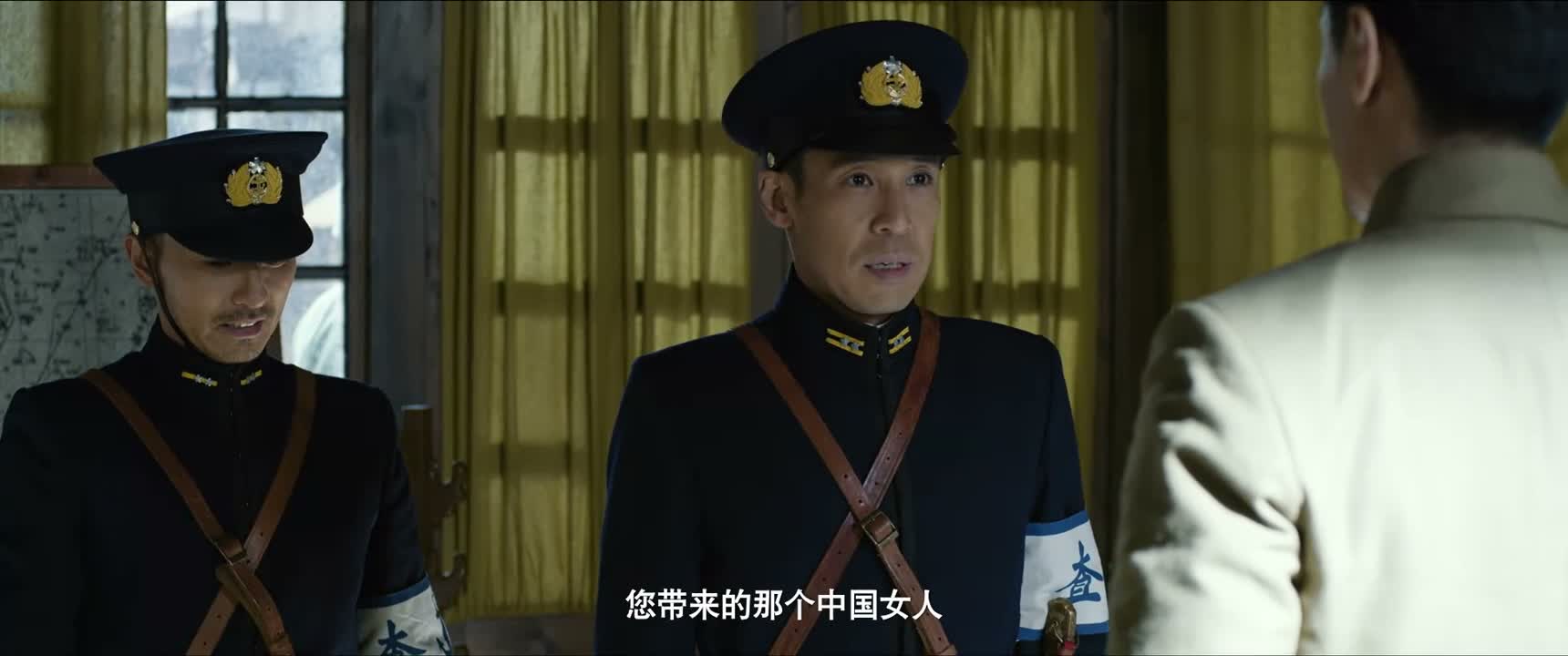
“that Chinese woman you brought with you”

“Step back, everyone! Guys, please cooperate!”