到时候第一个粉身碎骨的
“when things collapse, she will be the first to suffer.”
THE DIALOGUE REEL
否则
“Otherwise,”
到时候 第一个 粉身碎骨 的
“when things collapse, she will be the first to suffer.”
一定是她
“when things collapse, she will be the first to suffer.”
Direct spoken expression in this communicative setting.
Using vivid four-character idioms like 粉身碎骨 heightens emotional stakes, portraying political or legal risk as existential peril.
LEARNING CHUNKS & PARTICLES
when the time comes; at that time
A highly frequent temporal marker in spoken Chinese used to project future scenarios or deadlines.
to be smashed to smithereens; to face utter destruction
An intense four-character idiom (chengyu) denoting absolute physical or political ruin.
Functions as a nominalizer marking the predicate clause as an entity ('the one who will be...').
VOCABULARY & EXPRESSIONS
Parallel Spoken Cinema Scenes (语义近邻切片)

“Even if I'm shattered to pieces”
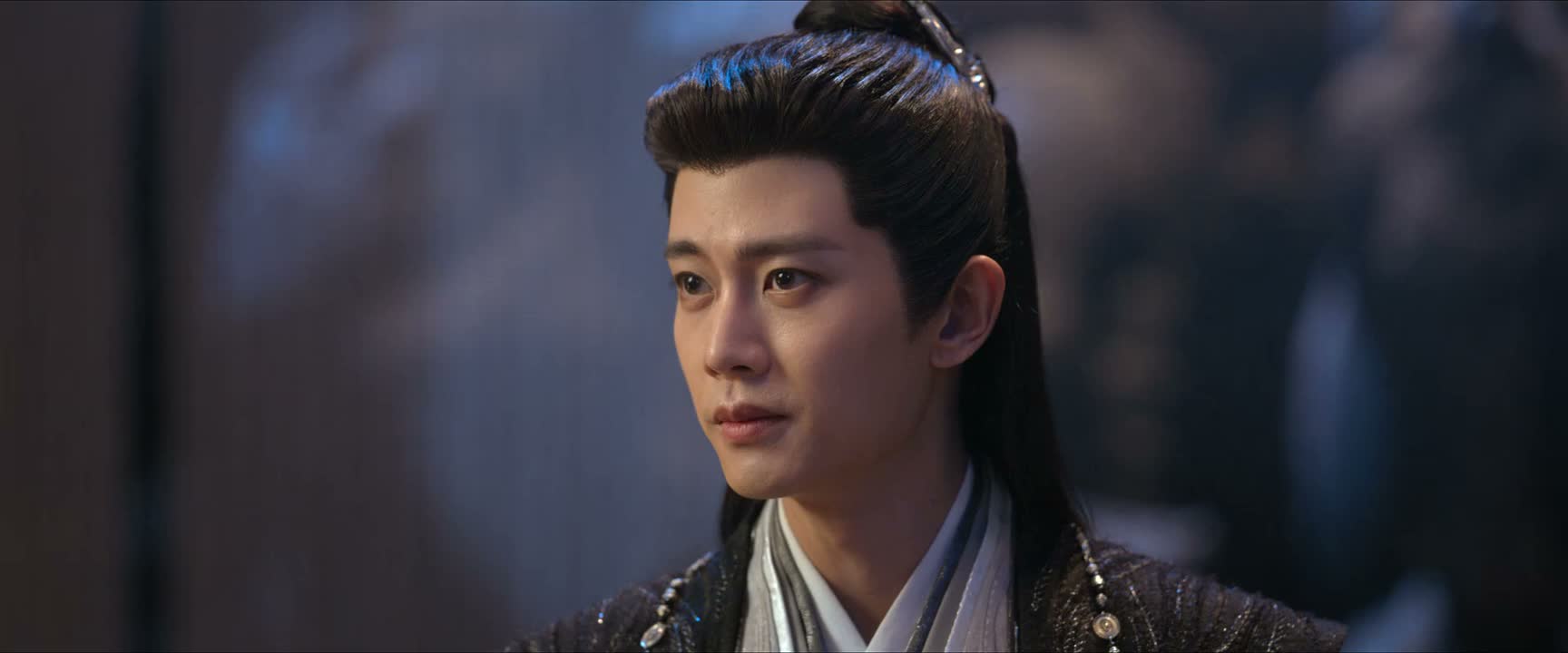
“Have you ever thought about”

“One slip, and we'll be destroyed.”

“That is a matter of life and death,”

“This is the pain of having every bone crushed.”

“I will stake my life and not shrink from death.”