MC
MandarinClips Cinema Corpus
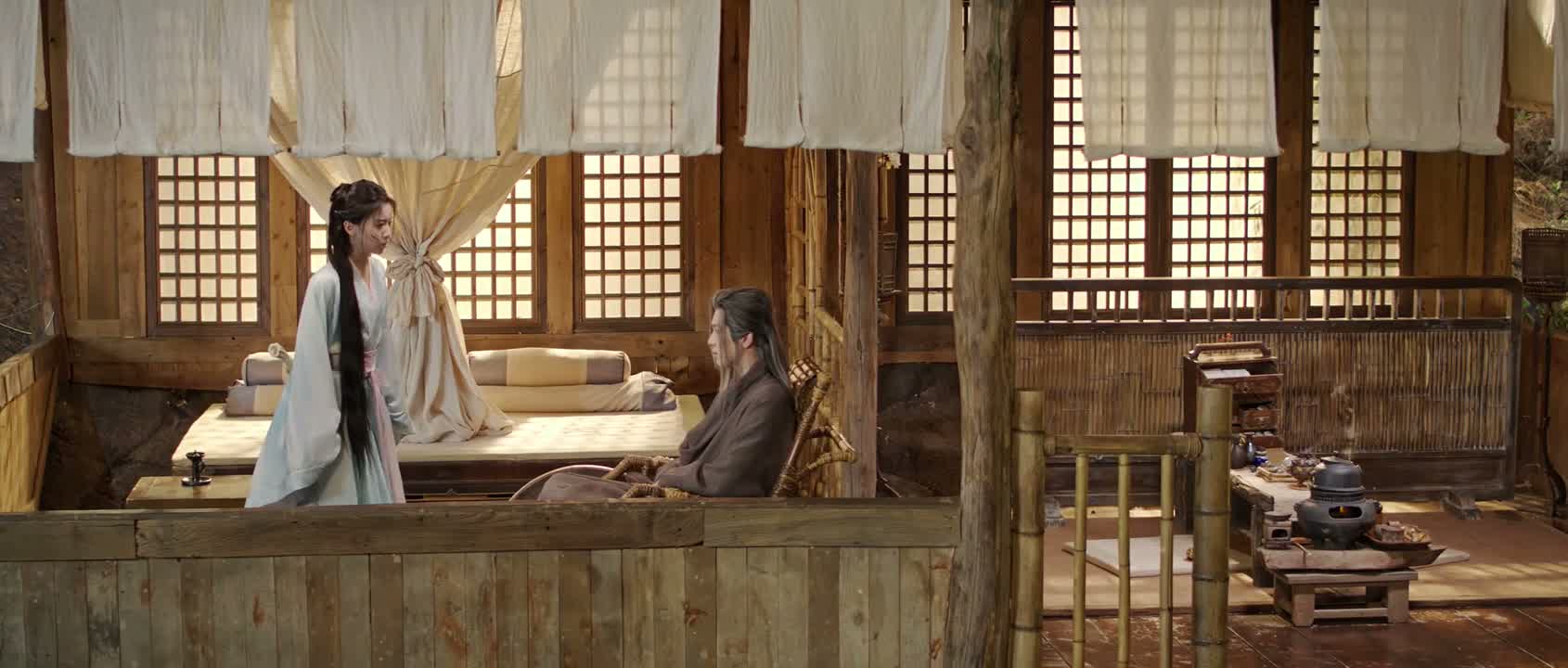
《Generation to Generation》 S1·E35 (18:06) HSK 7
nán dào nǐ jiù bù xiǎng gěi nǐ gū gū bào chóu ma

难道你就不想给你姑姑报仇吗

“Don't you want revenge for your aunt?”

《Generation to Generation》 S1·E35
TIMECODE: 18:06 · 1080P MASTER AUDIO

THE DIALOGUE REEL

1+1+1 SPOKEN CONTINUITY
[-1] PREVIOUS TURN nán dào nǐ jiù bù hèn yǐn dài

“Don't you hate Yin Dai?”

nán dào nǐ jiù bù xiǎng gěi nǐ gū gū bào chóu ma CURRENT FOCUS

难道你就不想给你姑姑报仇吗

“Don't you want revenge for your aunt?”

[+1] FOLLOW-UP TURN wǒ dāng rán hèn yǐn dài

我当然恨尹岱

“Of course I hate Yin Dai.”

Subtitles synced to millisecond timecode Browse Show Clips →
Scene: Crisis & Conflict
Function: PROVOKING ACTION
Tone: PROVOCATIVE
Emotion: ANGER
WHAT THEY REALLY MEAN (PRAGMATIC SUBTEXT)
“How can you just sit there and do nothing when your own flesh and blood was wronged?”
💡 Cultural Insight: Filial Vendetta (Fuchou)

In traditional Chinese culture and wuxia narratives, avenging deceased family members is viewed as a mandatory moral obligation and ultimate expression of filial piety.

INTENT TAGS: #provocation #guilt_tripping #challenging #inciting_revenge
🧩

LEARNING CHUNKS & PARTICLES

2 CHUNKS · 1 PARTICLES
难道 SPOKEN CHUNK

could it be that; do you mean to say

A rhetorical adverb used at the beginning of a question to convey strong disbelief, challenge, or accusation.

给……报仇 SPOKEN CHUNK

to avenge someone; to take revenge for someone

A standard construction where the beneficiary or victim of the harm is placed between 'gei' and 'baochou'.

Modal Particle「吗」 (ma) CHANGE OF STATE

Converts the rhetorical statement into an interrogative question, heightening the challenging tone.
🏮

VOCABULARY & EXPRESSIONS

3 EXPR · 10 GRAMMAR
CROSS-CINEMA CORPUS BOARD · PARALLEL SCENES

Parallel Spoken Cinema Scenes (语义近邻切片)

EXPLORE BY SEMANTIC SIMILARITY
《Generation to Generation》 S1·E35 (18:06) · Authentic Cinema Dialogue Corpus