MC
MandarinClips Cinema Corpus
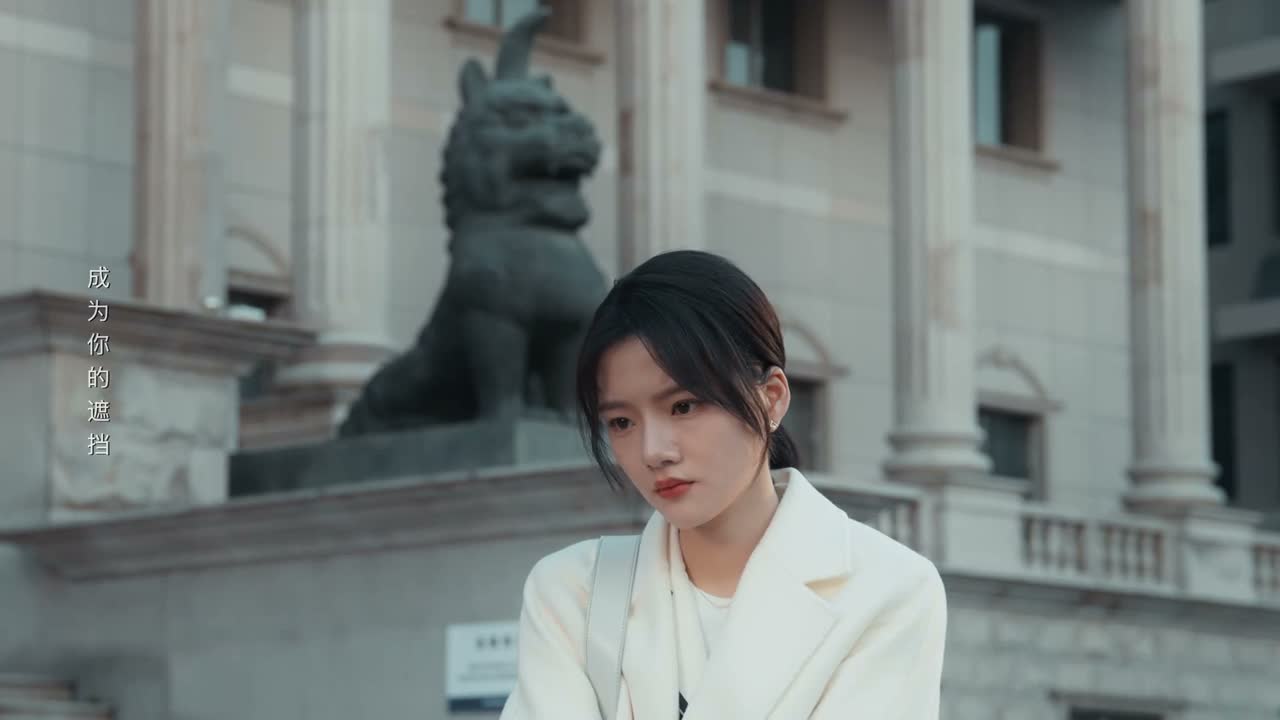
《COURT!》 S1·E17 (39:54) HSK 4
nǐ nán dào hái huì fàng qì tā ma

你难道还会放弃她吗

“could you still turn your back on her?”

《COURT!》 S1·E17
TIMECODE: 39:54 · 1080P MASTER AUDIO

THE DIALOGUE REEL

1+1+1 SPOKEN CONTINUITY
[-1] PREVIOUS TURN rèn hé ràng nǐ xīn dòng de rén

任何让你心动的人

“never feeling that spark again,”

nǐ nán dào hái huì fàng qì tā ma CURRENT FOCUS

你 难道 还会 放弃 她 吗

“could you still turn your back on her?”

[+1] FOLLOW-UP TURN nǐ men huì ma

你们会吗

“Would any of you?”

Subtitles synced to millisecond timecode Browse Show Clips →
Scene: Social & Dating
Function: CHALLENGING ASSUMPTION
Tone: PROBING
Emotion: SKEPTICISM
WHAT THEY REALLY MEAN (PRAGMATIC SUBTEXT)
“You know you wouldn't give her up if you genuinely cared about her.”
💡 Cultural Insight: Rhetorical Questioning in Intimate Debates

In Chinese discussions about interpersonal devotion, rhetorical questions framed with '难道' are frequently used to appeal to universal moral instincts rather than directly accusing the listener.

INTENT TAGS: #challenging #rhetorical_questioning #probing #emotional_appeal
🧩

LEARNING CHUNKS & PARTICLES

2 CHUNKS · 1 PARTICLES
难道还会 SPOKEN CHUNK

could it really be that (one) would still...

Used in rhetorical questions to emphasize disbelief or challenge the likelihood of an outcome.

放弃她 SPOKEN CHUNK

give her up / abandon her

A common verbal phrase used when discussing walking away from a relationship.

Modal Particle「吗」 (ma) CHANGE OF STATE

Marks the rhetorical question, demanding confirmation or self-reflection from the listener.
🏮

VOCABULARY & EXPRESSIONS

3 EXPR · 6 GRAMMAR
CROSS-CINEMA CORPUS BOARD · PARALLEL SCENES

Parallel Spoken Cinema Scenes (语义近邻切片)

EXPLORE BY SEMANTIC SIMILARITY
《COURT!》 S1·E17 (39:54) · Authentic Cinema Dialogue Corpus