一般人都没怎么上过法庭
“Most people haven't been to court.”
THE DIALOGUE REEL
我应该说些什么呢
“What am I even supposed to say?”
一般人 都 没怎么 上 过 法庭
“Most people haven't been to court.”
这正常人上法庭
“It's enough to make”
“Don't stress over not knowing what to do; nobody does this regularly.”
Traditional Chinese culture historically emphasizes social harmony and avoids litigation, meaning ordinary citizens rarely set foot in court and perceive legal proceedings as unusually intimidating.
LEARNING CHUNKS & PARTICLES
ordinary people; average people
Used colloquially to contrast normal daily life with rare or specialized situations.
to appear in court; to go to court
The standard natural verbal phrase for attending a legal proceeding or trial.
VOCABULARY & EXPRESSIONS
Parallel Spoken Cinema Scenes (语义近邻切片)
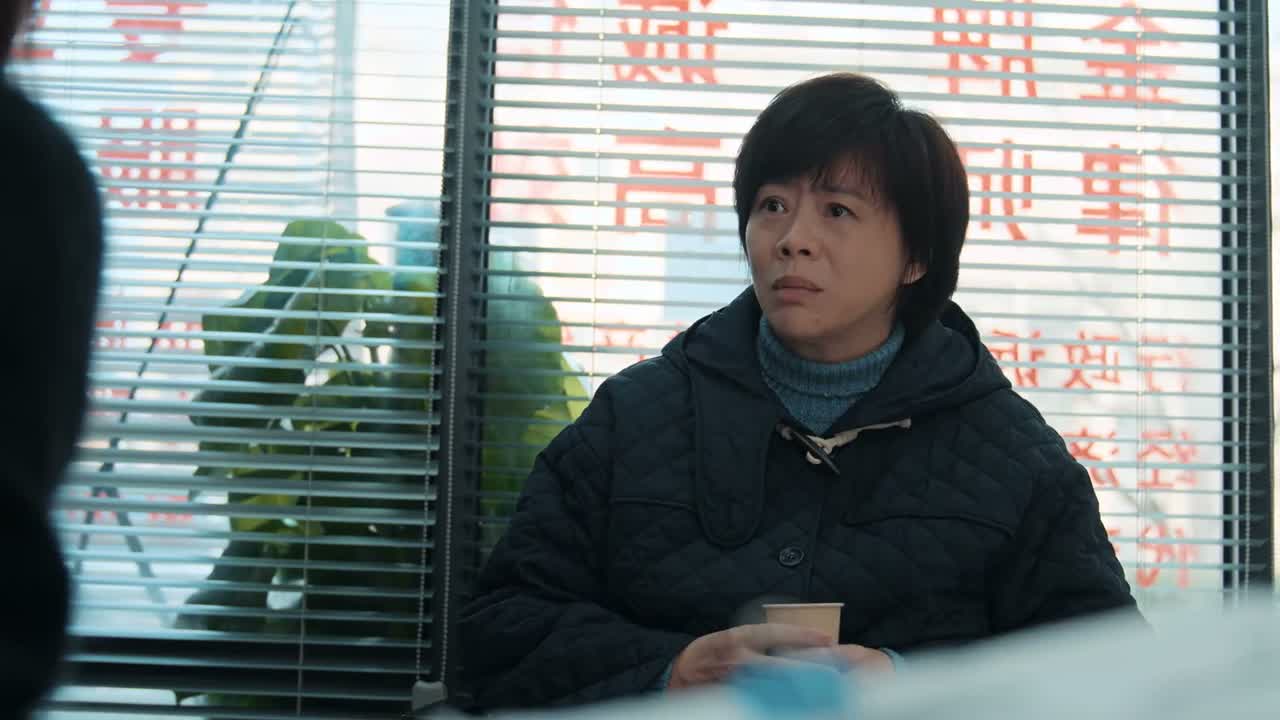
“But I've never been in a courtroom.”

“We're not afraid of a fight in court.”

“But please don't say that in court.”

“Is this going to be a tough case?”

“Don't force us into court.”

“Haven't even talked to them yet, and you want to sue?”