你不说我就不知道 你在想什么
“If you don't tell me, I won't know what you are thinking about.”
THE DIALOGUE REEL
你说呀
“Tell me.”
你不说我就 不知道 你 在想什么
“If you don't tell me, I won't know what you are thinking about.”
小时候认识你就闷闷的 那些野孩子都说你是
“When I met you when we were little, you looked depressed, and those wild children said”
“Stop shutting me out and expecting me to read your mind.”
Traditional Chinese culture often values stoicism and internalized feelings ('闷'), but in modern intimate relationships this frequently clashes with the desire for direct verbal communication.
LEARNING CHUNKS & PARTICLES
if you don't say it, I won't know
A common paired condition structure (不...就...) used to push someone to communicate.
what [someone] is thinking
Standard phrase to inquire about someone's internal mental state or worries.
VOCABULARY & EXPRESSIONS
Parallel Spoken Cinema Scenes (语义近邻切片)

“You have no idea what I've done.”

“Do you know what you're talking about? You let me go.”

“We know even if you didn't say anything.”

“You don't. Why aren't you saying anything? You can't talk.”

“Do you think I can't find out if you don't tell me?”

“I really don't know what you're talking about.”
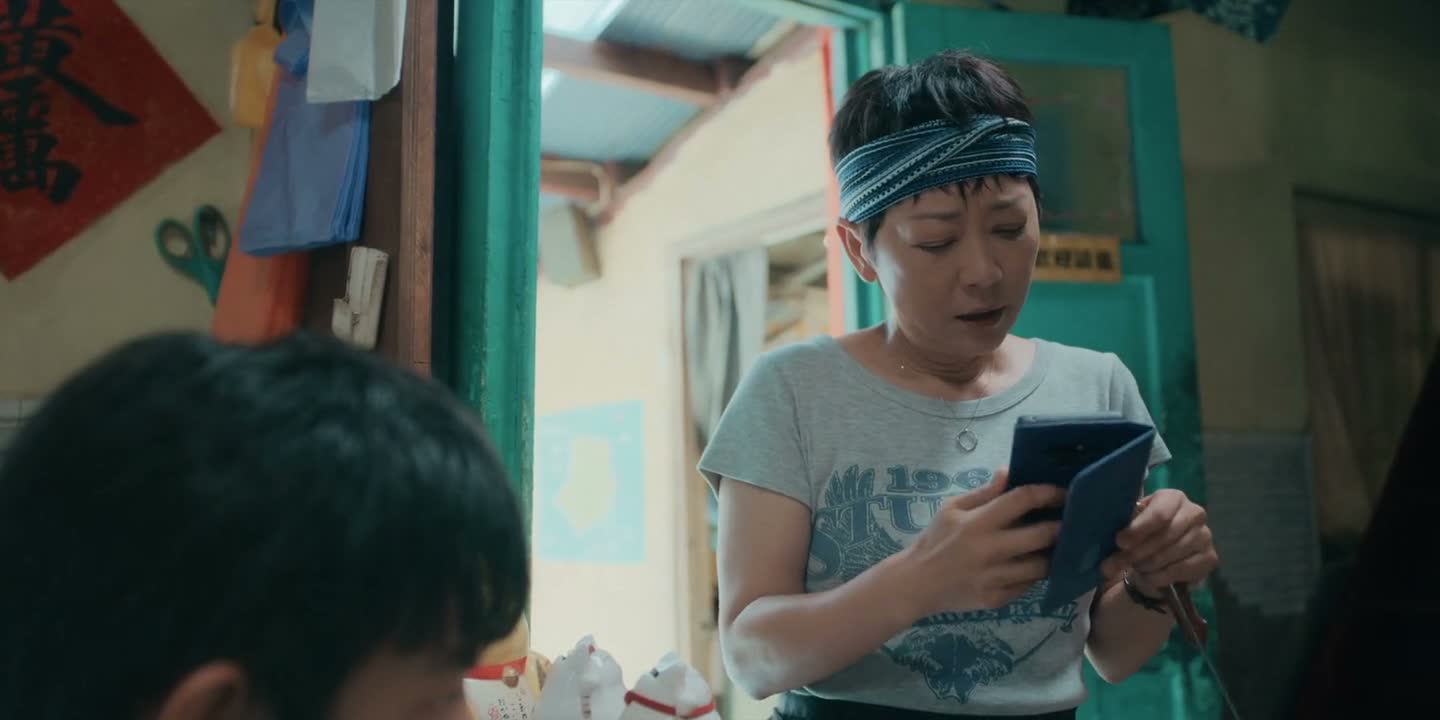
“What are you thinking?”

“I just haven't said anything. Don't think I know nothing.”

“Do you know why I wanted to marry Shen Xing off to you?”

“Yeah, I wouldn't have known if you didn't tell me.”

“Don't think I don't know what you're up to.”

“Do you have any idea what you're doing? You, the heir of a marquisate,”

“Don't you have anything to say?”

“Just pretend I didn't say that, and you don't know anything.”