你以为你不说我就不知道了吗
“Do you think I can't find out if you don't tell me?”
THE DIALOGUE REEL
是不是你联手她一起来骗我
“Did you join hands with her to deceive me?”
你以为 你不说 我就不 知道了吗
“Do you think I can't find out if you don't tell me?”
塔主
“Tower Master!”
“Staying silent won't save you; I already know everything you did.”
Superiors in Chinese dramatic narratives frequently use rhetorical intimidation to pressure subordinates into confession rather than presenting concrete evidence directly.
LEARNING CHUNKS & PARTICLES
Do you really think I wouldn't know just because...
A highly rhetorical and confrontational pattern used to dismantle someone's secrecy or denial.
Functions in combination with '吗' to indicate a realized change of state in a rhetorical challenge.
Converts the statement into a sharp rhetorical question, emphasizing the obviousness of the speaker's knowledge.
VOCABULARY & EXPRESSIONS
Parallel Spoken Cinema Scenes (语义近邻切片)

“I don't know what you're talking about. You already know very well who I am.”

“Do you know how much impact public opinion will have on you?”

“I didn't know that. I even scolded you.”

“Don't you know that you're both impulsive and foolish?”

“you dare say you don't know?”

“Don't know? Aren't you my best friend? Why wouldn't you know?”

“Don't you know that there are already rumors going around”

“Do you think I don't know what it is you've hidden?”

“We know even if you didn't say anything.”

“You don't. Why aren't you saying anything? You can't talk.”

“Do I not know he's doing this for you? I've already confessed. I don't need him to cover for me.”
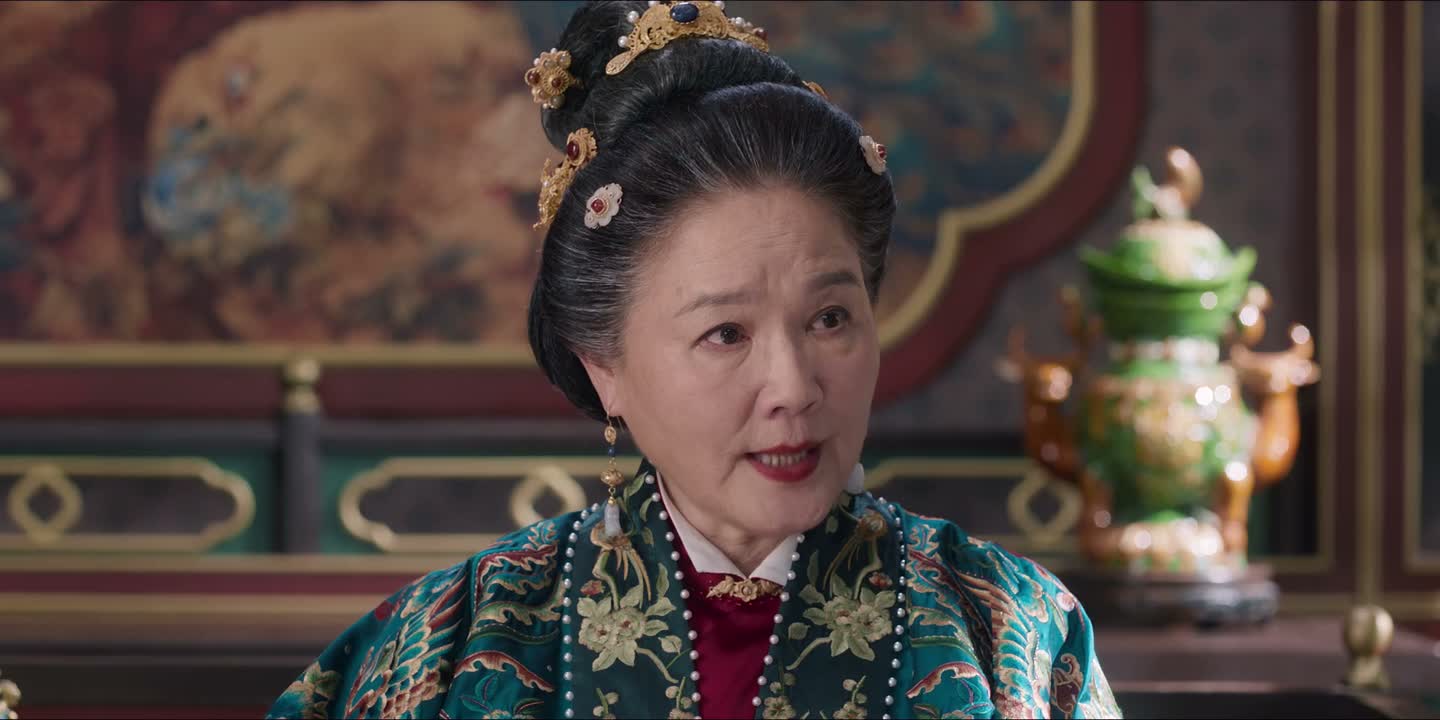
“You take me for a fool?”

“Others might not know, but I know that.”

“If you don't tell me, I won't know what you are thinking about.”

“Yeah, I wouldn't have known if you didn't tell me.”

“do you even hear yourself?”

“Do you have any idea what you're doing? You, the heir of a marquisate,”

“Others may not know, but I do.”

“just pretend you don't know about my difficulties.”

“I know you well. Tell me. What is it?”
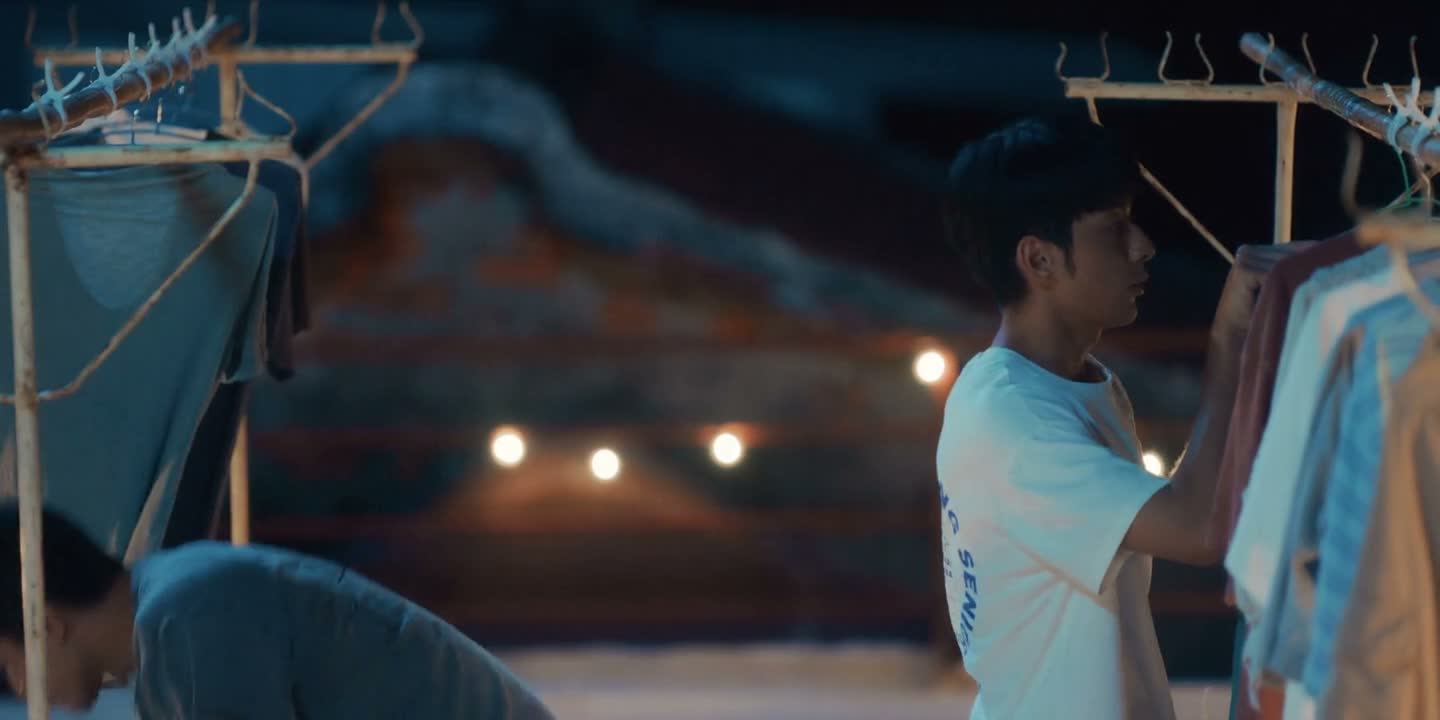
“How else do you think I know your name?”