旁人不知道 我还不知道吗
“Others may not know, but I do.”
THE DIALOGUE REEL
你说呢
“What do you think?”
旁人不知道 我 还不知道吗
“Others may not know, but I do.”
“Don't bother lying to me; I know the truth better than anyone.”
In Chinese discourse, countering evasion with a rhetorical question asserting personal knowledge signals dominance and dismantles the other party's deniability.
LEARNING CHUNKS & PARTICLES
others may not know
Used to contrast public ignorance with one's own privileged insight.
how could I not know?
A rhetorical question used to strongly assert that one is fully aware of a secret or fact.
Transforms the statement into a rhetorical question that reinforces absolute certainty.
VOCABULARY & EXPRESSIONS
Parallel Spoken Cinema Scenes (语义近邻切片)

“As bystanders, we don't know the full story,”

“No one else knows. Do not tell anyone.”

“the way I'm making money.”

“Don't you know that there are already rumors going around”

“Let me tell you. Many people had crushes on him back then.”

“Did you know that human bones actually feel no pain?”

“doesn't know you have feelings for Miss Wang?”

“Do you think I can't find out if you don't tell me?”

“There's a lot you don't know.”

“You don't know. You don't know. Lin Zhanqiao certainly doesn't know.”

“The servants didn't know who he was and dared not ask.”

“You think we don't know what you're really like? Let me go!”

“Others might not know, but I know that.”

“Why didn't you tell me? I didn't know it at all.”

“Someone knows something or they don't.”
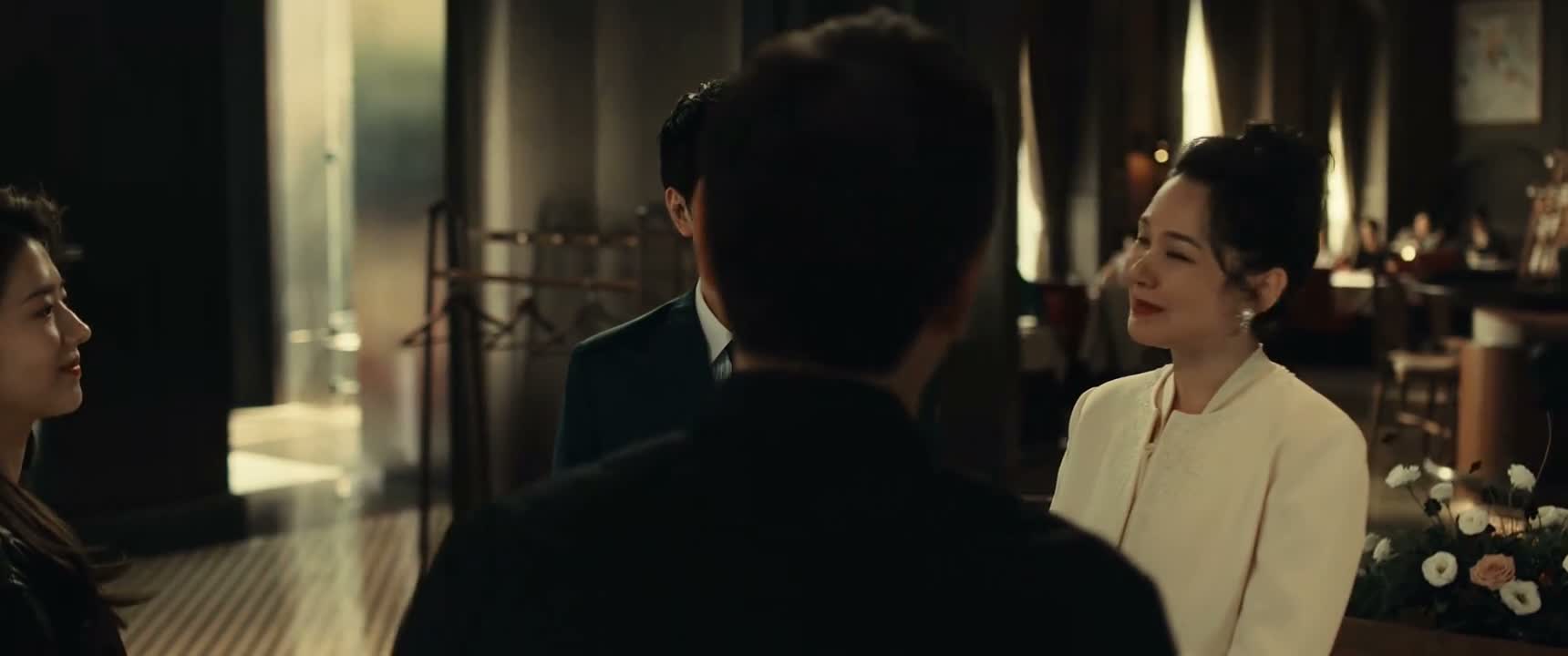
“You wouldn't know. Our friends all say”

“People would think you're reasonable and kind-hearted.”
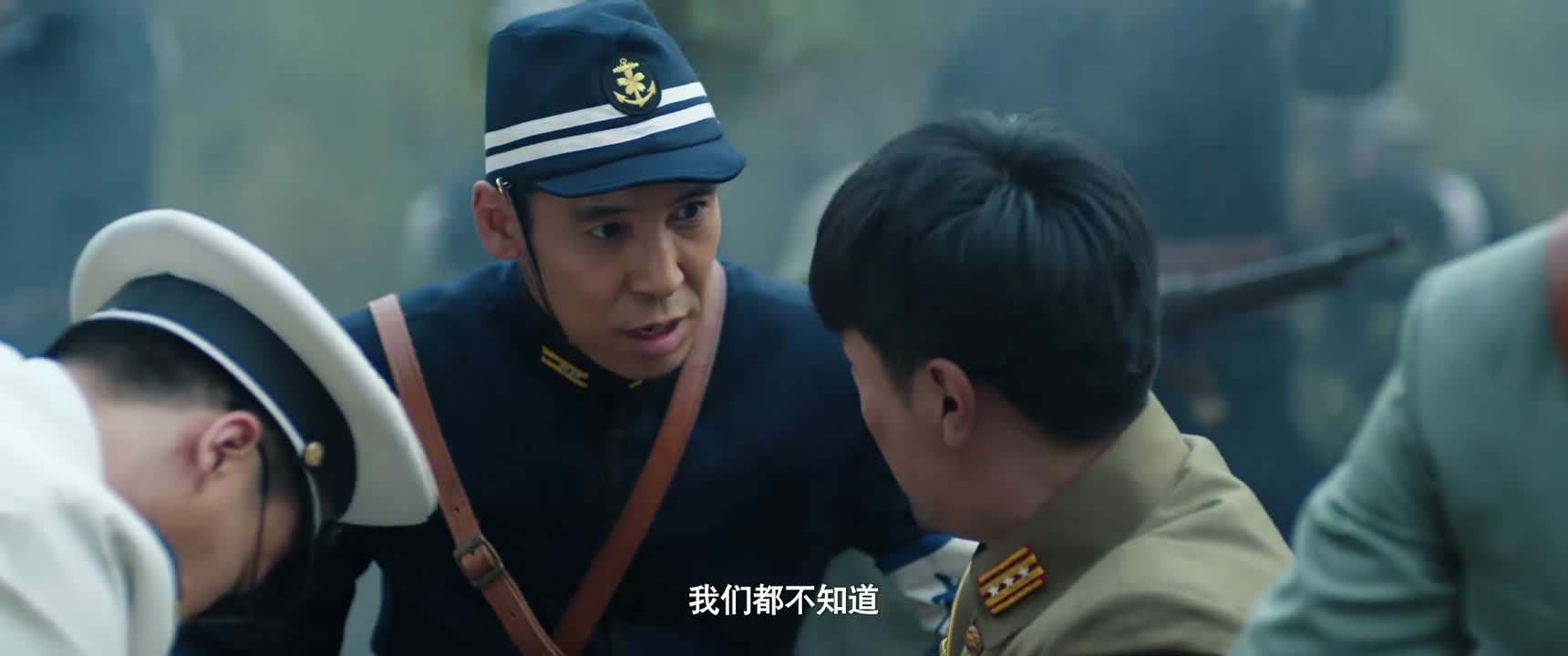
“We didn't know about it”

“(Looks like Li Yifei still doesn't know.)”
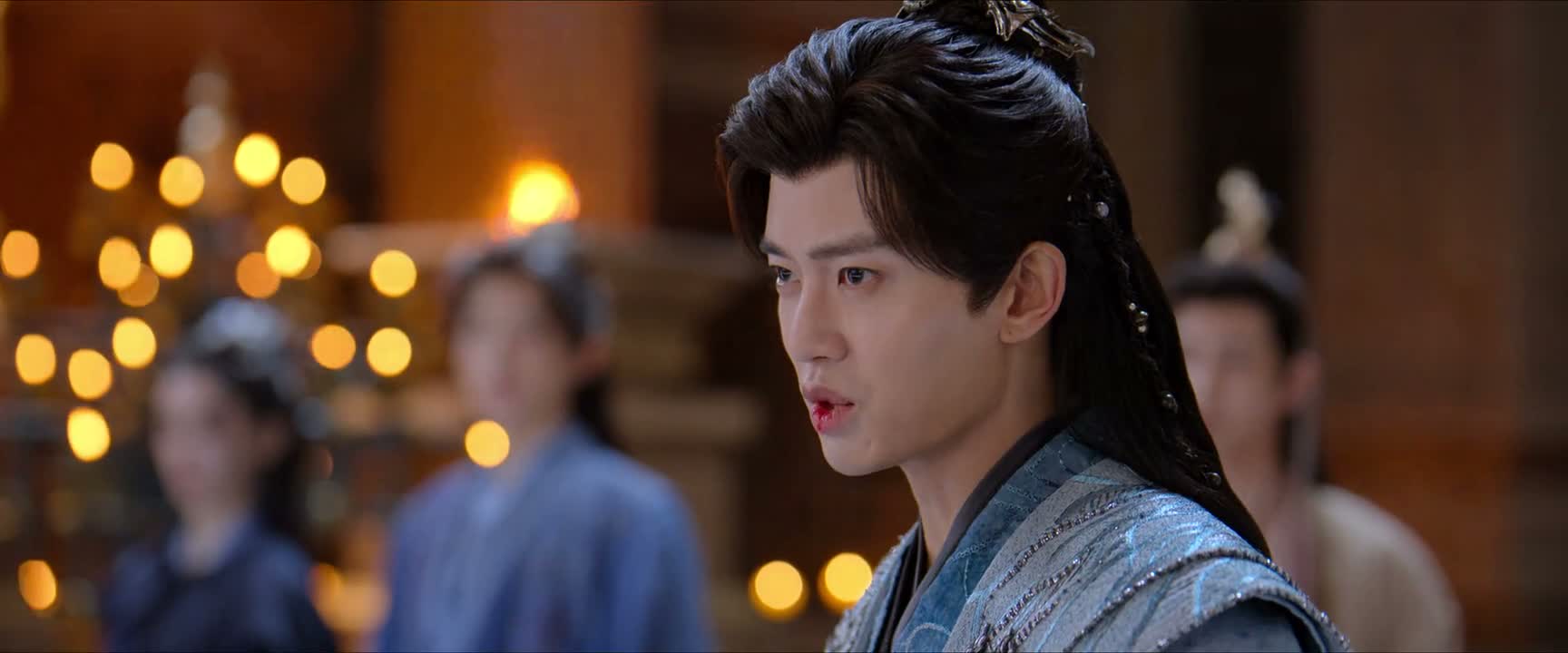
“There's a lot you don't know.”

“He doesn't know that I know it.”
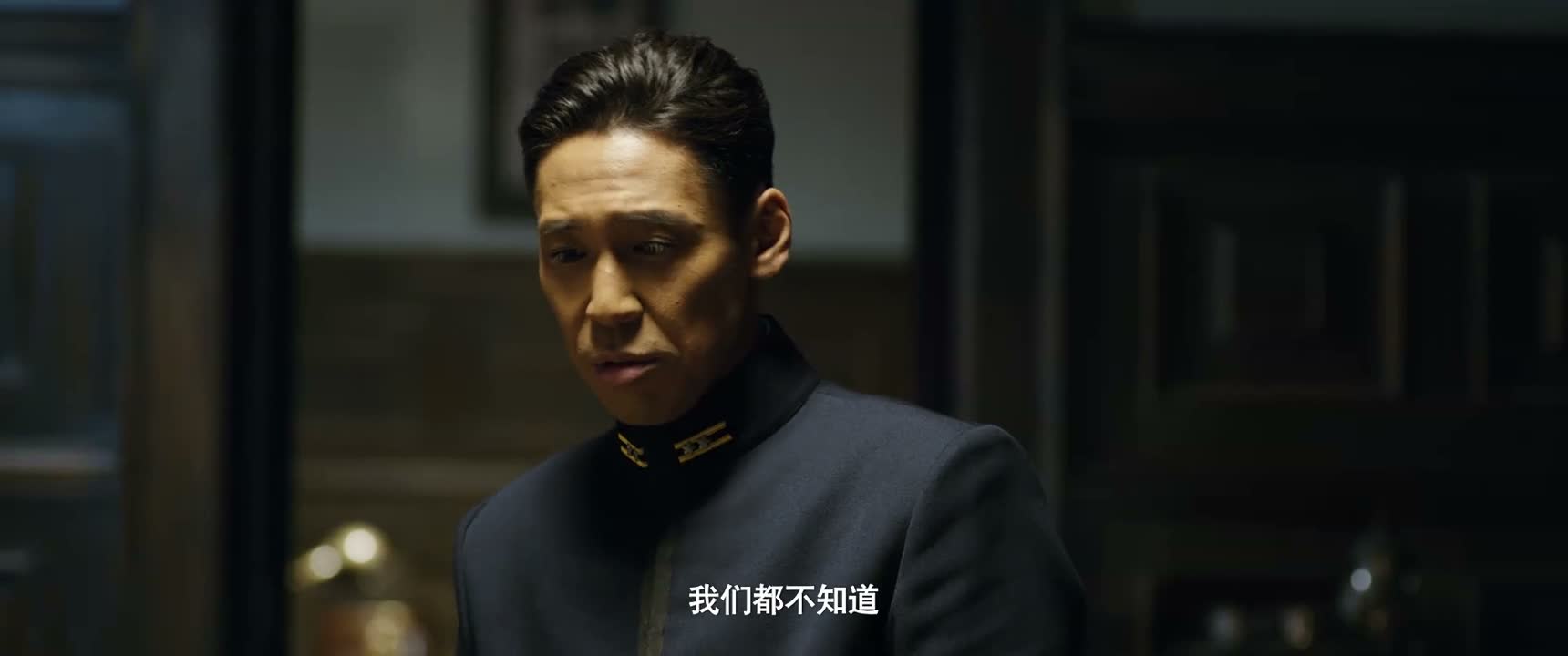
“We don't know.”