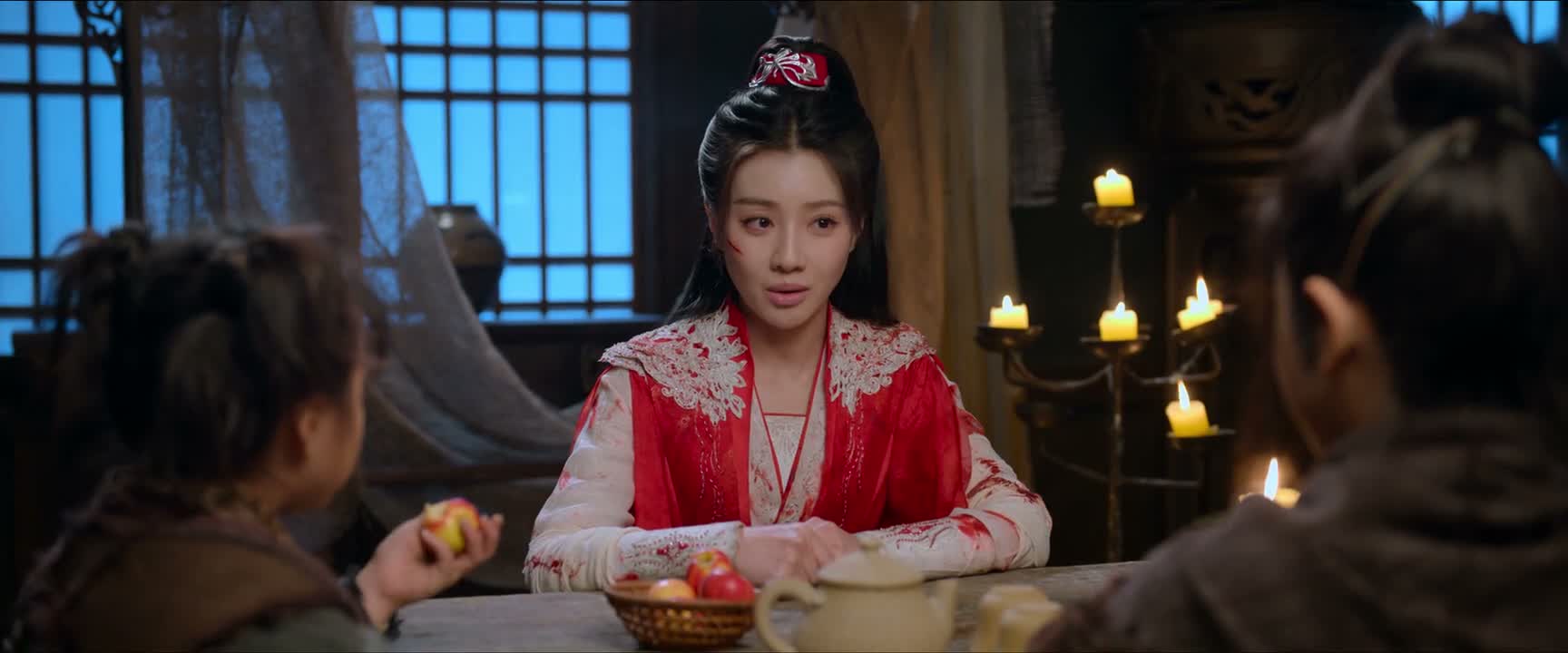
从小就这么叫你 都叫习惯了 那叫什么呀
“I've called you that since childhood. What should I call you?”
THE DIALOGUE REEL
从小 就这么 叫你 都 叫习惯了 那叫 什么呀
“I've called you that since childhood. What should I call you?”
谦宝宝
“Baby Qian?”
“Don't act embarrassed; you know I'm entitled to call you that because of how close we are.”
Chinese childhood nicknames often feature diminutive prefixes like 'Xiao' or reduplicated characters, highlighting affectionate bonds that persist into adulthood despite mock protests.
LEARNING CHUNKS & PARTICLES
ever since childhood
Commonly placed before a verb phrase to emphasize that an action or habit has persisted since early youth.
used to calling (someone a certain name)
A resultative complement construction used to explain that an action has become an ingrained habit.
Softens the rhetorical question and gives it a playful, teasing tone.
VOCABULARY & EXPRESSIONS
Parallel Spoken Cinema Scenes (语义近邻切片)

“I'm not used to you addressing me like that.”

“Because since I was little, you haven't given me a proper name.”

“I'll call you that from now on.”
“Just call me that.”

“do you like it when people call you that?”

“You were basically Zhou Jin's little shadow back then,”