这整得还挺害臊的 谢谢 谢谢 任小名你家搬走了
“- He's getting shy. - Thank you. Ren Xiaoming, will you come back to play with me?”
THE DIALOGUE REEL
咱回家吧
“Meiyan, let's go home.”
这整得 还挺 害臊 的 谢谢 谢谢 任 小名 你家 搬走了
“- He's getting shy. - Thank you. Ren Xiaoming, will you come back to play with me?”
还回来找我玩吗
“Ren Xiaoming, will you come back to play with me?”
Direct spoken expression in this communicative setting.
In Chinese culture, receiving excessive attention or care can induce a polite feeling of embarrassment, which is often openly acknowledged to show modesty.
LEARNING CHUNKS & PARTICLES
made (someone) feel; caused to be
A highly colloquial Northern Chinese verb substitution for 'make' or 'render', typically used in casual speech.
shy; embarrassed; bashful
Used colloquially to describe feeling self-conscious or sheepish due to being fussed over or flattered.
Affirms the speaker's emotional state, reinforcing the bashful reaction.
VOCABULARY & EXPRESSIONS
Parallel Spoken Cinema Scenes (语义近邻切片)

“Ren Xiaoming treated you like dirt. Haven't you had enough?”

“Zhang Fang! Stop bullying Ren Xiaoming! She bullied me!”

“(I didn't want to involve Zhang Fang in my issues with Ren Xiaoming.)”
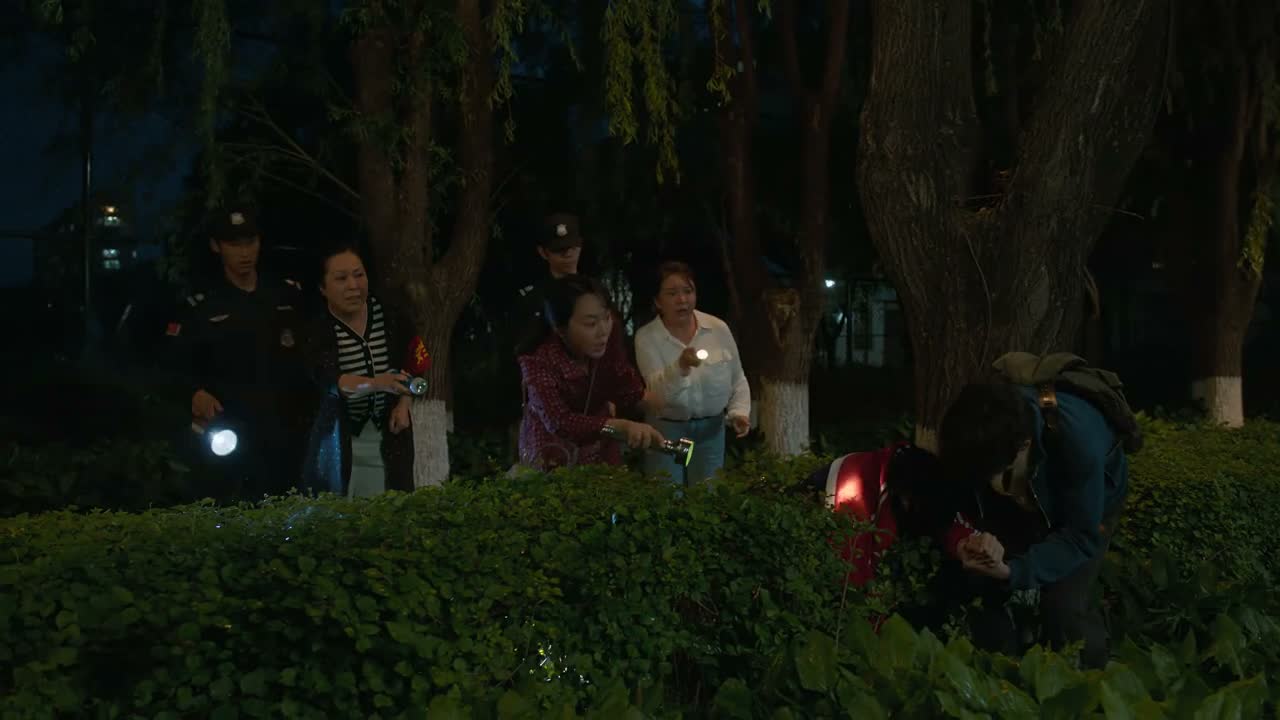
“- Slow down. - It hurts. Ren Xiaoming! What are you doing?”

“I told Ren Xiaoming I'd pay this money back. Why come to my mom?”
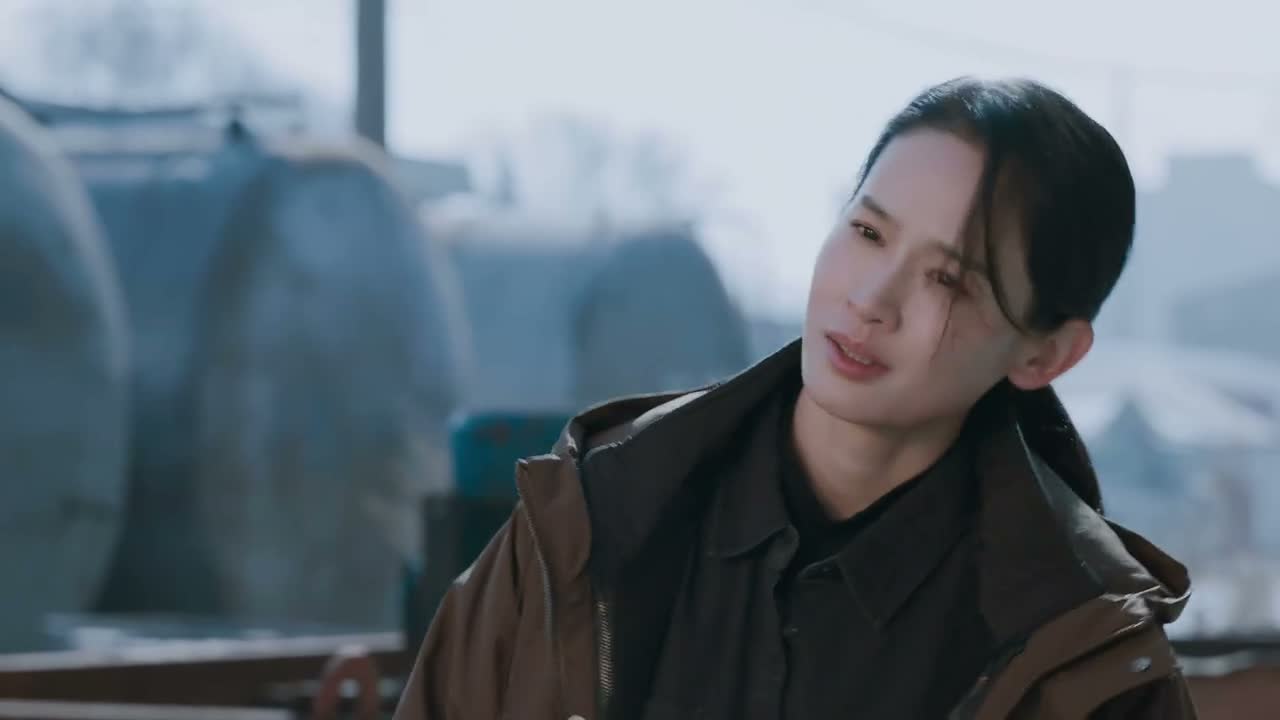
“(Not getting along with Ren Xiaoming?)”