你以前不是最笃信 《苍言录》的吗
“you once believed in the Aphorisms of Cangshen.”
THE DIALOGUE REEL
十七
“Seventeen,”
你 以前 不是 最 笃信 《苍言录》 的吗
“you once believed in the Aphorisms of Cangshen.”
如今怎么 《苍言录》中
“Why now... In the Aphorisms,”
“Why are you going against the very book you used to treat as gospel?”
In traditional schools of thought and martial sects, personal credibility is tied to unwavering adherence to canonical texts.
LEARNING CHUNKS & PARTICLES
weren't you the one who was most...?
A rhetorical framing pattern used to point out a glaring inconsistency between someone's past reputation and present action.
to believe firmly; to be devoted to
A formal, literary verb used to describe steadfast faith in a religion, philosophy, or text.
Forms a rhetorical negative question highlighting an obvious fact that should not be forgotten.
VOCABULARY & EXPRESSIONS
Parallel Spoken Cinema Scenes (语义近邻切片)
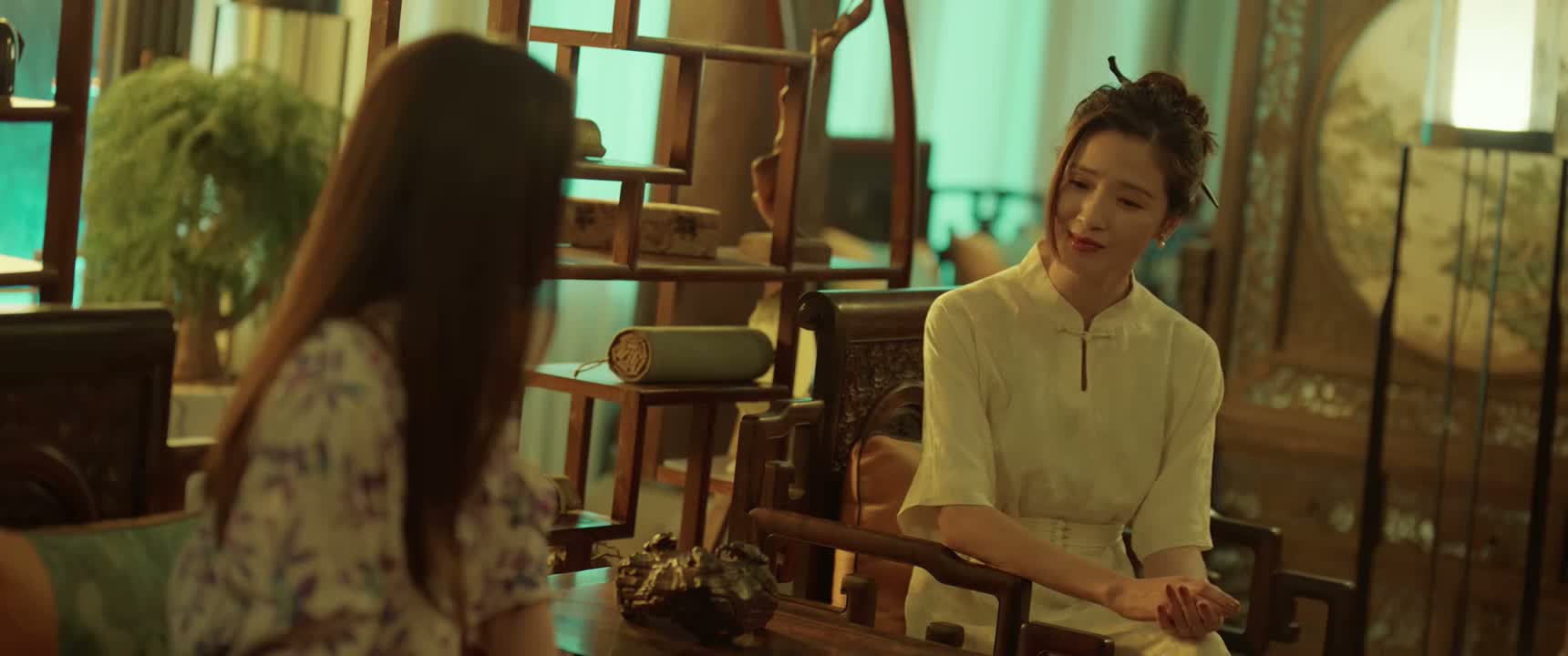
“Back then, you swore that”

“I never should have believed your nonsense.”
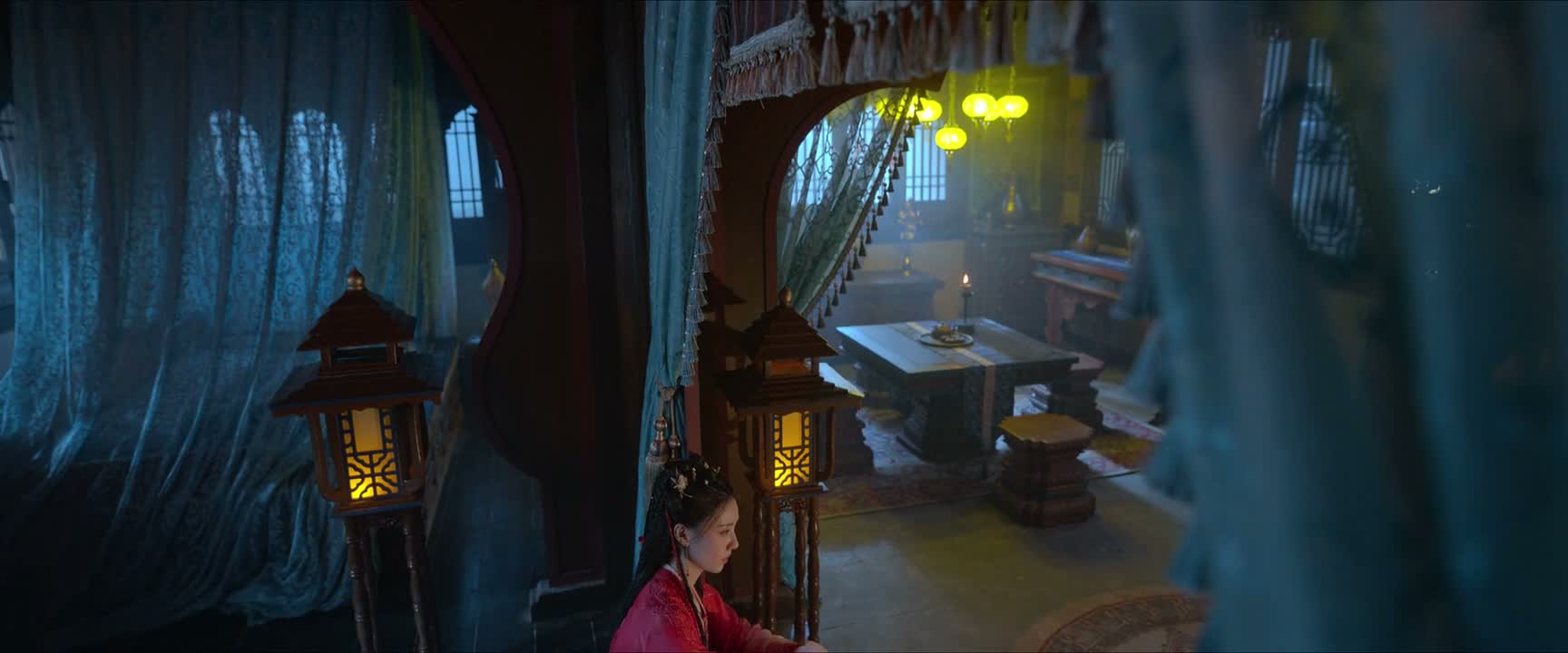
“I was under a Spell of Utterance before— ♪ Paved with countless lost souls ♪”

“I was under a Spell of Utterance before,”

“I used to. But now... I don't anymore.”

“You actually believe him?”