你不是说把所有人都叫上吗
“Didn't you say to call everyone?”
THE DIALOGUE REEL
你干吗把这东西也带过来啊
“Why'd you bring it along too?”
你不是说 把所有人都叫上 吗
“Didn't you say to call everyone?”
我就叫他来了
“So I called it too.”
“Don't blame me; you literally said to bring everybody, so I did!”
Citing the other party's original ambiguous or overly generous words is a classic strategy to deflect personal culpability when social awkwardness ensues.
LEARNING CHUNKS & PARTICLES
to invite everyone along
A colloquial disposal construction used when organizing group outings, gatherings, or parties.
didn't you say that...?
A rhetorical framing used to counter someone's complaint by citing their own previous statement.
Forms a rhetorical question highlighting the contradiction between the listener's past words and current complaint.
VOCABULARY & EXPRESSIONS
Parallel Spoken Cinema Scenes (语义近邻切片)

“will you also tell everyone”
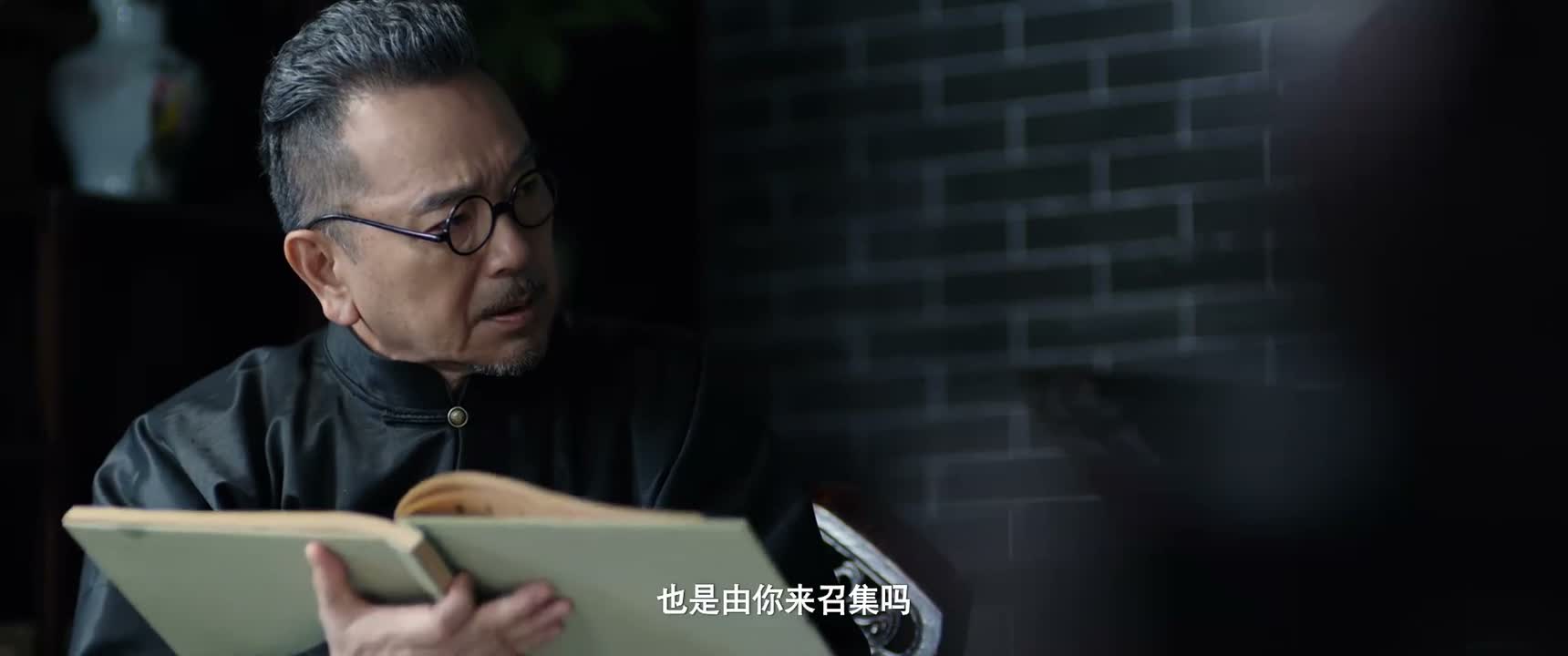
“are you also the one convening it?”

“I only notified a few of you. Who else is coming?”

“All of you pushed me.”

“everyone would come to realize”

“since you asked me here, shouldn't we talk about”