MC
MandarinClips Cinema Corpus
《Unsettled Case》 S1·E6 (16:48) HSK 5
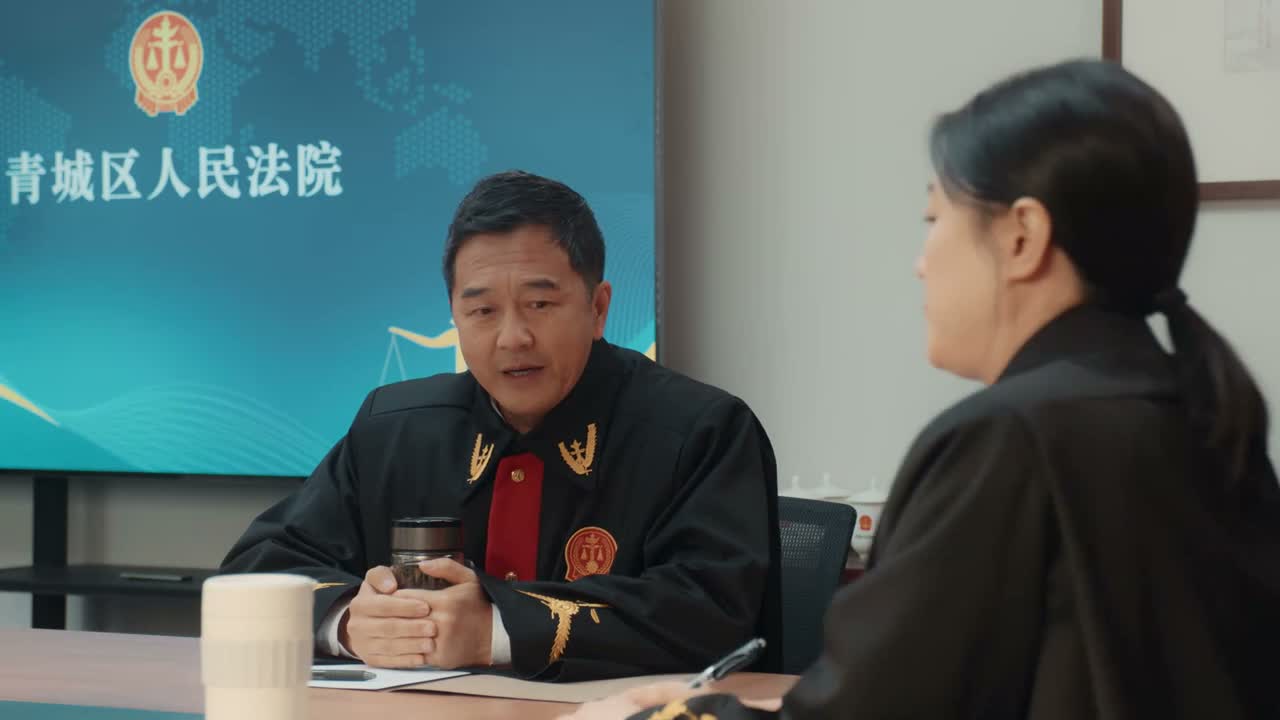
wǒ huì yǐ wéi nǐ men liǎ shì zhàn zài tóng yī biān de

我会以为你们俩是站在同一边的

“I would think you two would be on the same side.”

《Unsettled Case》 S1·E6
TIMECODE: 16:48 · 1080P MASTER AUDIO

THE DIALOGUE REEL

1+1+1 SPOKEN CONTINUITY
[-1] PREVIOUS TURN - zài zhè ge wèn tí shàng wǒ xī wàng nǐ néng bāng wǒ - suǒ yǐ nǐ diào chá de shì shǐ dì fēn ?

- 在这个问题上 我希望你能帮我 - 所以你调查的是史蒂芬?

“- I am hoping you can help me with that. - So it's Stephen you're looking at?”

wǒ huì yǐ wéi nǐ men liǎ shì zhàn zài tóng yī biān de CURRENT FOCUS

我 会 以为 你们俩 是 站在同一边 的

“I would think you two would be on the same side.”

[+1] FOLLOW-UP TURN duì

对

“Aye.”

Subtitles synced to millisecond timecode Browse Show Clips →
Scene: Legal & Police
Function: PROBING ALLEGIANCE
Tone: PROBING
Emotion: SUSPICION
WHAT THEY REALLY MEAN (PRAGMATIC SUBTEXT)
“Why are you going after your own partner? Whose side are you really on?”
💡 Cultural Insight: Factional Loyalty (站队)

In professional and investigative contexts, knowing who aligns with whom is critical; 'standing on the same side' often denotes unspoken alliances and mutual protection.

INTENT TAGS: #probing #questioning #suspicion #allegiance
🧩

LEARNING CHUNKS & PARTICLES

2 CHUNKS · 1 PARTICLES
站在同一边 SPOKEN CHUNK

to stand on the same side; to be allies

A common idiomatic phrase used to describe being in agreement, supporting the same cause, or taking the same stance.

我会以为 SPOKEN CHUNK

I would have thought / I had assumed

Used to introduce a prior assumption that has now been challenged by new information.

Modal Particle「的」 (de) CHANGE OF STATE

Placed at the end of the clause to add an assertive, confirming tone to the speaker's assessment.

🏮

VOCABULARY & EXPRESSIONS

2 EXPR · 8 GRAMMAR
CROSS-CINEMA CORPUS BOARD · PARALLEL SCENES

Parallel Spoken Cinema Scenes (语义近邻切片)

EXPLORE BY SEMANTIC SIMILARITY
《Unsettled Case》 S1·E6 (16:48) · Authentic Cinema Dialogue Corpus