你们俩
nǐ men liǎCommon spoken expression used by native Chinese speakers in daily life.
[Scene: 家庭日常]
(11 clips) 00:02
 00:02
 00:02
 00:02
 00:02
 00:02
 00:03
 00:02
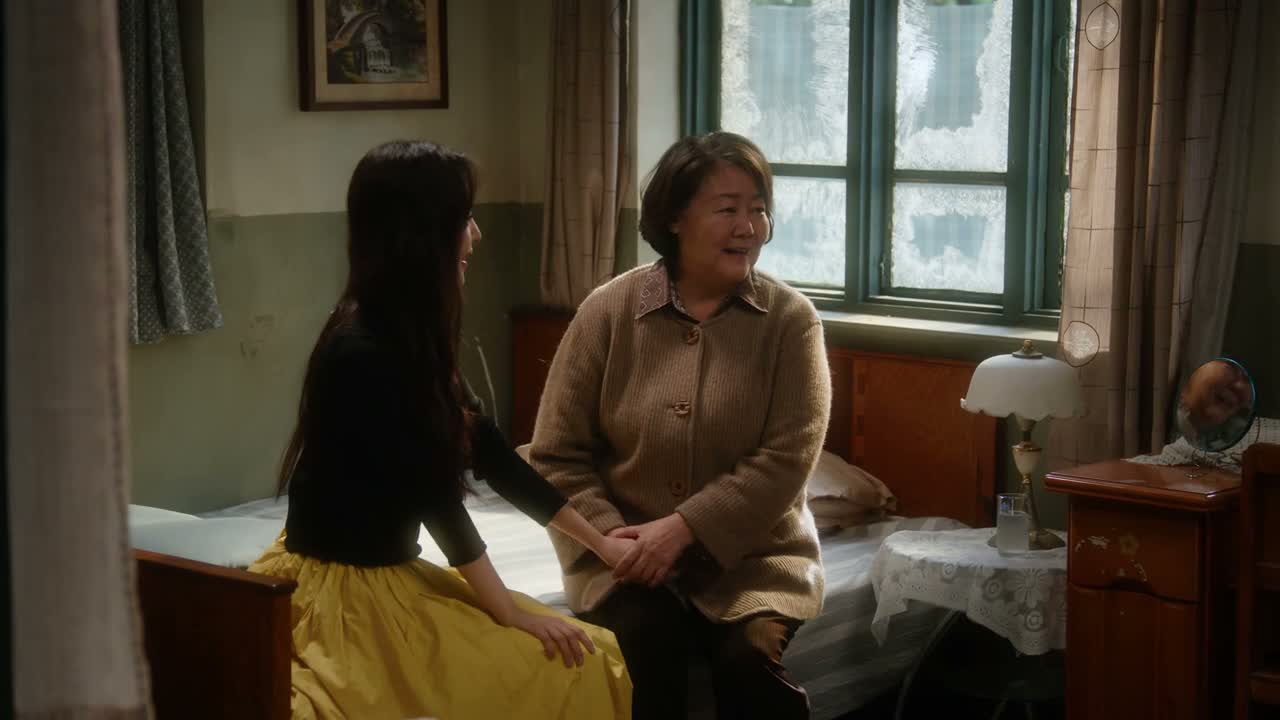 00:02
 00:02
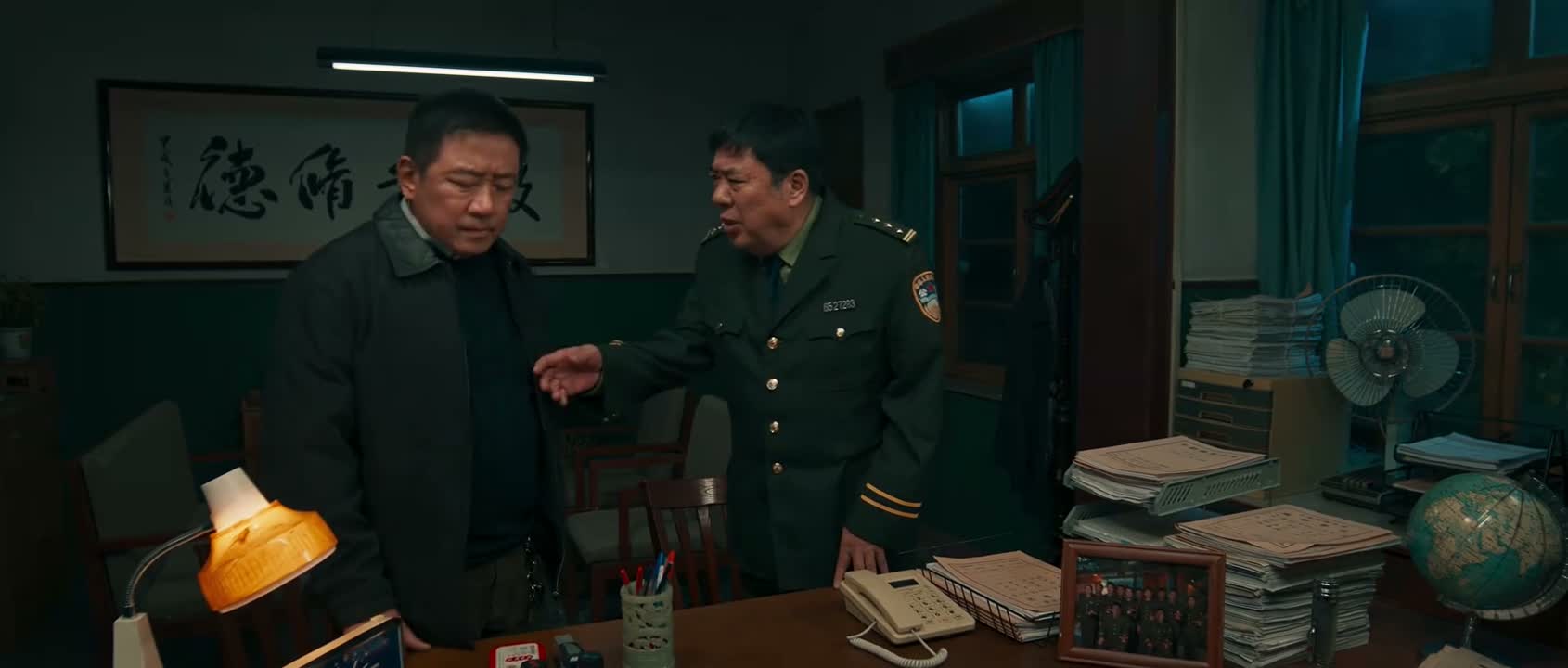 00:02
[Scene: 其他场景]
(9 clips) 00:02
 00:02
 00:02
 00:02
 00:02
(自杀) ── Previous context
“Miss Zhou, I'm really sorry for causing you both so much trouble.”
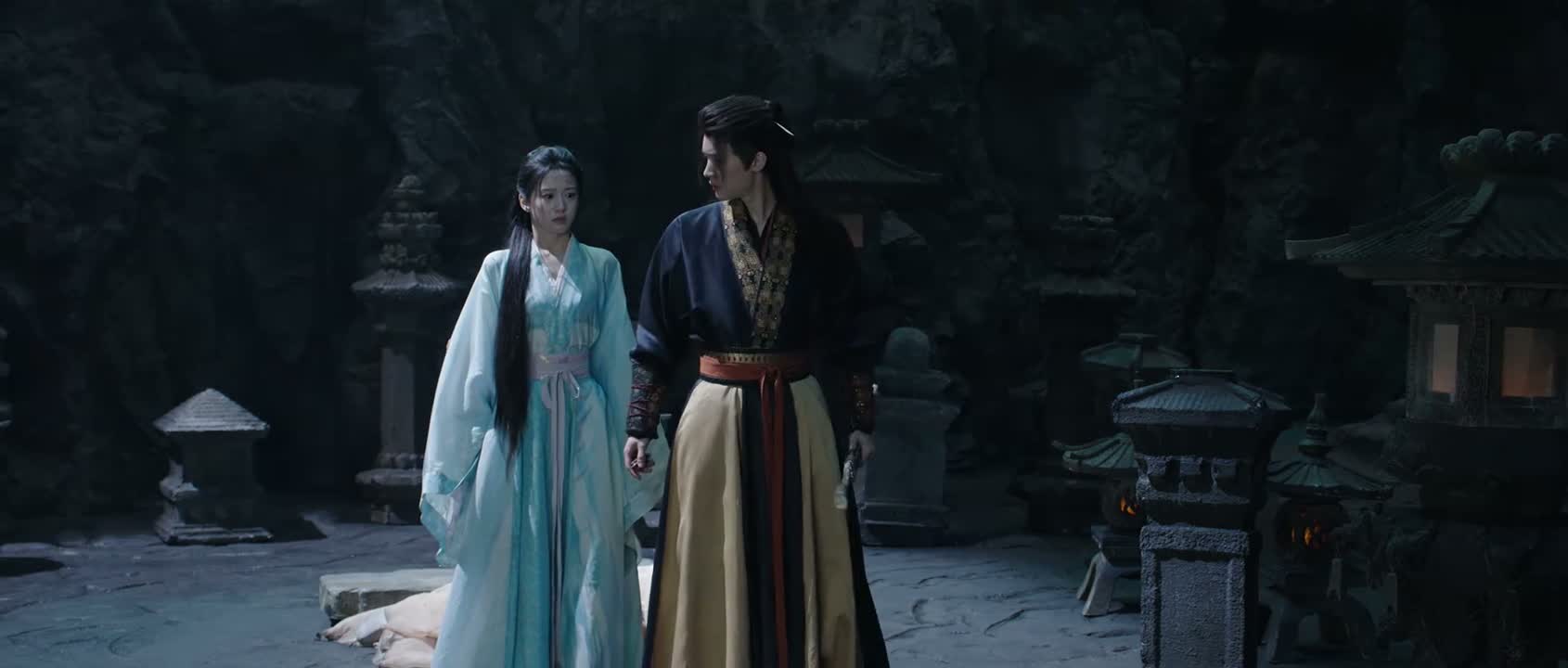 00:03
 00:03
(我哪天没叫她喝酒) ── Previous context
“What are you two doing? Stop it! What are you doing?”
 00:02
 00:02
[Scene: 社交聚会]
(8 clips) 00:02
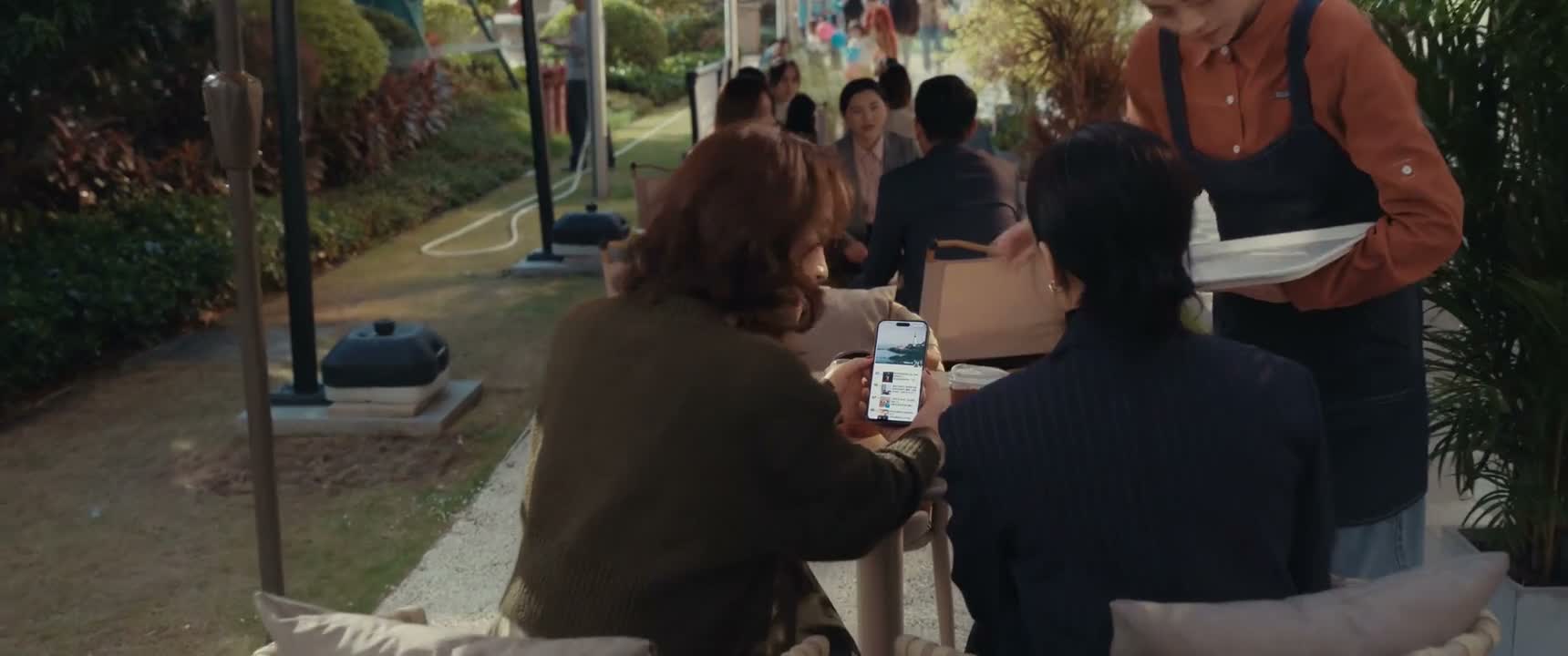 00:02
 00:02
 00:03
(还让我改剧本 不是个人 也不是个东西) ── Previous context
“Alright, you two be careful. Lin Wan. You can hold your liquor,”
 00:02
 00:02
 00:02
 00:02
(你明明就是喜欢慕清晏) ── Previous context
“You two were close back when you were in Qingque Sect.”
[Scene: 其他场景]
(4 clips) 00:02
 00:03
(好好说啊 你冷静一点 都一家人 吵什么嘛) ── Previous context
“All because of you! After the old man got inside,”
 00:02
 00:02
[Scene: 警匪刑侦]
(3 clips) 00:03
(简良方面就不要再惊动了 我来跟进) ── Previous context
“You two come back when you're done. Stay safe."”
 00:02
(- 在这个问题上 我希望你能帮我 - 所以你调查的是史蒂芬?) ── Previous context
“I would think you two would be on the same side.”
 00:02
[Scene: 餐饮美食]
(2 clips) 00:03
(我帮您拿着) ── Previous context
“Just you two drank? No, Bai Shu and Zhang Fang were there too.”
 00:02
[Scene: 其他场景]
(2 clips) 00:02
 00:03
[Scene: 商务沟通]
(1 clips) 00:03
(我跟你说 他现在就在家呢 你呢一会见到他) ── Previous context
“When you meet him later, have a proper talk. Once it is settled, he can sign the contract immediately.”
📌 来来来
→Nuance: 同向近义词根配对: [我们 ↔ 咱们]
📌 好了好了
→Nuance: 催促对方休息,意图完全一致
📌 快走吧
→Nuance: 催促对方休息,意图完全一致
📌 快走
→Nuance: 催促对方休息,意图完全一致
📌 添麻烦
→Nuance: 同向近义词根配对: [麻烦 ↔ 添麻烦]
📌 不容易
→Nuance: 客体感叹交往长久表达更深
📌 到底怎么了
→Nuance: 核心交际意图完全一致,可直接互换
📌 有点晚
→Nuance: 共享核心口语谓词: [不好意思]
📌 不好意思
→Nuance: 共享核心口语谓词: [不好意思]