你打断腿有什么用呢
“What good will breaking his legs do?”
THE DIALOGUE REEL
定要打断那小子的腿
“I'll break that boy's legs.”
你 打断腿 有什么用呢
“What good will breaking his legs do?”
难不成你让昭昭
“Do you want Zhao”
“Calm down, lashing out violently won't fix the situation at all.”
Elders often use extreme, hyperbolic expressions of physical violence to display fierce protective anger, which requires other family members to talk them down pragmatically.
LEARNING CHUNKS & PARTICLES
what is the point; what good is it
A frequent rhetorical pattern used to point out that a proposed action is futile or counterproductive.
break someone's legs
Commonly used hyperbolically in Chinese parental threats or venting anger against disobedient youngsters.
Softens the rhetorical question while inviting the listener to reconsider their irrational stance.
VOCABULARY & EXPRESSIONS
Parallel Spoken Cinema Scenes (语义近邻切片)
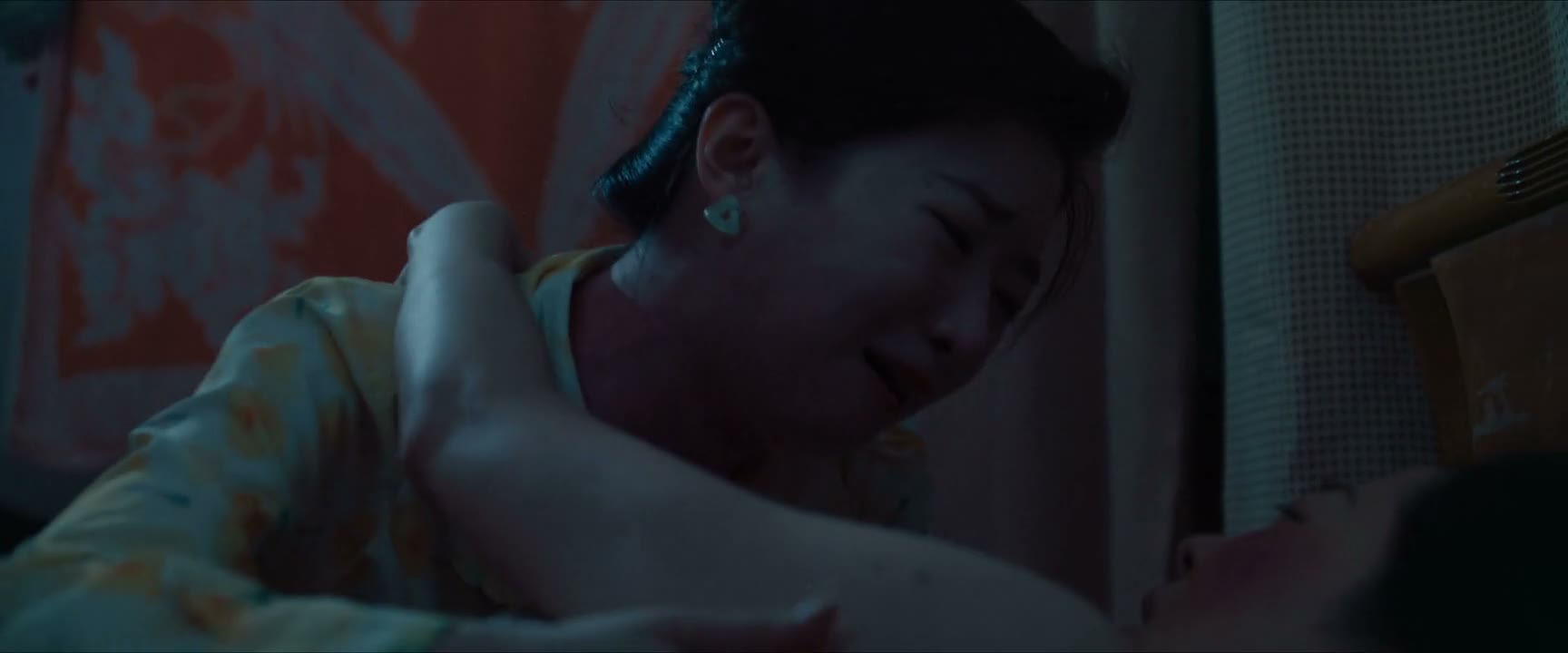
“break your legs right now!”

“They broke his leg like it was nothing.”

“See if I don't break your legs today.”

“I will break your legs.”

“blood is still thicker than water.”
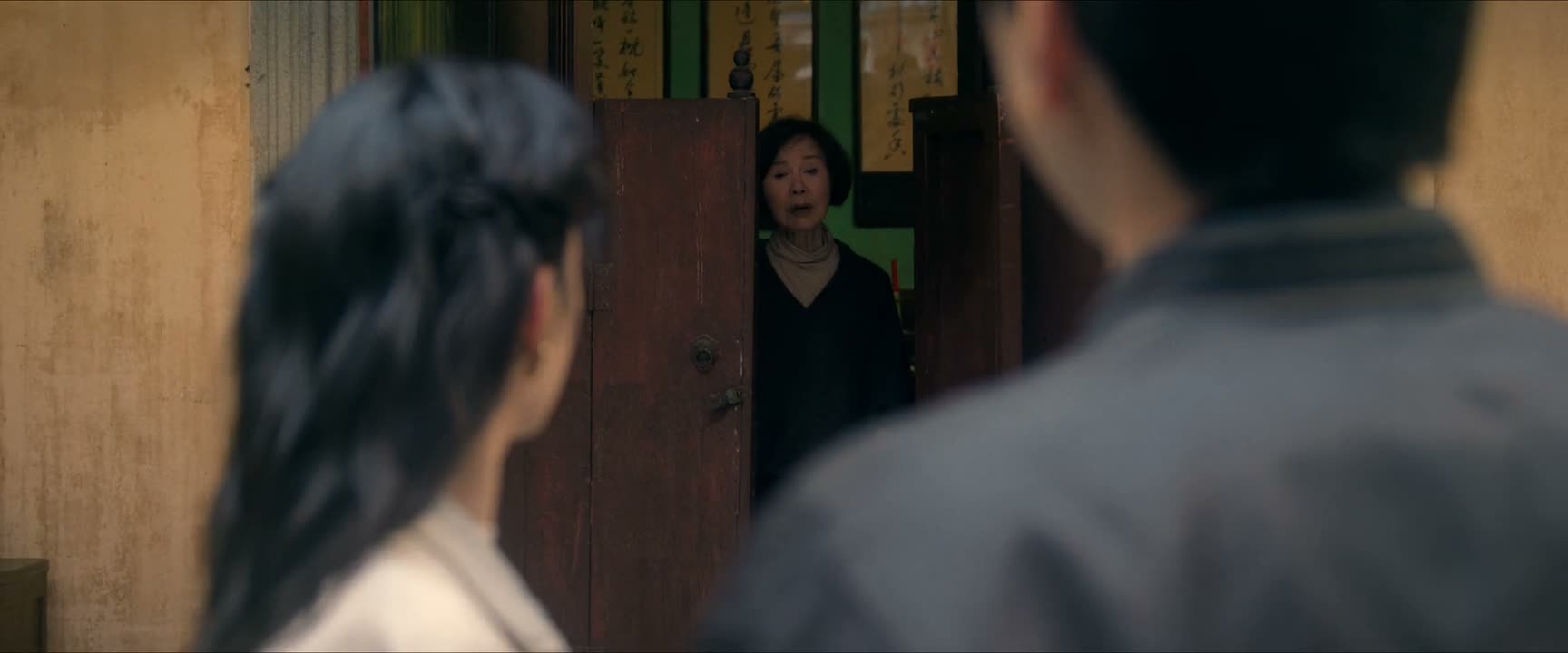
“but they shouldn't hold each other back at least.”