心中无愧的人 要么极善 要么极恶 要么极傻
“Those with no guilt are either very kind, or really evil, or extremely foolish.”
THE DIALOGUE REEL
我当然没愧了
“Of course, I have no guilt.”
心中无愧 的人 要么 极善 要么 极恶 要么 极傻
“Those with no guilt are either very kind, or really evil, or extremely foolish.”
你是哪种
“Which type are you?”
“You are certainly not a saint, so that just makes you either wicked or utterly stupid.”
Traditional Chinese philosophy assumes true moral self-reflection invariably reveals flaws; claiming total guiltlessness is seen as either divine saintliness or shameless arrogance.
LEARNING CHUNKS & PARTICLES
having a clear conscience
A common formal idiom used when asserting moral innocence or blamelessness.
either... or...
Use this repetitive structure to lay out mutually exclusive alternatives.
VOCABULARY & EXPRESSIONS
Parallel Spoken Cinema Scenes (语义近邻切片)

“I have a clear conscience. Of course I dare.”
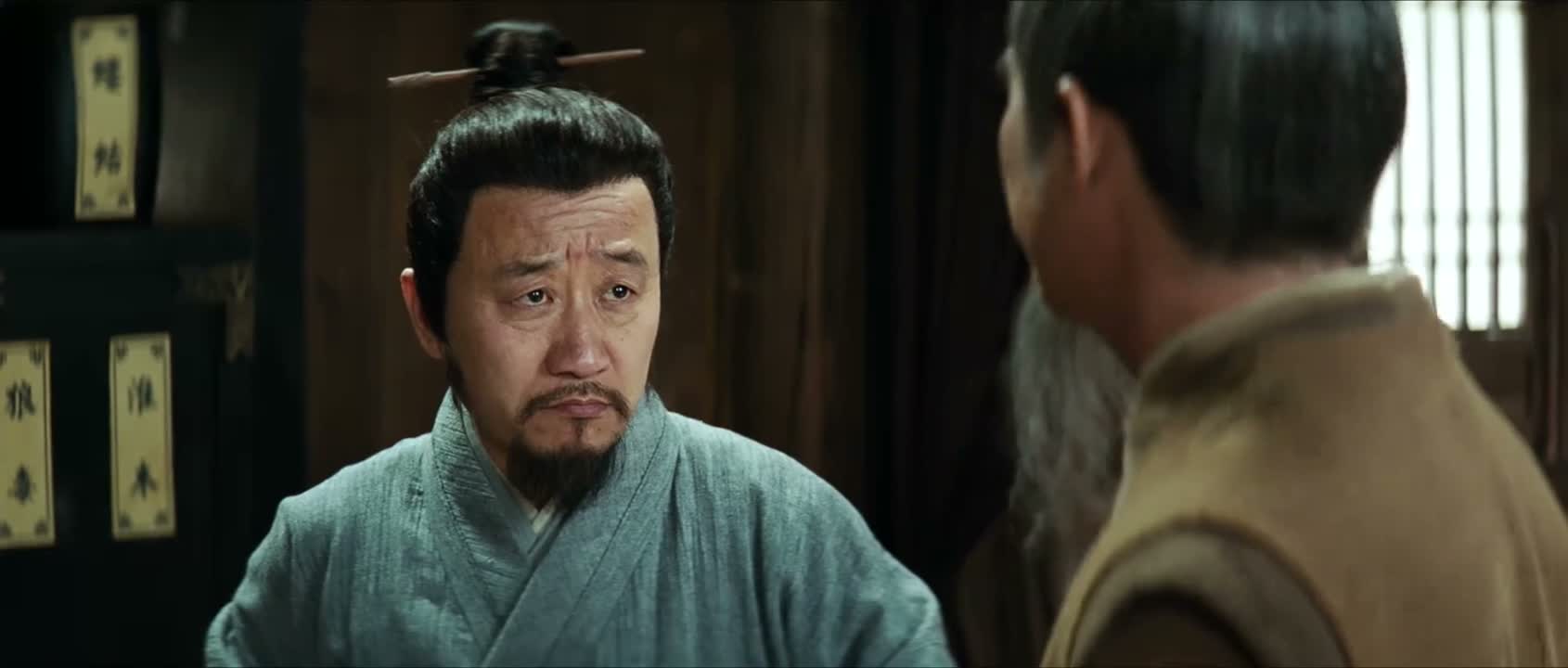
“but my conscience is clear.”

“As expected of Simu. One free of desire stands unshaken.”
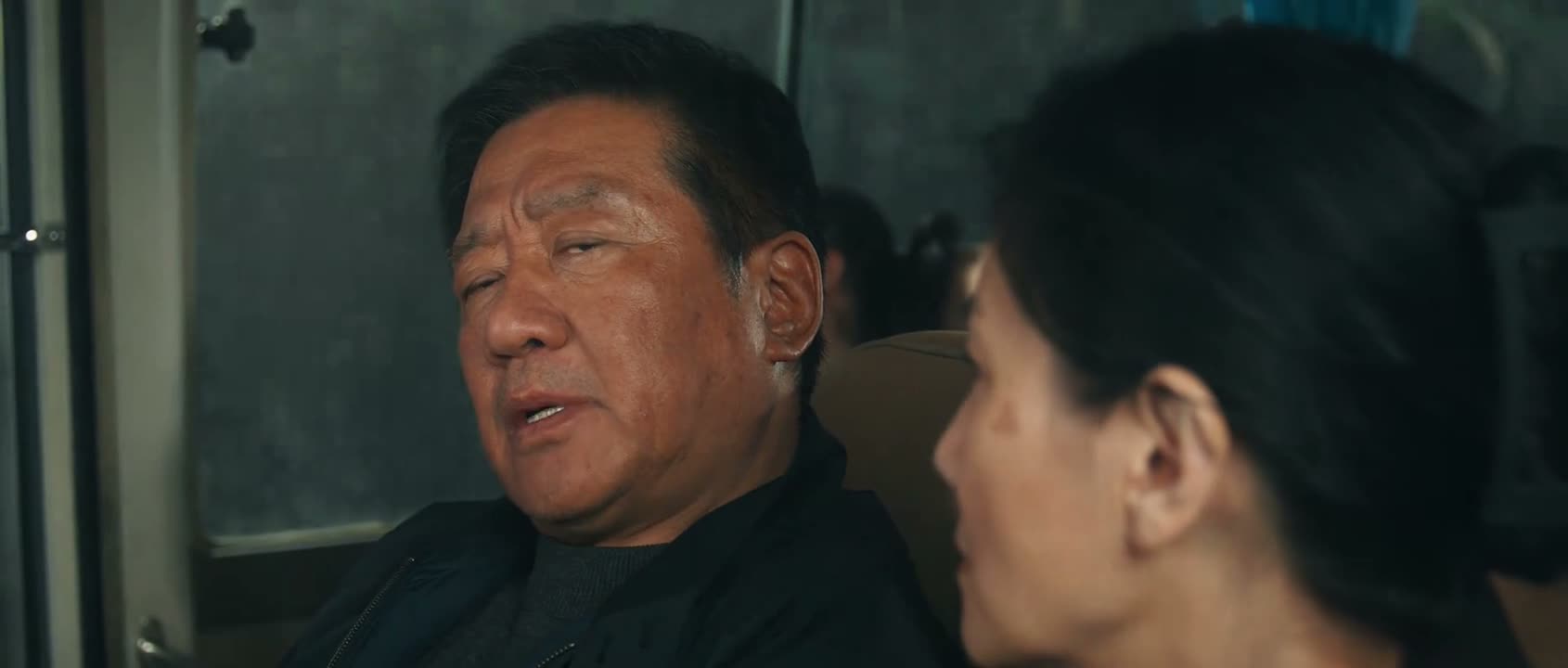
“As long as your conscience is clear,”

“what if he really has nothing to be ashamed of?”

“your conscience is clear?”

“Our conscience is clear. What is there to fear?”

“If you have a clear conscience,”

“As far as you and I are concerned, I can say I have a clear conscience.”
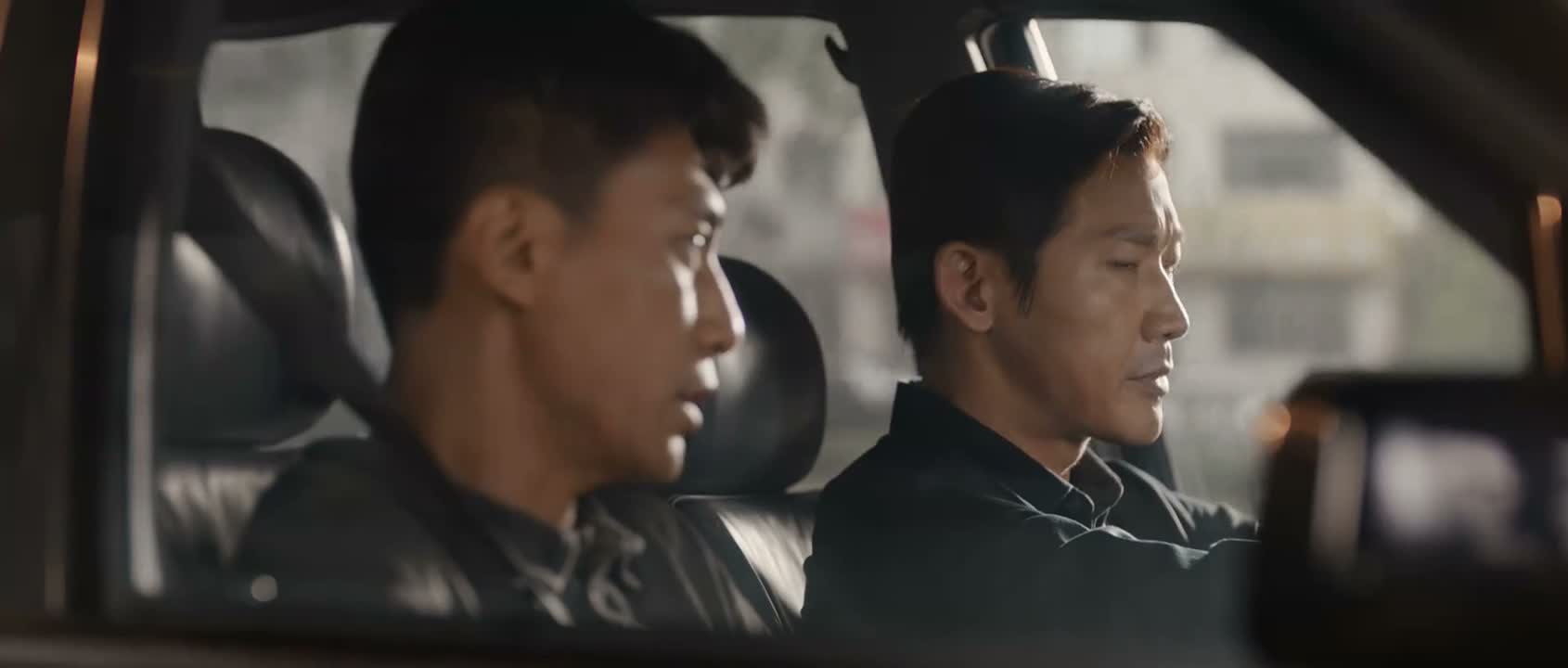
“But do you have a clear conscience?”