我们问心无愧 何惧哉?
“Our conscience is clear. What is there to fear?”
THE DIALOGUE REEL
非不信也 敬而远之 就算有鬼 那就一定有仙
“not because they deny their existence, but to keep a respectful distance." If there are ghosts, then there must be immortals too.”
我们 问心无愧 何惧哉 ?
“Our conscience is clear. What is there to fear?”
谁?
“Who goes there?”
“We have done nothing wrong, so we cannot let fear get the best of us.”
Rooted in Confucian and folk beliefs, having an upright character and clear conscience (问心无愧) is traditionally believed to ward off malevolent spirits.
LEARNING CHUNKS & PARTICLES
to have a clear conscience; to feel no qualms
A high-frequency idiom used when asserting that one's actions are morally blameless.
what is there to fear?
A classical rhetorical expression used in dramatic or elevated speech to proclaim fearlessness.
A classical final modal particle used to convey an exclamatory or rhetorical question tone.
VOCABULARY & EXPRESSIONS
Parallel Spoken Cinema Scenes (语义近邻切片)

“I have a clear conscience.”

“with no shame when looking up or down.”

“I have a clear conscience. Of course I dare.”
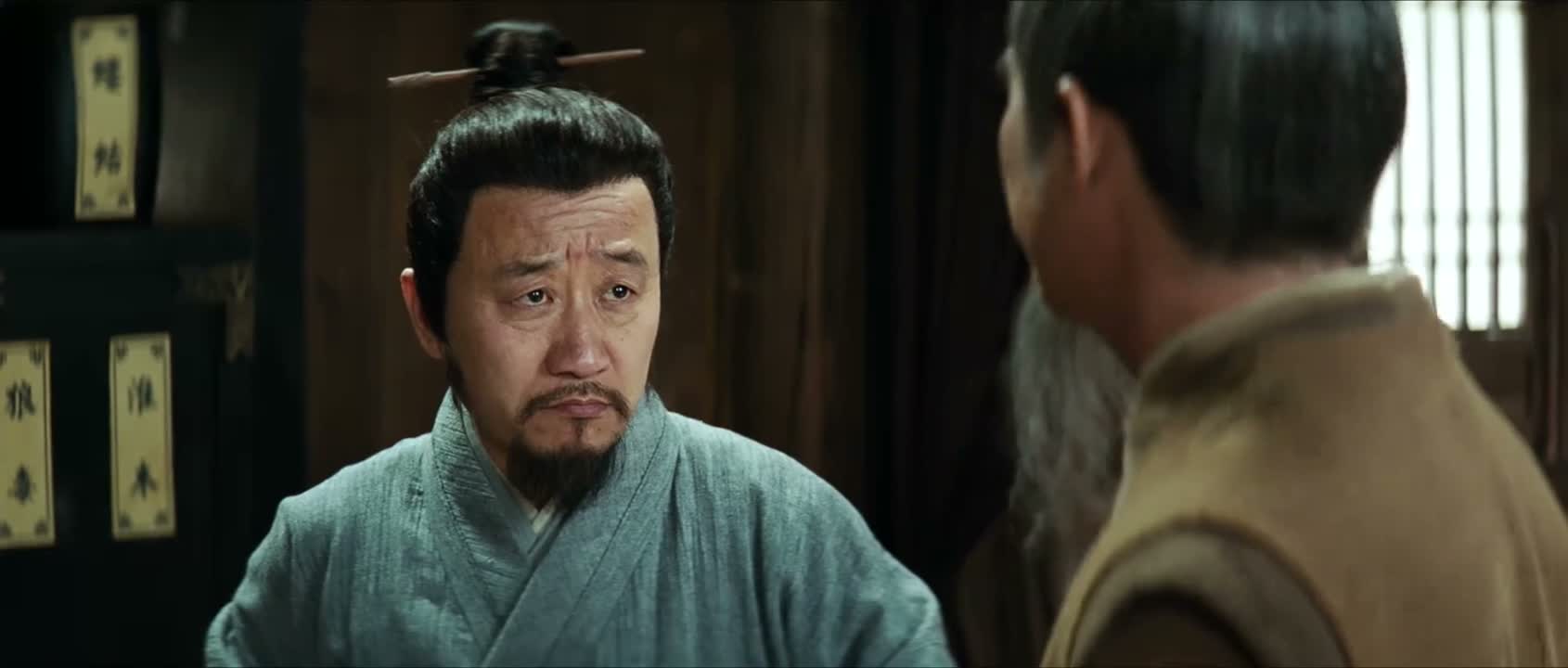
“but my conscience is clear.”

“As expected of Simu. One free of desire stands unshaken.”
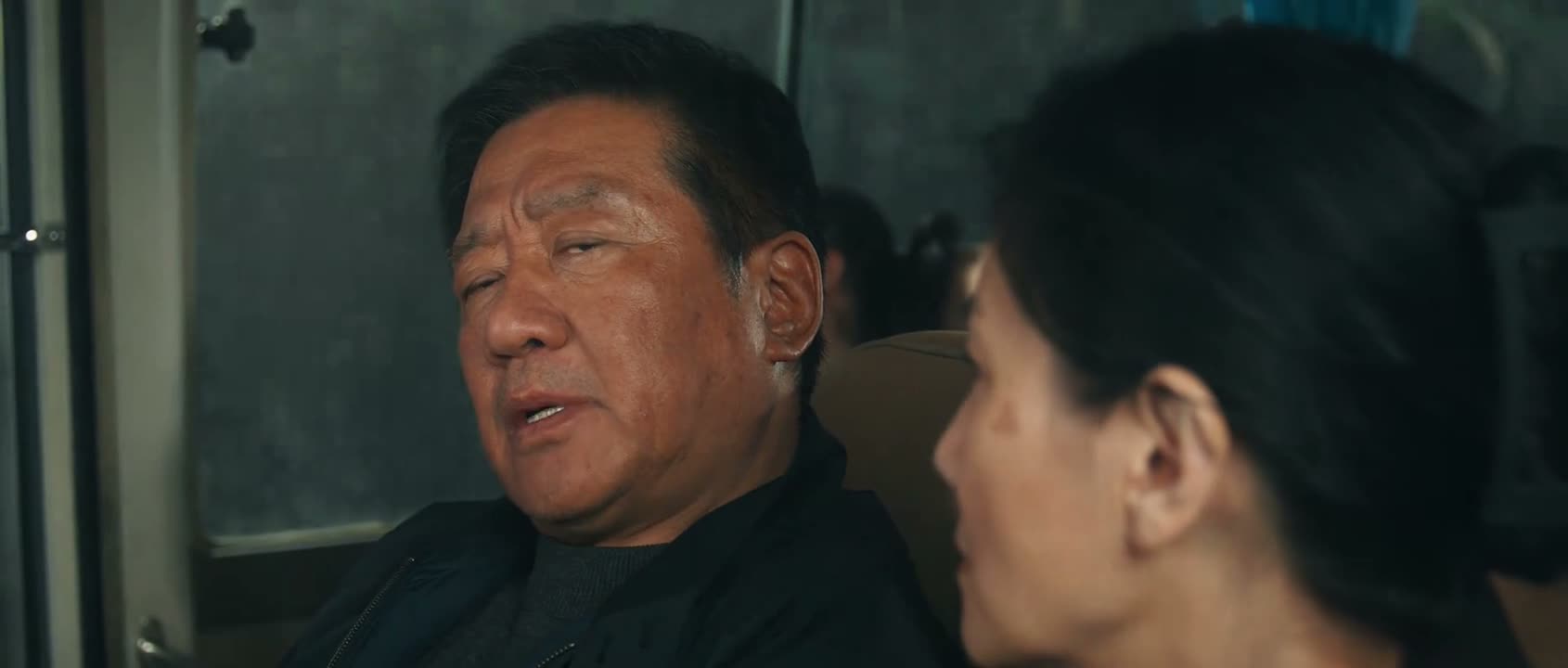
“As long as your conscience is clear,”

“what if he really has nothing to be ashamed of?”

“your conscience is clear?”

“Those with no guilt are either very kind, or really evil, or extremely foolish.”

“If you have a clear conscience,”

“As far as you and I are concerned, I can say I have a clear conscience.”

“What else is there to fear?”

“I have never tried to hurt you.”

“I have done my best. I can say I have no regret.”
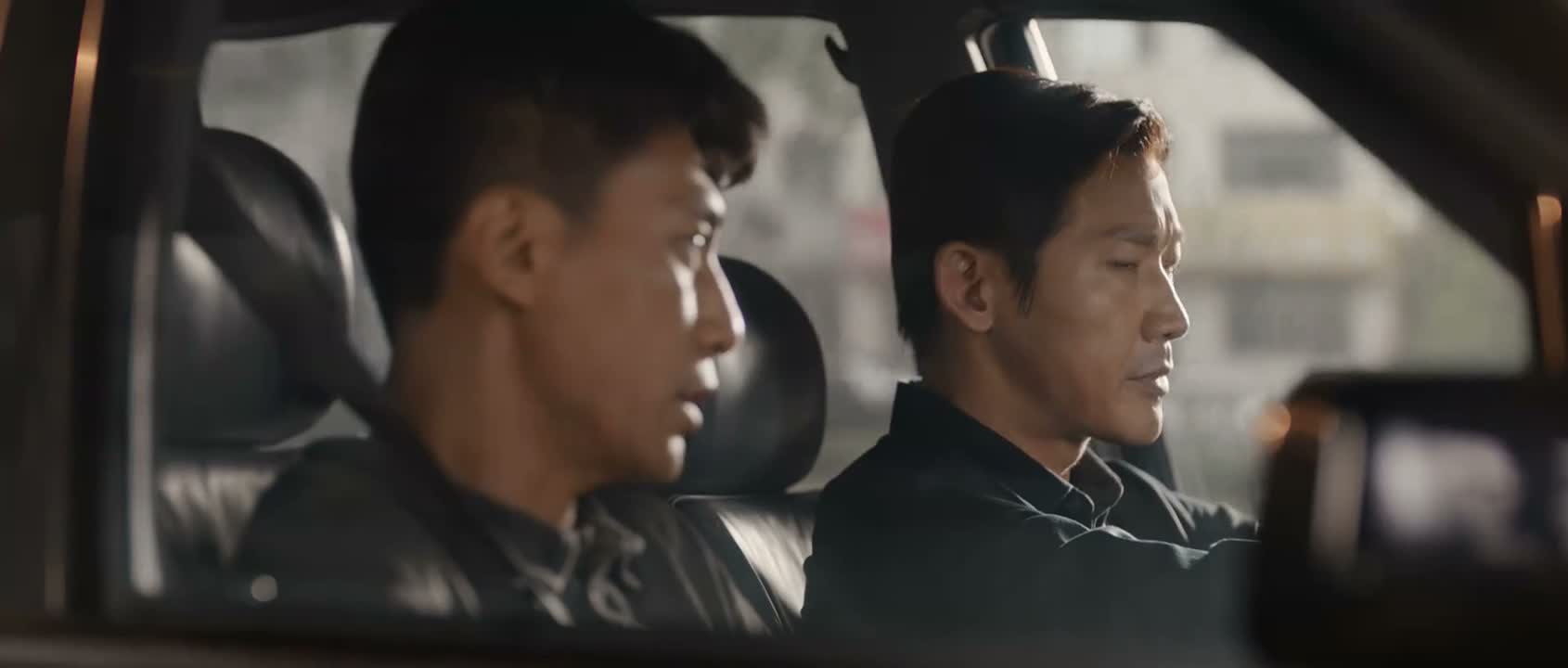
“But do you have a clear conscience?”