你下午出现 就已经一脸喝醉 没醒的样子哦
“You showed up this afternoon already looking half gone.”
THE DIALOGUE REEL
我没有喝醉 我刚刚就喝了两杯
“I'm not drunk. I only had two drinks.”
你下 午出现 就已经 一脸 喝醉 没醒 的样子 哦
“You showed up this afternoon already looking half gone.”
“- Dad, I really need to head back. - Cut the crap!”
“Stop lying to me. Anyone with eyes could see you were wasted hours ago.”
Chinese parents often speak with blunt, unhedged language when reprimanding children, prioritizing moral correction over politeness.
LEARNING CHUNKS & PARTICLES
a face full of / looking completely like...
Colloquial descriptive prefix used to indicate an obvious emotion, condition, or physical state on someone's face.
to get drunk / intoxicated
The standard resultative complement compound meaning 'to drink to the point of being drunk'.
not sobered up yet / still unconscious/groggy
In the context of alcohol, '醒' refers to sobering up from drunkenness.
Conveys a sharp, lecturing reminder to emphasize the undeniable truth of the accusation.
VOCABULARY & EXPRESSIONS
Parallel Spoken Cinema Scenes (语义近邻切片)

“So when you are drunk, you are like this?”

“She drank too much. She's in bed now.”

“that he drank too much last night and was still drunk this morning, so he caused trouble in the practice room.”
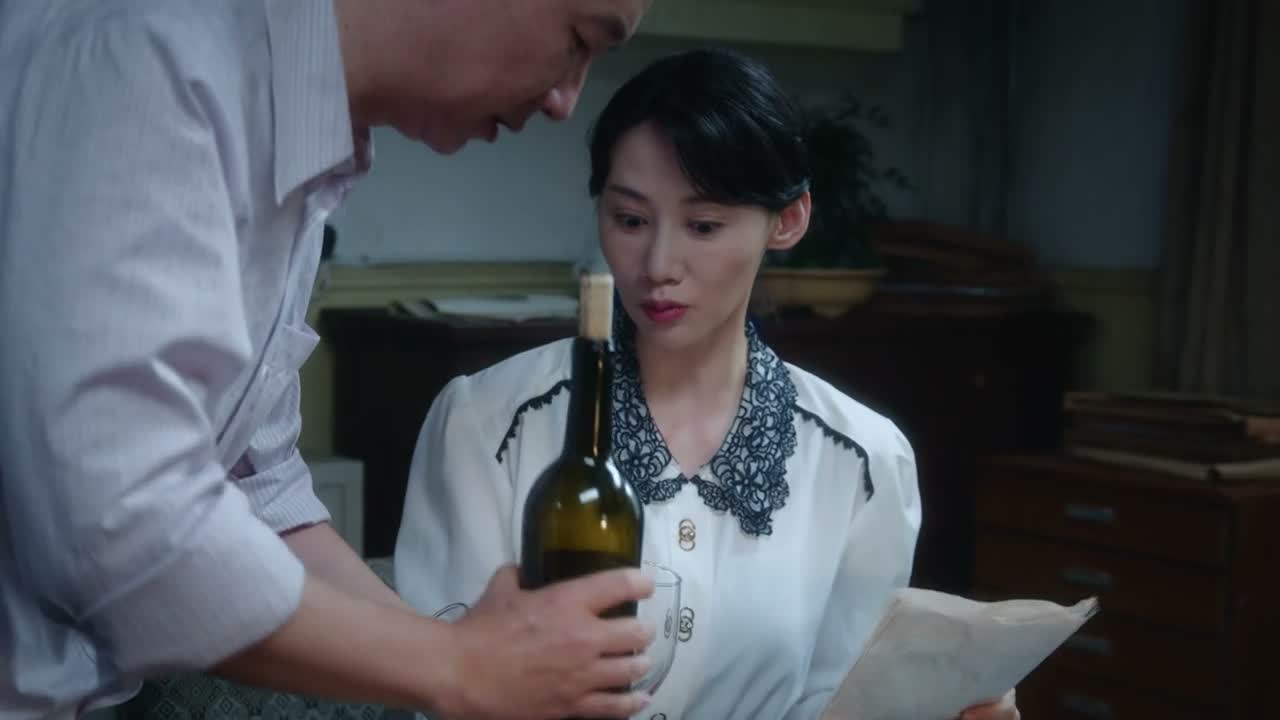
“-Did he even write it himself? -Drinking at noon?”

“You're beautiful even when drunk.”

“Do you know how drunk you got last night?”