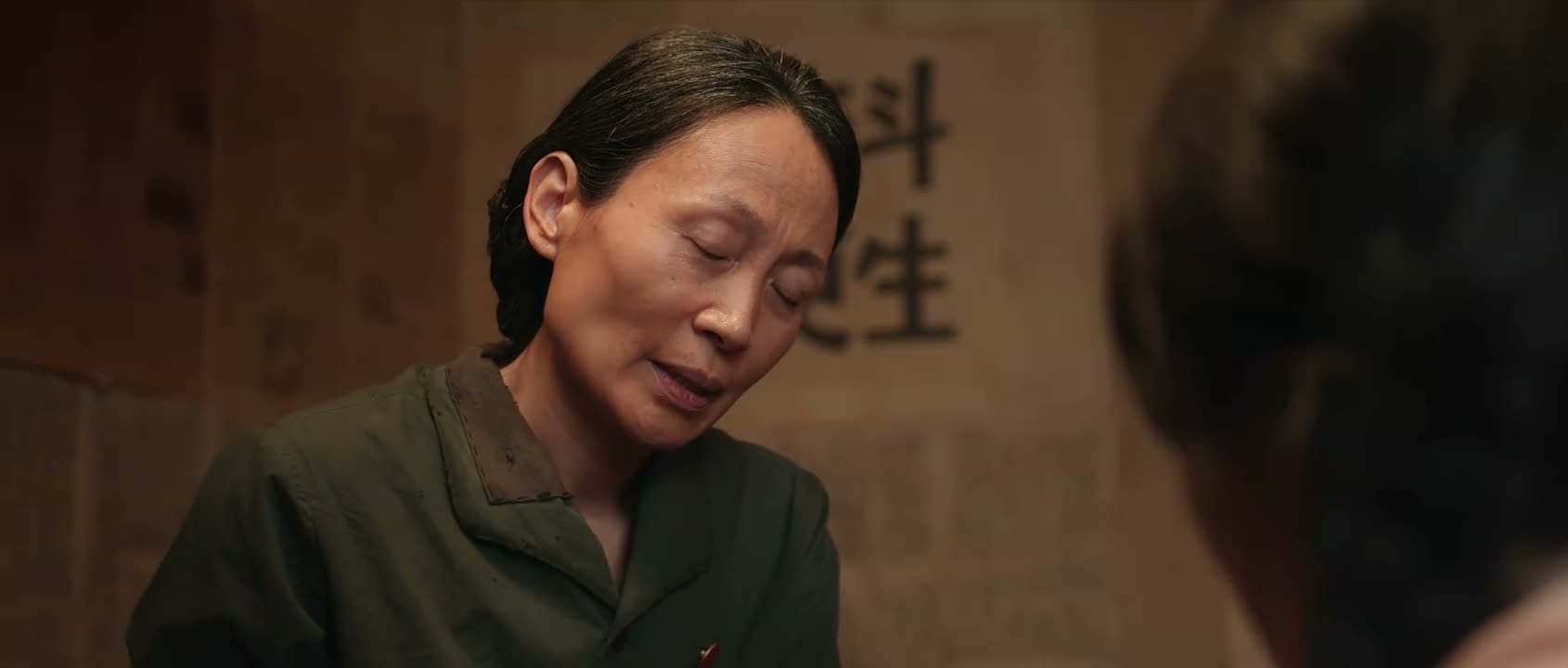
那谁还稀得上大学啊 是不是
“when they could get married to me? Don't you agree?”
THE DIALOGUE REEL
“Mom, just think about it. Why would anyone enroll in college”
那谁 还 稀得 上大学 啊 是不是
“when they could get married to me? Don't you agree?”
刚打我都打累了吧
“You must be exhausted from all the beating just now.”
“Marrying him solves all my life problems, so college is completely pointless.”
In transitional Chinese eras, marrying into a well-connected or wealthy family was often perceived as a quicker route to security than the grueling path of higher education.
LEARNING CHUNKS & PARTICLES
to care about or value (usually in rhetorical or negative contexts)
Colloquial northern expression indicating disdain or a lack of interest in something normally sought after.
isn't that right?
Used as a conversational tag question at the end of a sentence to seek agreement.
Softens the rhetorical question and adds a persuasive, pleading tone.
VOCABULARY & EXPRESSIONS
Parallel Spoken Cinema Scenes (语义近邻切片)

“Getting into college isn't as hard as it used to be.”

“We're about to go to college,”

“Fei Ni, so what if you enroll in college?”

“Why do you have to cling to me even for college?”

“Is this what a college student should do?”
“then maybe it's not worth going at all.”