赶紧把好消息告诉她 别等坏了 快快快
“Let's hurry up and tell her the good news, so she doesn't wait too long. Hurry.”
THE DIALOGUE REEL
咱们快走吧 香兰还在门口等着咱们呢 对对对
“Come on, we'd better go. Xianglan is still waiting for us at the door. Right.”
赶紧 把 好消息 告诉 她 别等坏了 快快快
“Let's hurry up and tell her the good news, so she doesn't wait too long. Hurry.”
Direct spoken expression in this communicative setting.
Chinese speakers often append '坏了' to verbs or emotions (e.g., 乐坏了, 吓坏了, 等坏了) to colorfully emphasize that an intense state is pushing someone to their limit.
LEARNING CHUNKS & PARTICLES
hurry up; quickly
A very common spoken adverb used to prompt immediate action.
exhausted or sick from waiting too long
Follows the 'verb + 坏了' pattern to indicate that the negative effect of an action has reached an extreme degree.
good news
Standard collocation used across both casual and formal contexts.
VOCABULARY & EXPRESSIONS
Parallel Spoken Cinema Scenes (语义近邻切片)
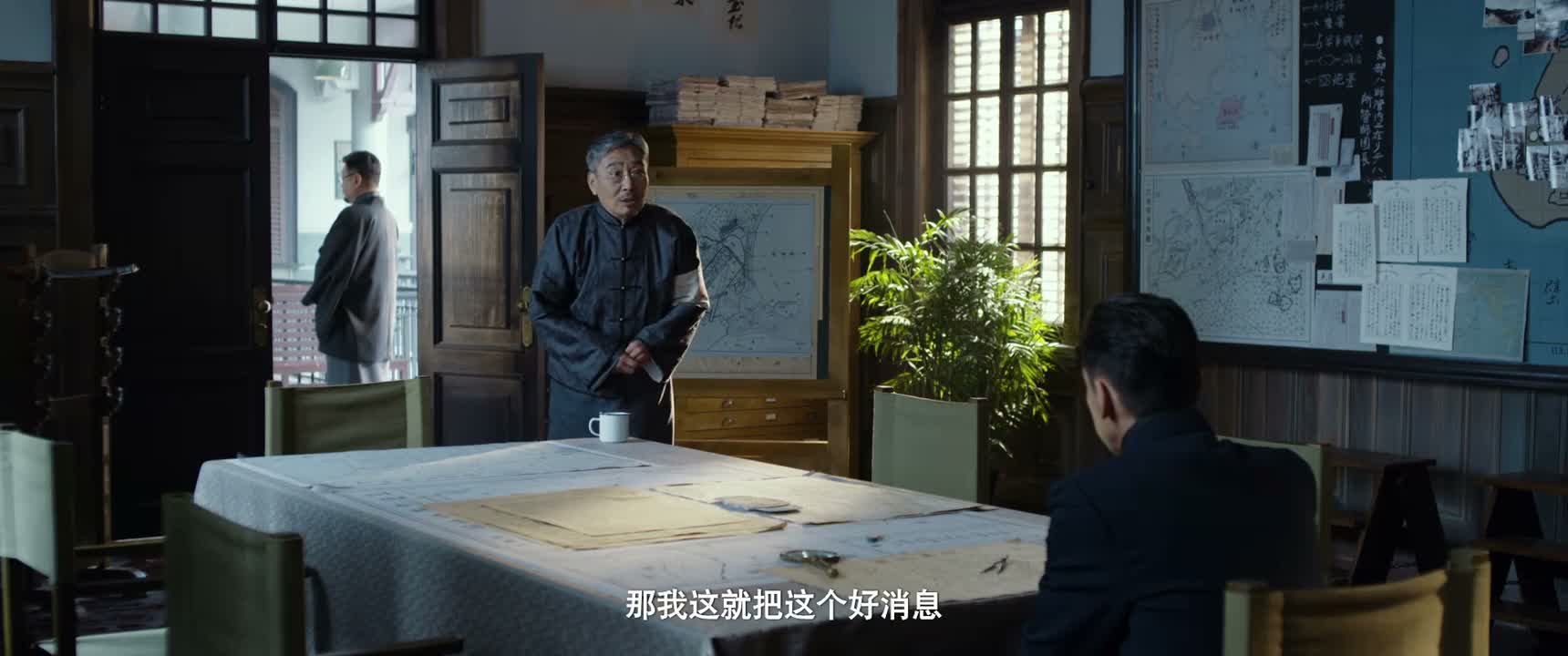
“I'll go take this good news”

“I'll keep you updated. Okay.”

“I have a piece of good news for you.”

“you hurried to tell Wu Liang.”

“I brought you some good news today. What is it?”

“I have some good news to share as well.”