咱有理啊也变没理了
“even if we're in the right, we'd be in the wrong.”
THE DIALOGUE REEL
你要真把人打了
“If you hit him,”
咱 有理啊也变没理了
“even if we're in the right, we'd be in the wrong.”
“I didn't intend to get physical with him.”
“Calm down—if you hit him, you become the bad guy no matter what he did.”
Chinese interpersonal philosophy places supreme importance on '理' (reason/justice); whoever strikes first loses public sympathy and ethical leverage, turning 'youli' into 'meili'.
LEARNING CHUNKS & PARTICLES
in the right; justified; to have reason on one's side
Commonly contrasted with '没理' in moral or legal discussions.
to become in the wrong; to lose justification
Used when an improper action ruins a previously righteous stance.
Adds a pause after the conditional topic to solicit attention and soften the warning.
Indicates the emergence of an undesirable new state or outcome.
VOCABULARY & EXPRESSIONS
Parallel Spoken Cinema Scenes (语义近邻切片)

“Not one bit has changed. Come on. How is that?”

“I haven't changed. I'll keep my word.”
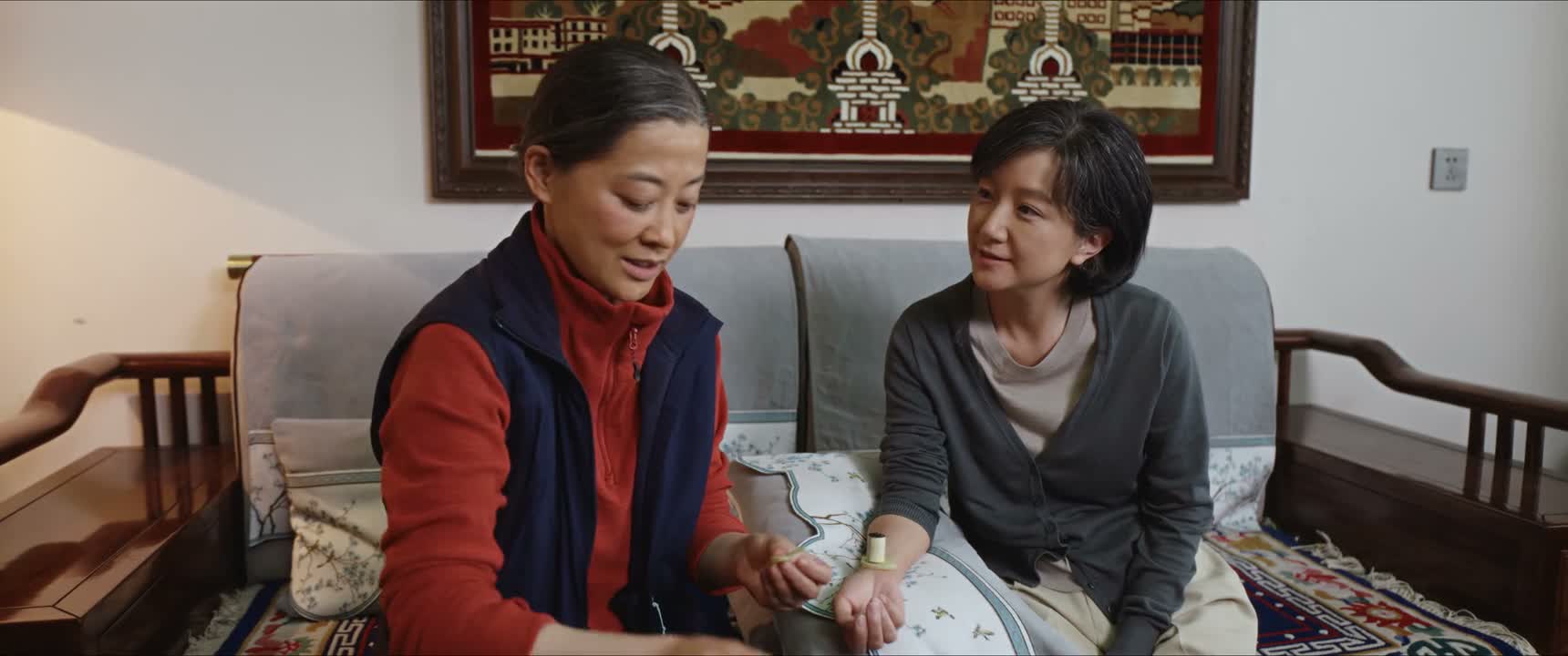
“That makes sense.”
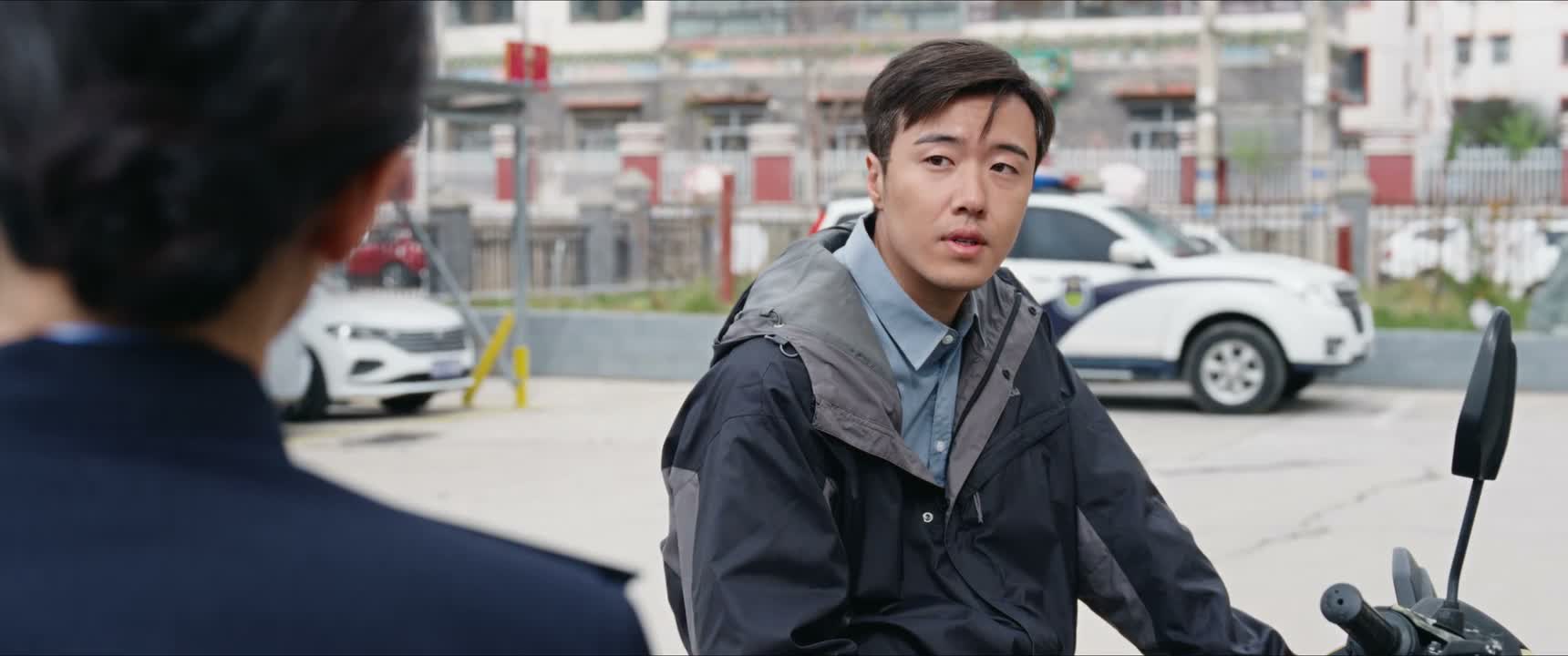
“You really haven't changed a bit.”
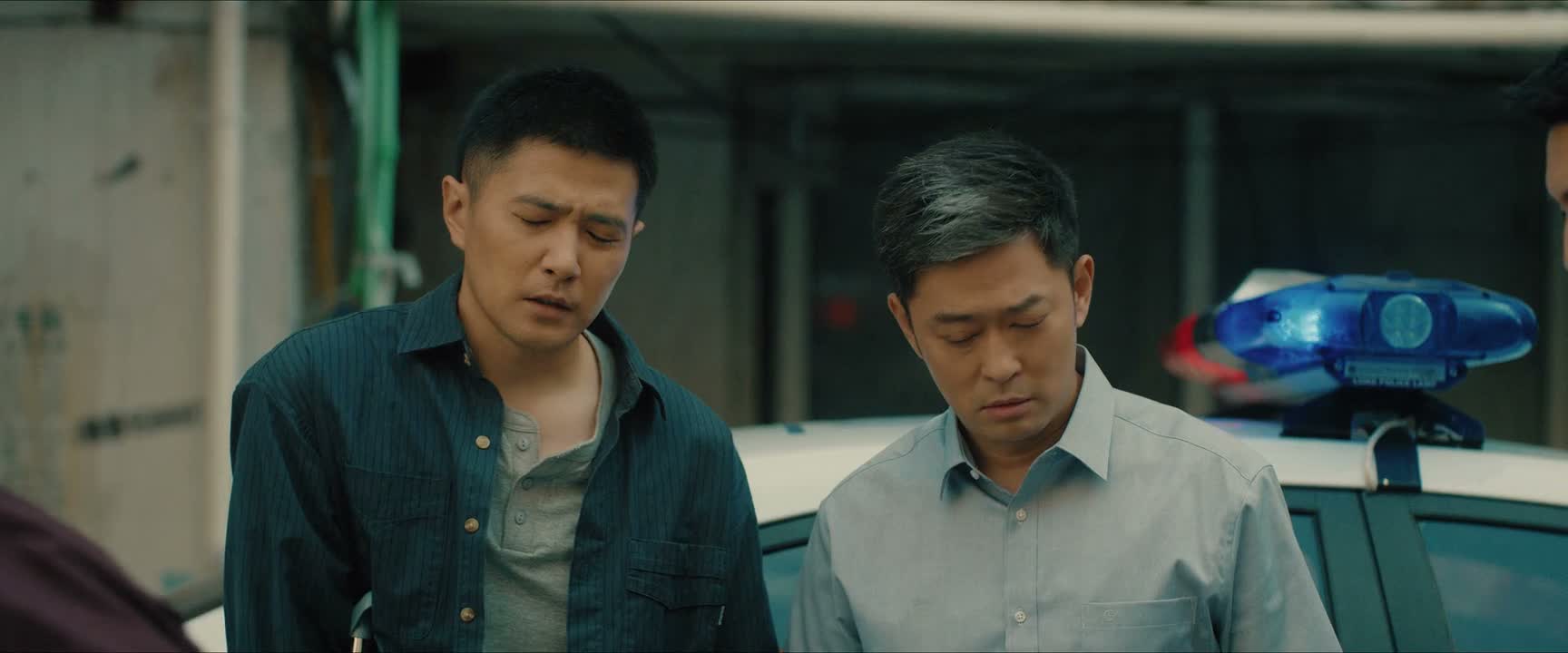
“It makes no sense.”
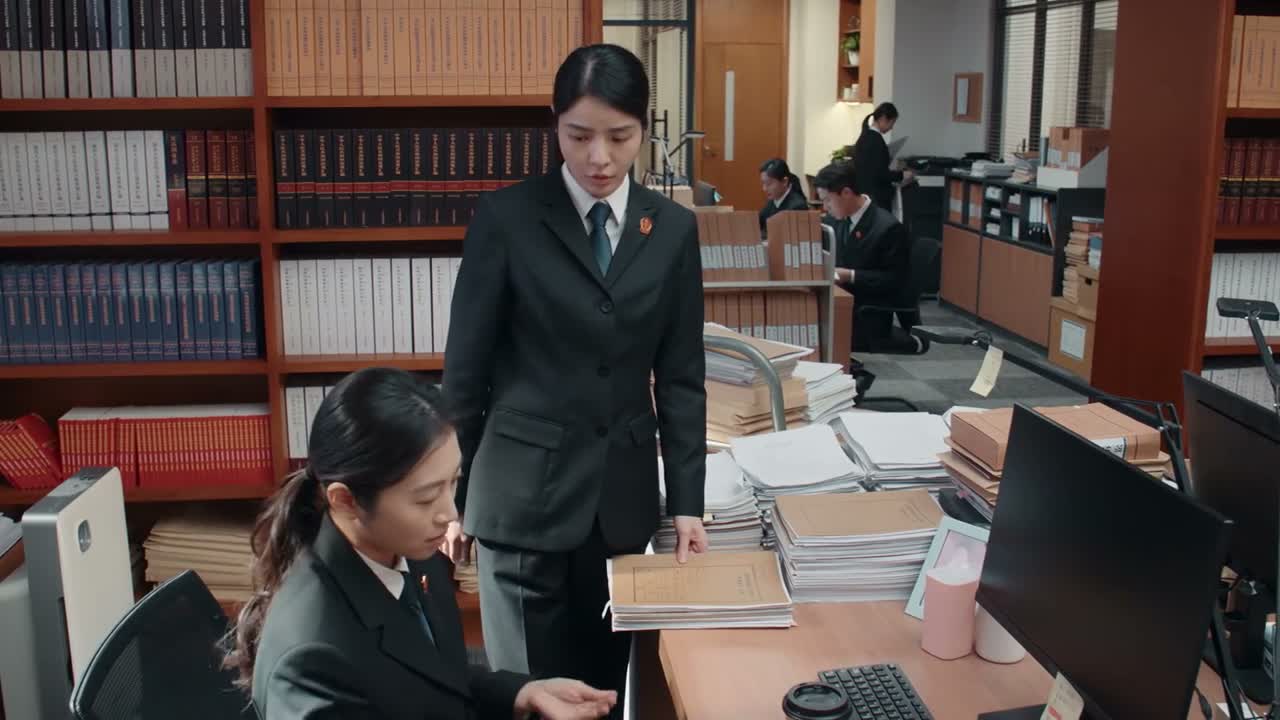
“I thought you'd changed your mind.”