你要是觉得我活得不像一个人样 你自己争点气
“If you think I live like a loser, don't learn from me.”
THE DIALOGUE REEL
你看不起你妈
“You look down on me.”
你要是 觉得 我活得 不像一个人样 你自己 争点气
“If you think I live like a loser, don't learn from me.”
“Stay away from He Yuqiong. If you don't,”
“You have no right to look down on me until you prove you can do better.”
Chinese parents heavily emphasize 'zhengqi', expecting children to prove their worth, bring honor to the family, and transcend their family's hardships.
LEARNING CHUNKS & PARTICLES
decent human appearance/manner; respectability
Often used negatively (像个人样 / 不像个人样) to evaluate whether someone has dignity, respectability, or success.
to stand up for oneself; to bring honor; to make good
High-frequency cultural term used especially by parents urging children to succeed and avoid bringing shame.
VOCABULARY & EXPRESSIONS
Parallel Spoken Cinema Scenes (语义近邻切片)

“Can't I live my life alone? I have my own ways”

“You're an independent person. You're a human being in your own right.”
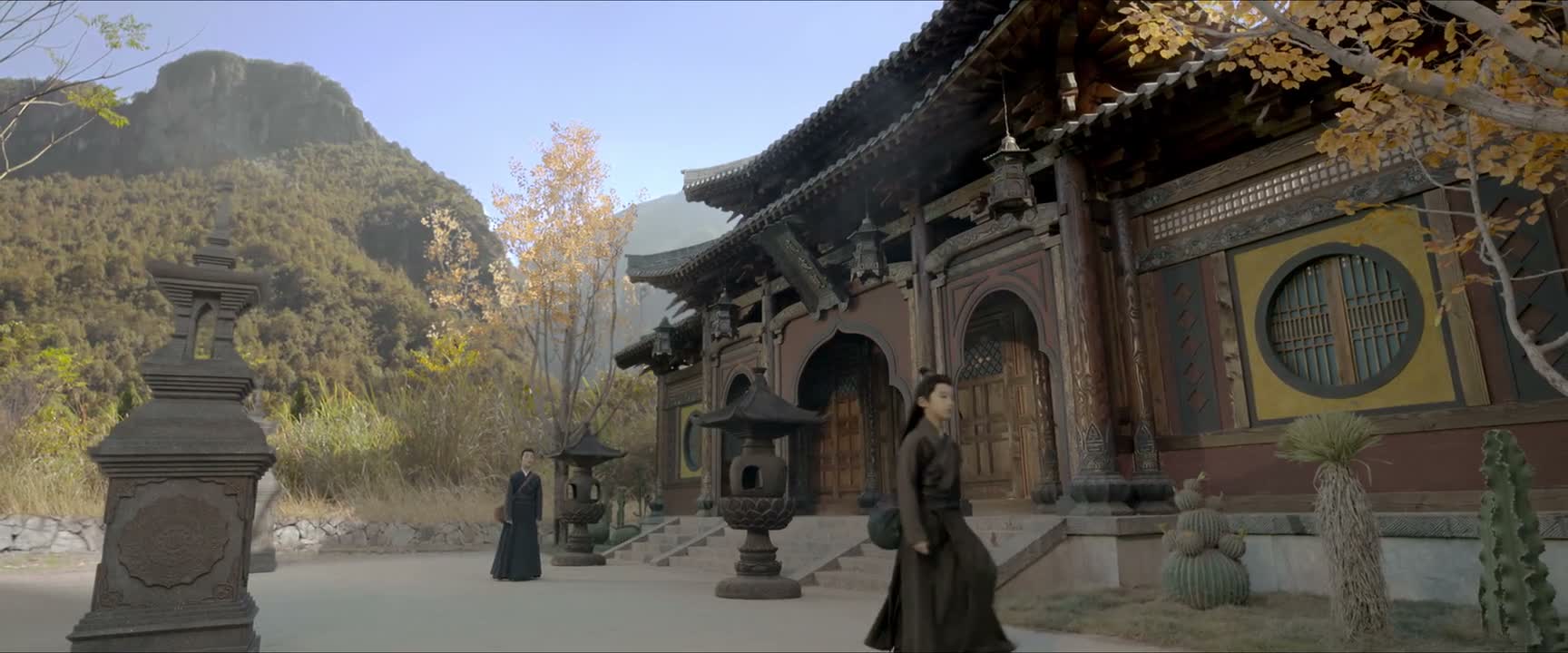
“I will definitely live a decent life!”
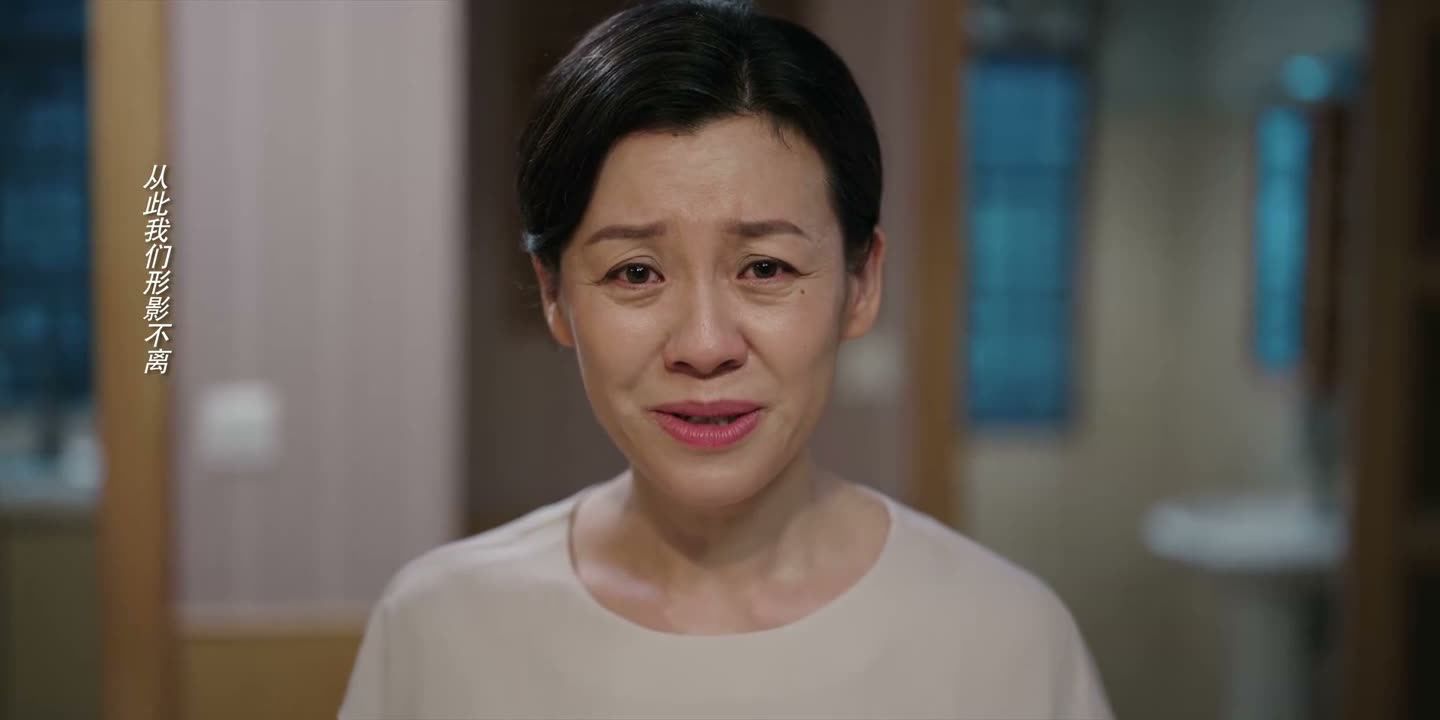
“How can I live without you?”

“Putting everything on you,”

“living alone must be hard for you.”