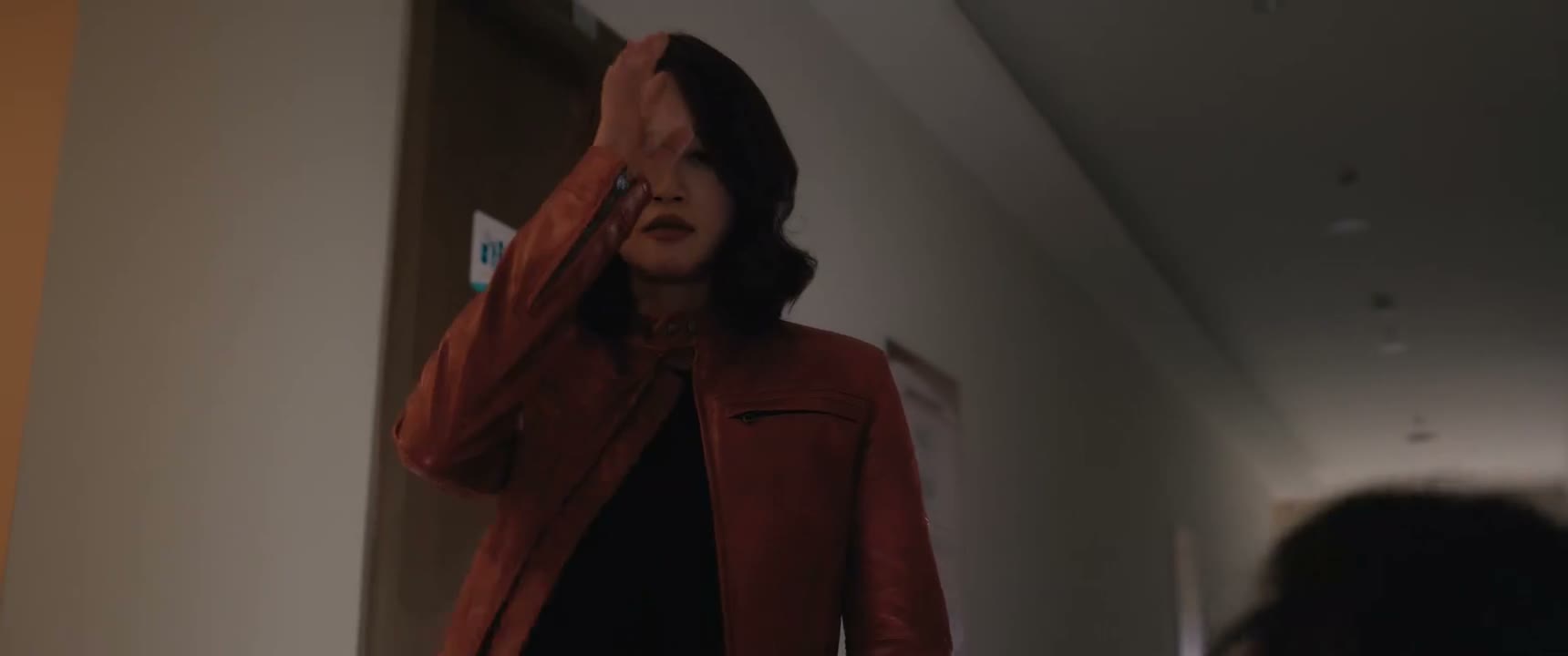
我这都是为你好 你这个人怎么不知好歹
“I did this for your own good. How can you be so ungrateful?”
THE DIALOGUE REEL
你有病吧你
“Are you crazy?”
我这都是 为你好 你 这个人 怎么不 知 好歹
“I did this for your own good. How can you be so ungrateful?”
“You have no right to be mad at me when my intentions were purely to help you.”
Claiming that invasive actions are 'for your own good' is a classic interpersonal tactic in Chinese relationships to silence dissent and deflect blame.
LEARNING CHUNKS & PARTICLES
for your own good
Often used to justify unsolicited advice, interference, or boundary overstepping in relationships.
not knowing what is good for oneself / ungrateful
A harsh spoken accusation rebuking someone for rejecting help or well-meaning intervention.
VOCABULARY & EXPRESSIONS
Parallel Spoken Cinema Scenes (语义近邻切片)

“I'm doing this for your own good.”

“I know you mean well for me.”

“I'm doing this for your own good. Think about it.”

“but they're all for your own good.”

“that everything you do is for his own good.”
“I mean well. My dad isn't any good man. He'll destroy you.”