得...了
[主语/条件] + 得 + [动词/短语] + 了
Core sentence pattern in modern spoken Mandarin.
[Variation: 肯定建议式]
(28 clips) 00:02
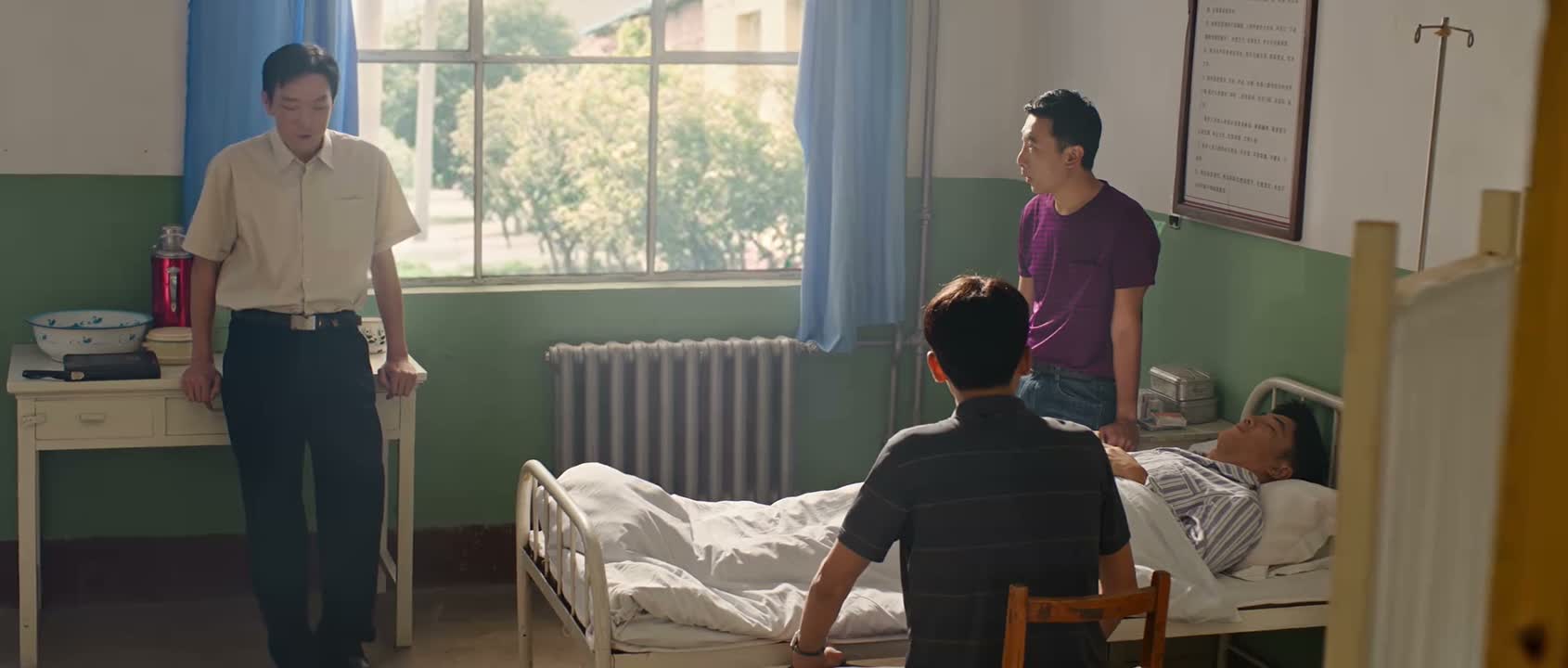 00:02
 00:02
 00:02
 00:02
 00:02
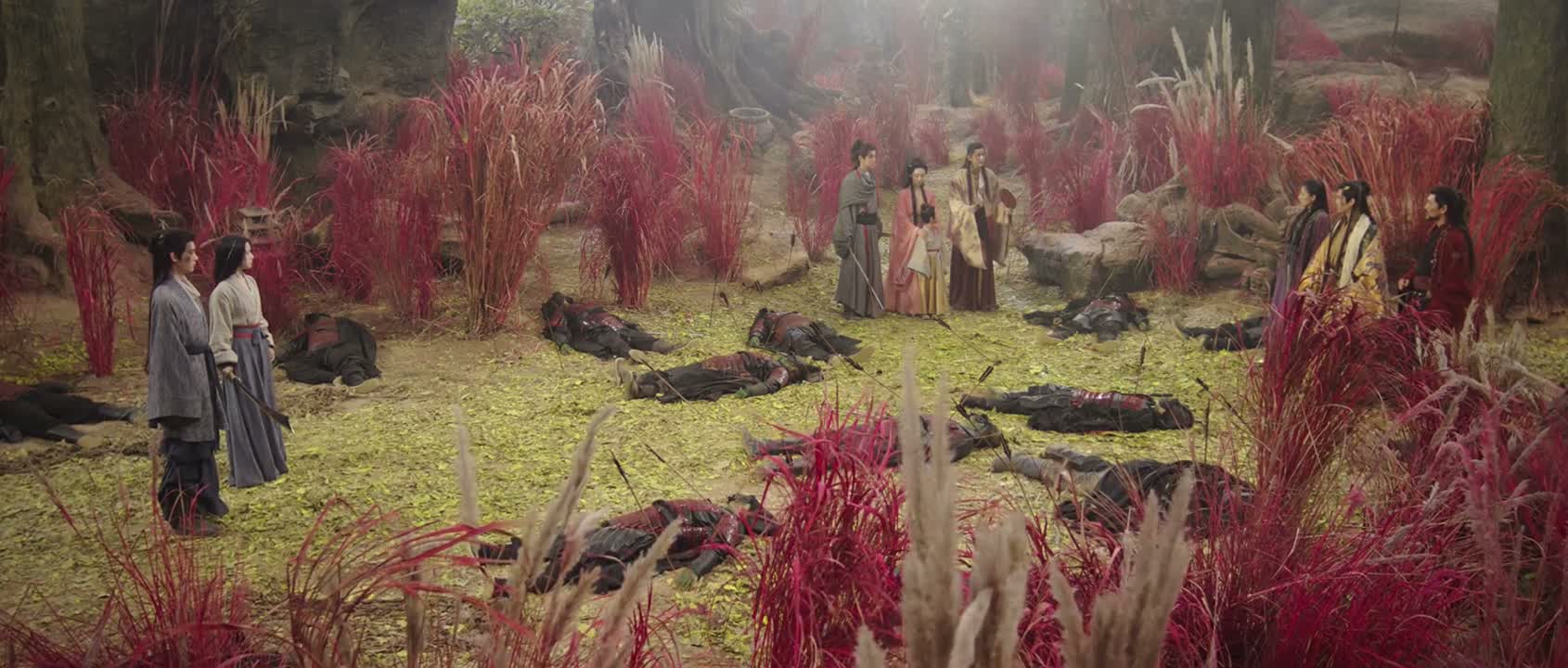 00:02
 00:02
 00:02
 00:02
 00:02
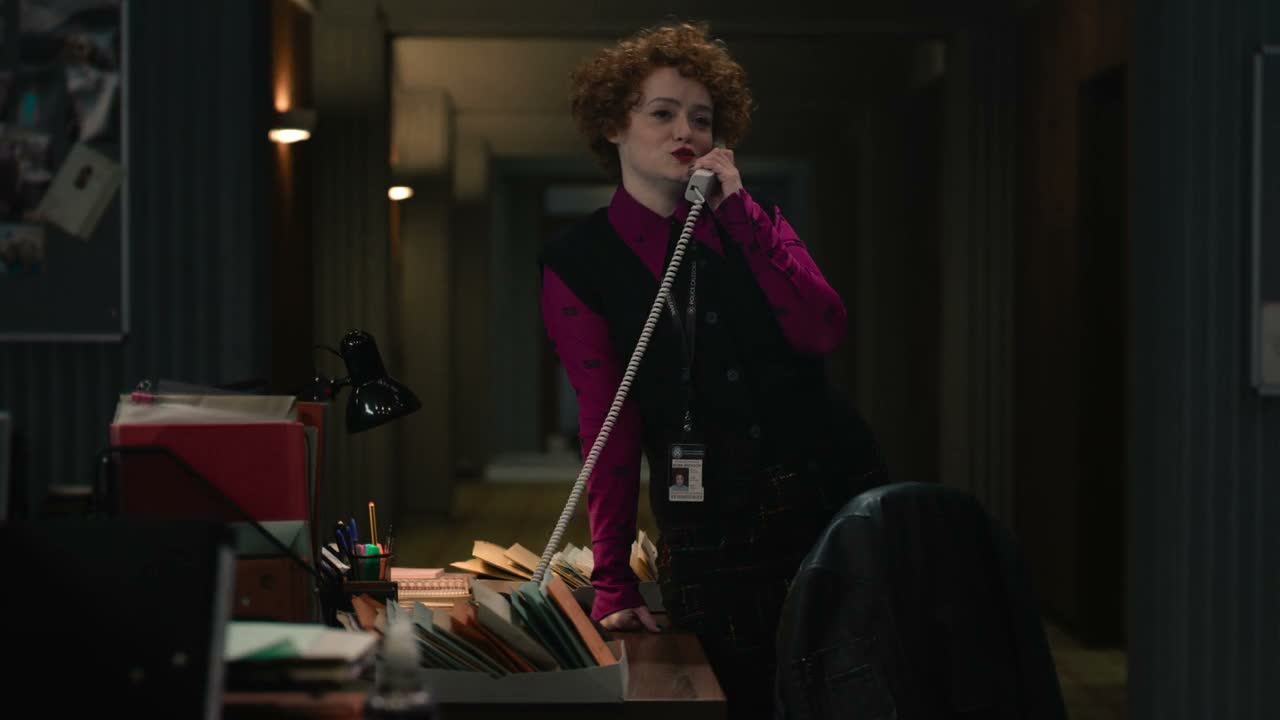 00:02
(是的 这是暗指他很烦人的意思) ── Previous context
“Oh, you two should get along wonderfully, then.”
 00:02
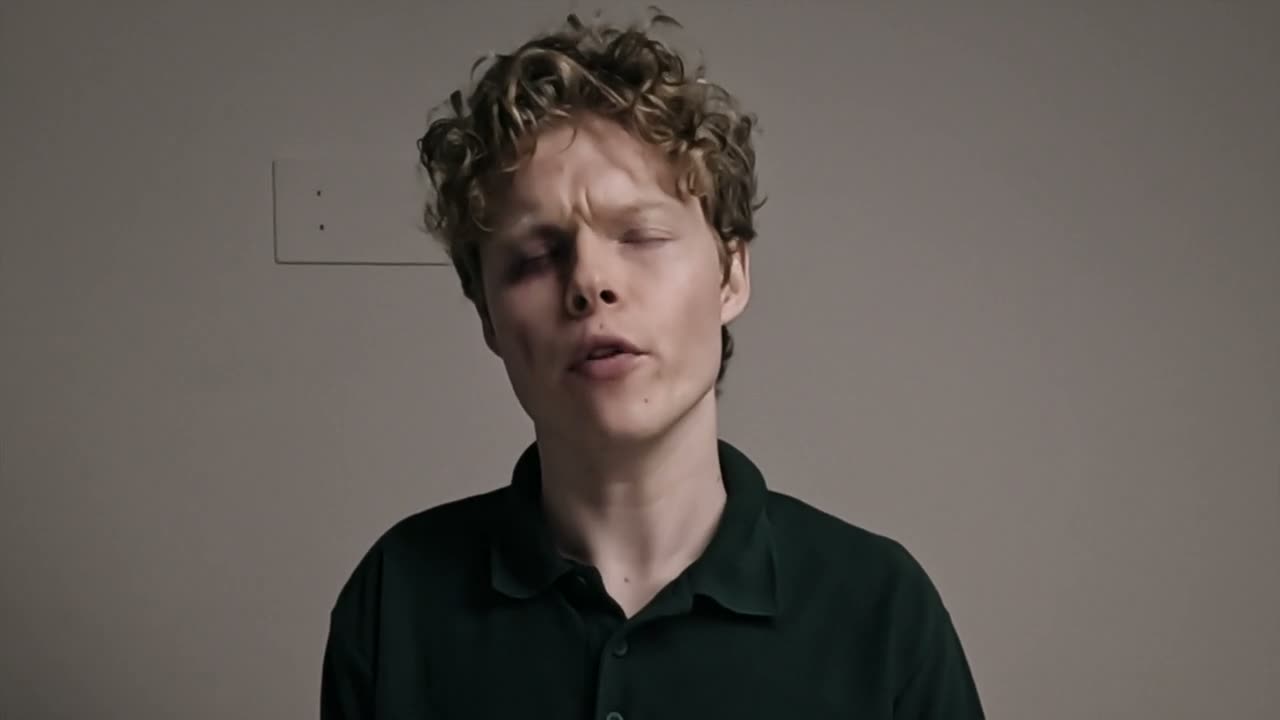 00:02
(高压氧舱) ── Previous context
“It's what they put divers in if they get the bends.”
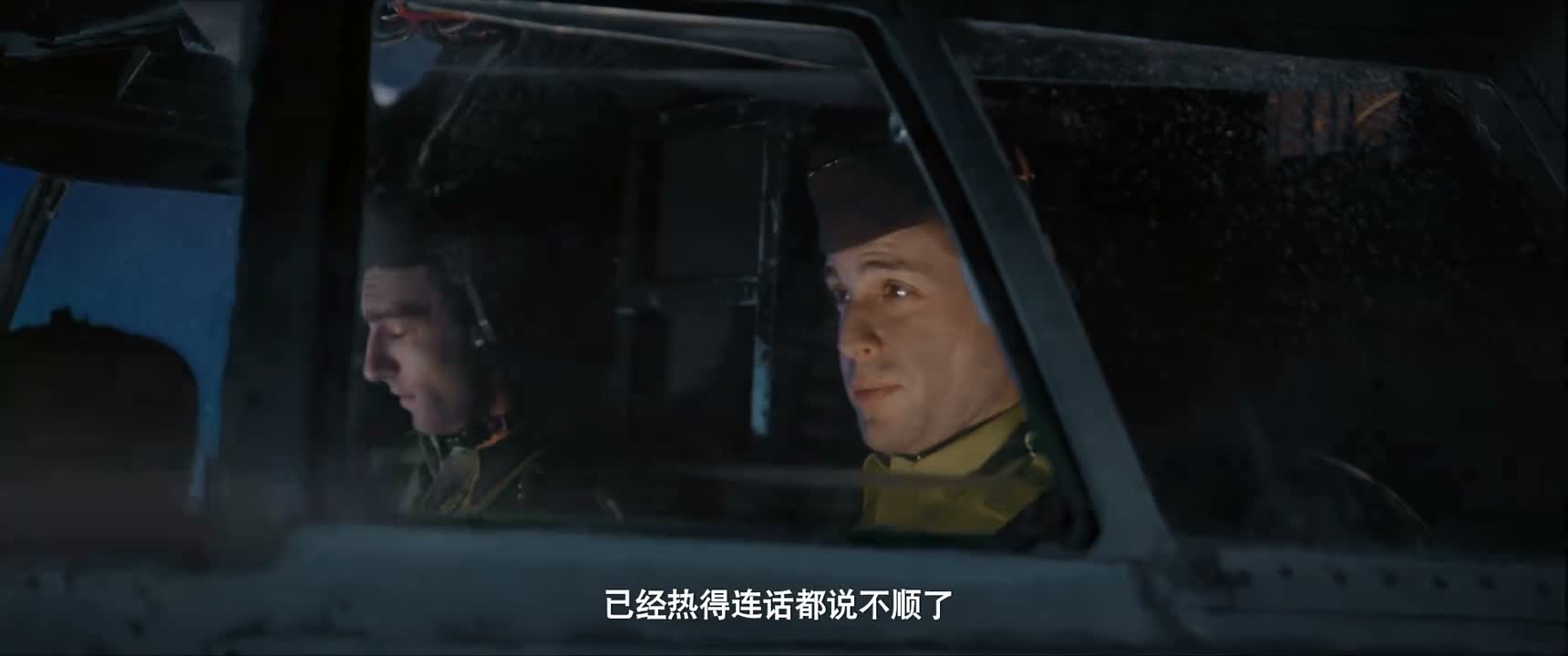 00:02
 00:03
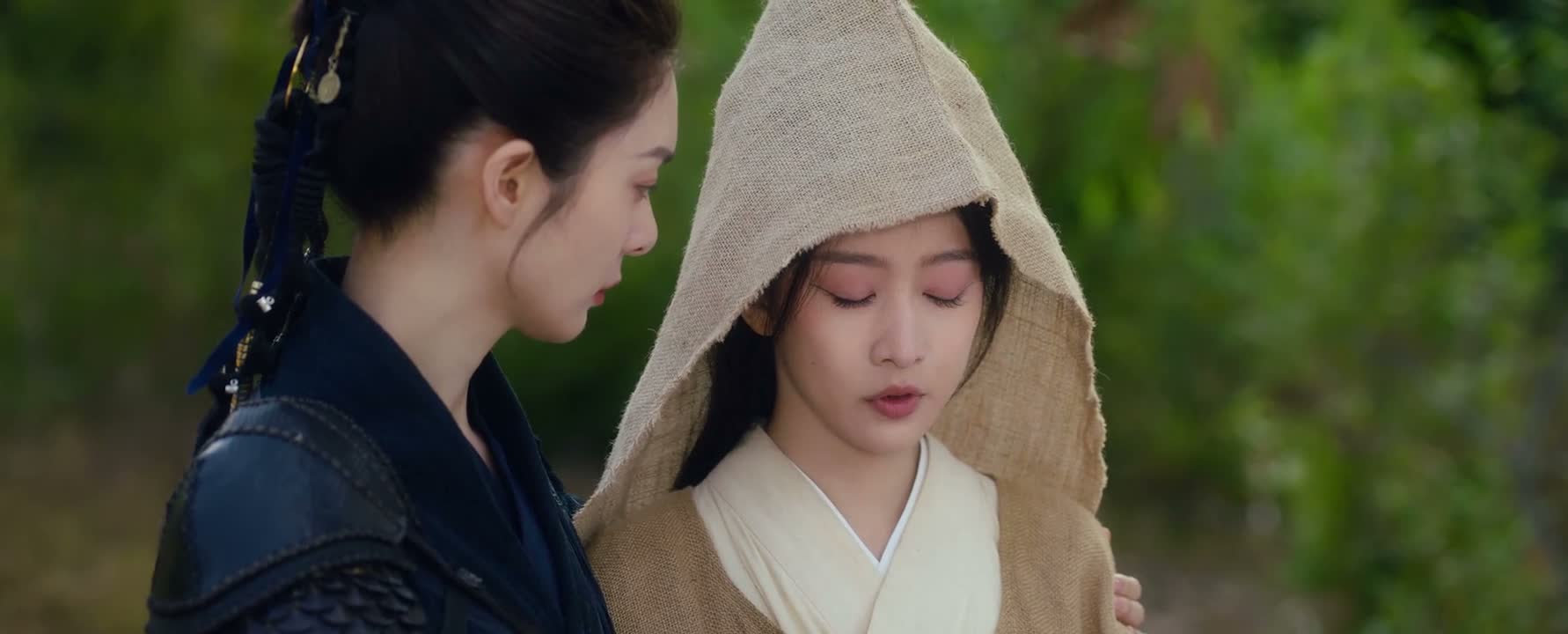 00:02
 00:02
 00:02
(我先告辞了) ── Previous context
“Whether it's related or not, we'll know after examination.”
 00:02
(说是他的同乡) ── Previous context
“But he was brought in a bit too late, and he passed away not long after.”
 00:02
 00:02
 00:02
 00:02
 00:02
 00:02
 00:02
 00:02
[Variation: 自我商量式]
(7 clips) 00:02
 00:02
(味同嚼蜡这个说法吧) ── Previous context
“I think Jing Yi was already kind enough with his remark.”
 00:02
(你甚至走五分钟就到你家冰店了耶) ── Previous context
“I feel like my life's lacking some excitement.”
 00:02
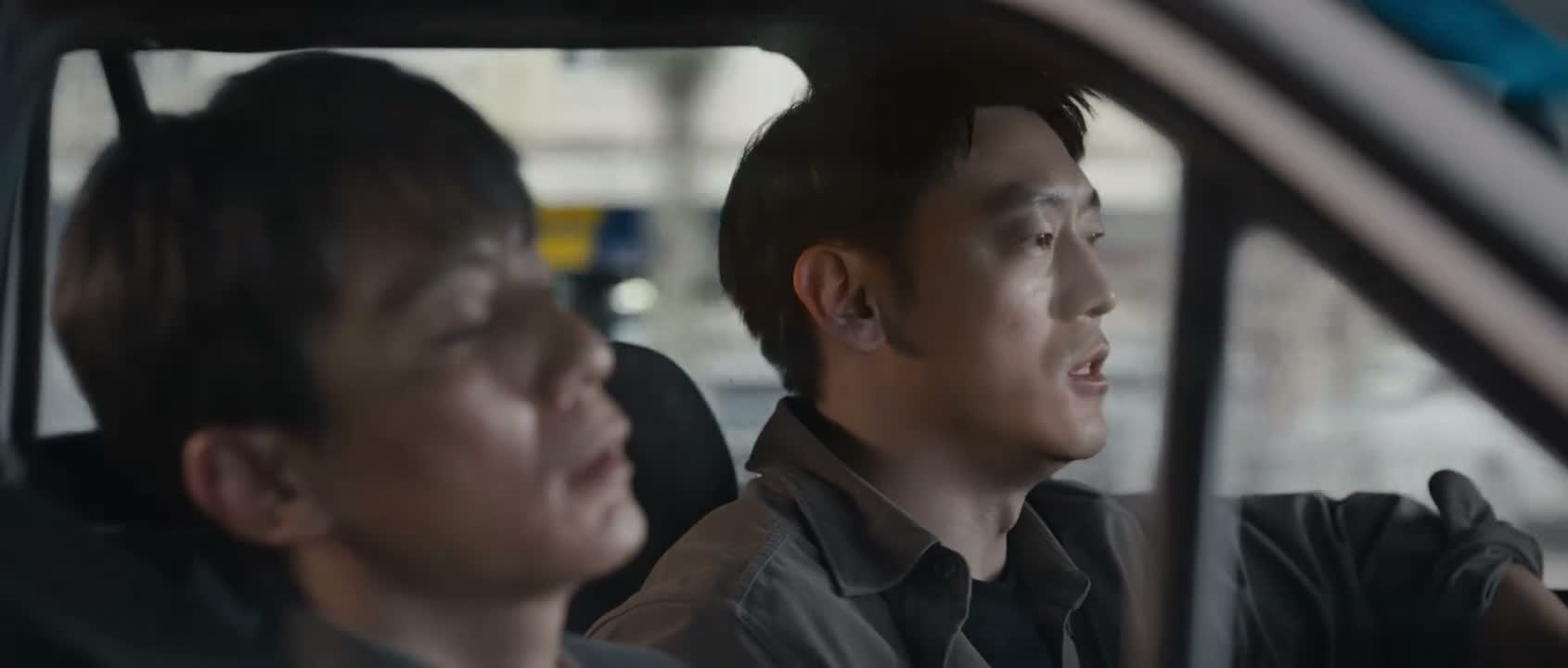 00:02
 00:03
(直到你年龄够大 能独自生活了) ── Previous context
“- I think I'm old enough now. - [scoffs] I beg to differ.”
 00:02
[Variation: 疑问反问式]
(3 clips)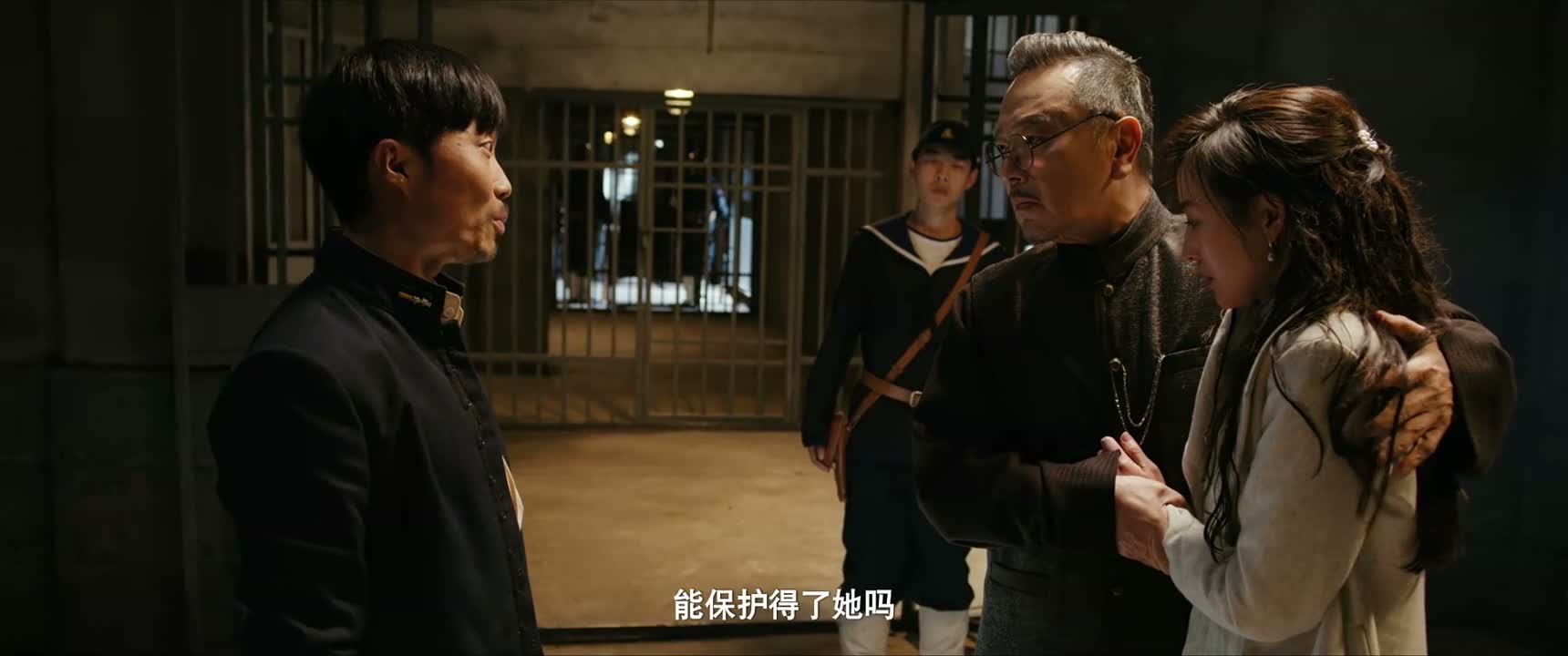 00:02
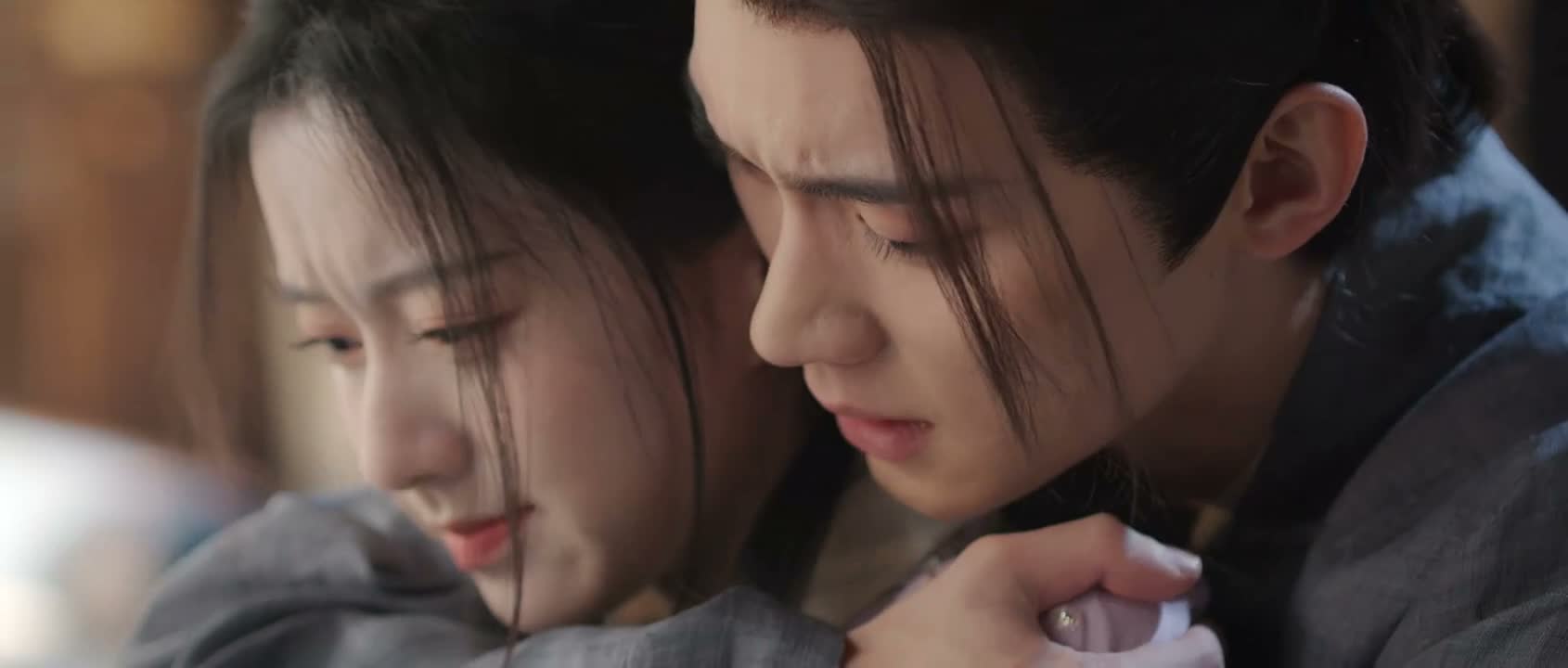 00:02
(害怕被责备) ── Previous context
“Have you forgotten what we saw in the underground palace?”
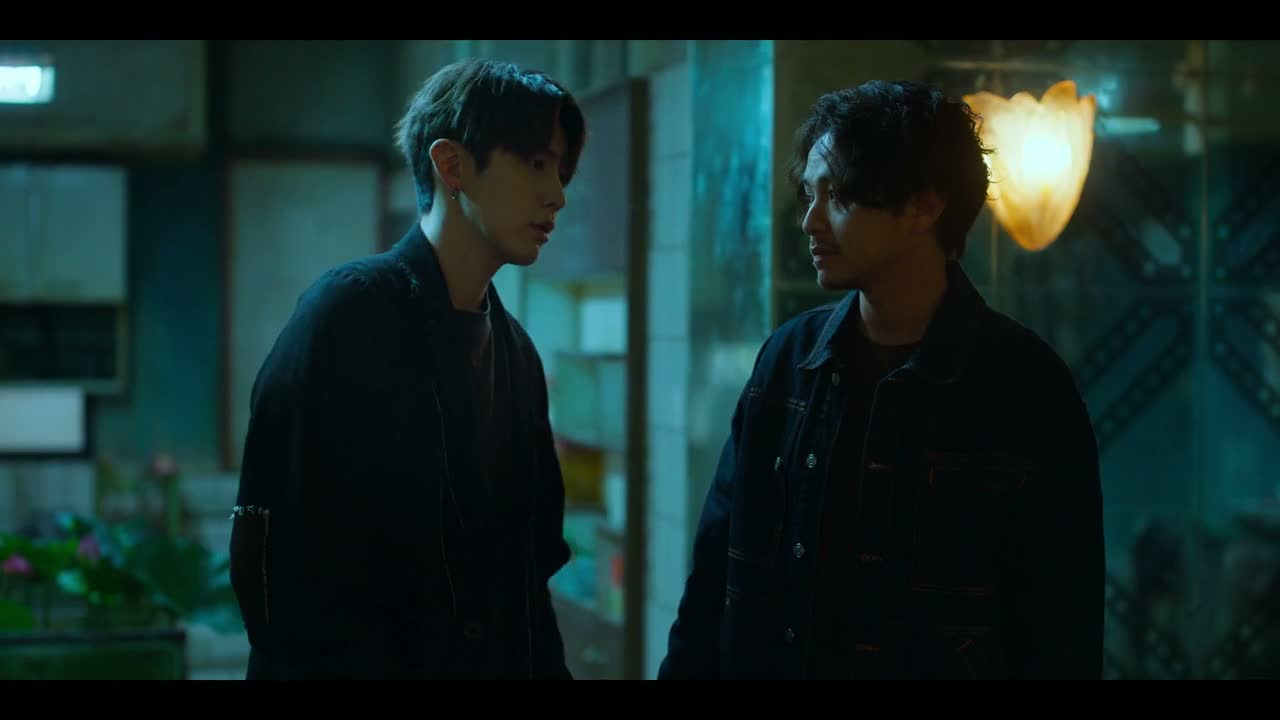 00:03
[Variation: 否定劝阻式]
(2 clips) 00:02
 00:02
(你要是没查出来) ── Previous context
“If we're to remain friends, you must get to the bottom of this, huh?”
📐 好久没...过
→Nuance: 同表好不容易闲下来的状态
📐 不是...吗
→Nuance: 同向近义词根配对: [已经 ↔ 早就]
📐 差不多
→Nuance: 劝阻对象为单人,出于关切的变体
📐 差不多
→Nuance: 仅增语气词,交际意图完全相同
📐 太...了
→Nuance: 更为委婉含蓄的警示变体
📐 太...了
→Nuance: 核心交际意图一致可互换
📐 唤我……
→Nuance: 同向近义词根配对: [以后 ↔ 日后]