我可能就舍不得还给你了啊
“I might not be willing to give her back.”
THE DIALOGUE REEL
再过两年啊
“With a couple more years,”
我可能就舍不得还给你了啊
“I might not be willing to give her back.”
案子呢
“The case is not solved yet.”
“I like this so much that in a couple of years, I might not want to give it back to you.”
Among workplace acquaintances, jokingly saying one is 'reluctant to return' someone is a common way to highly praise seconded talent or borrowed items, functioning as a warm compliment and a way to build rapport in Chinese workplace culture.
LEARNING CHUNKS & PARTICLES
reluctant to part with, let go of, or give up due to fondness, attachment, or treasuring
Extremely common in spoken Chinese; followed by a verb or noun, such as 'she bu de zou' (reluctant to leave) or 'she bu de hua qian' (reluctant to spend money).
in another... it will be...; indicates a state or outcome that will soon occur after a period of time passes
Commonly used to anticipate or state an upcoming point in time, adding emphasis or marking a transition in spoken discourse.
Sentence-final particle that softens the tone of teasing, adding a warm, playful, and drawn-out feel.
VOCABULARY & EXPRESSIONS
Parallel Spoken Cinema Scenes (语义近邻切片)

“You can go to them if I don't pay you back.”
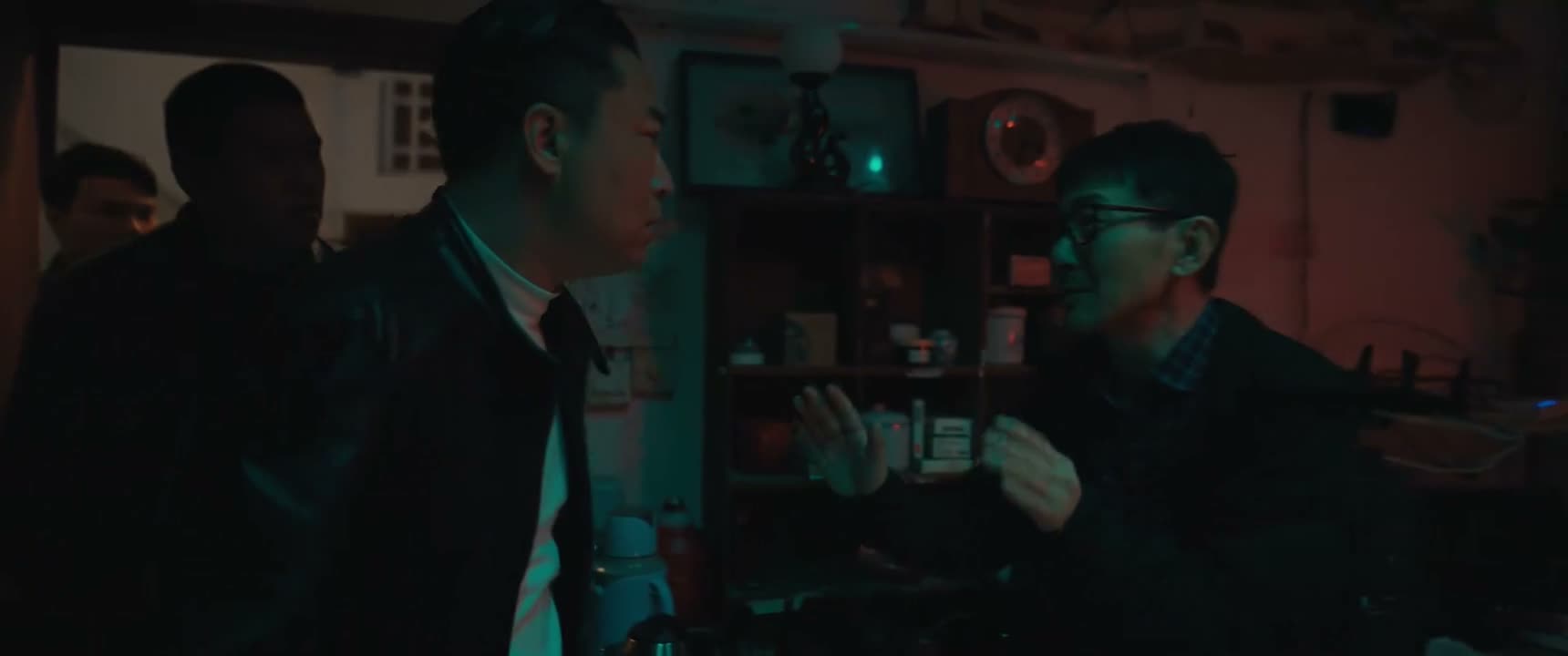
“Sir, didn't we agree I'd repay next month?”

“But I haven't paid you back last time. What are you afraid of?”

“But there are some things I won't return to you.”

“I didn't say you wouldn't have to return the money.”
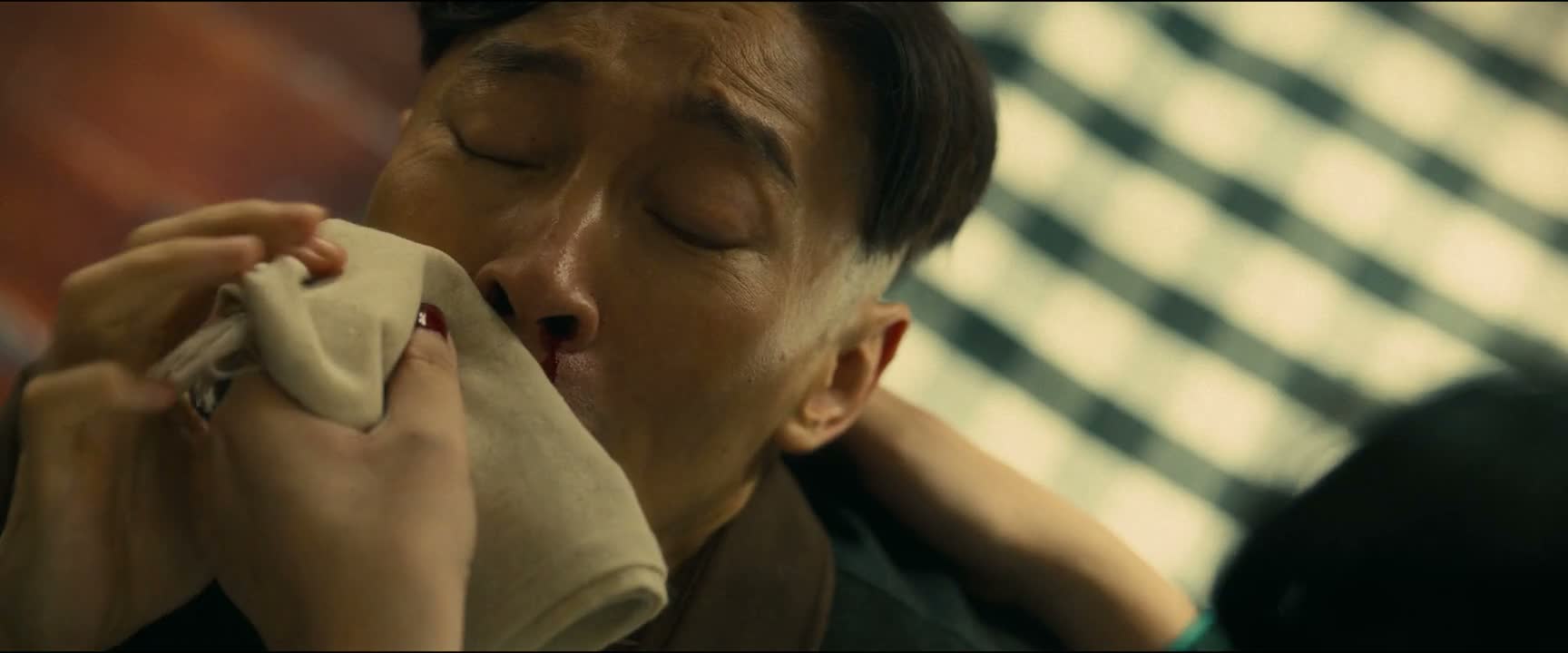
“dare not to pay me back, huh?”