打扮
dǎ bànCommon spoken expression used by native Chinese speakers in daily life.
[Scene: 社交聚会]
(11 clips) 00:02
 00:02
 00:02
 00:03
 00:02
(首先 你想让自己看起来 洋气 精神 得体) ── Previous context
“you have to put some effort into dressing up, right?”
 00:03
 00:03
(你一天不戳我心窝子 你难受是不是 没有没有没有) ── Previous context
“How about this? After we finish our coffee, I'll give you a makeover.”
 00:02
 00:03
(姑娘) ── Previous context
“judging by your looks and dress, you're not a local here, are you?”
 00:03
(考上大学了 怎么不上完啊) ── Previous context
“Family difficulties? Your outfit says otherwise.”
 00:02
[Scene: 历史宫廷]
(8 clips) 00:02
 00:02
 00:02
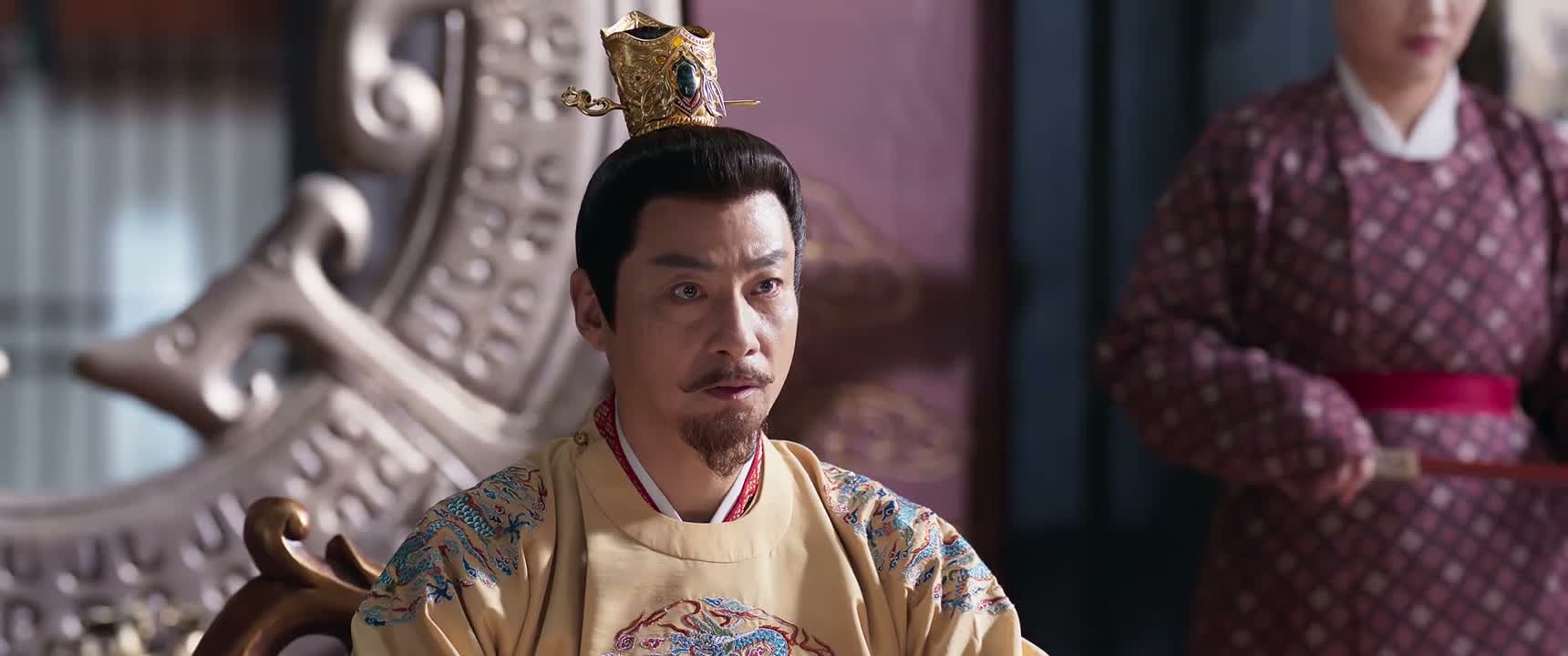 00:03
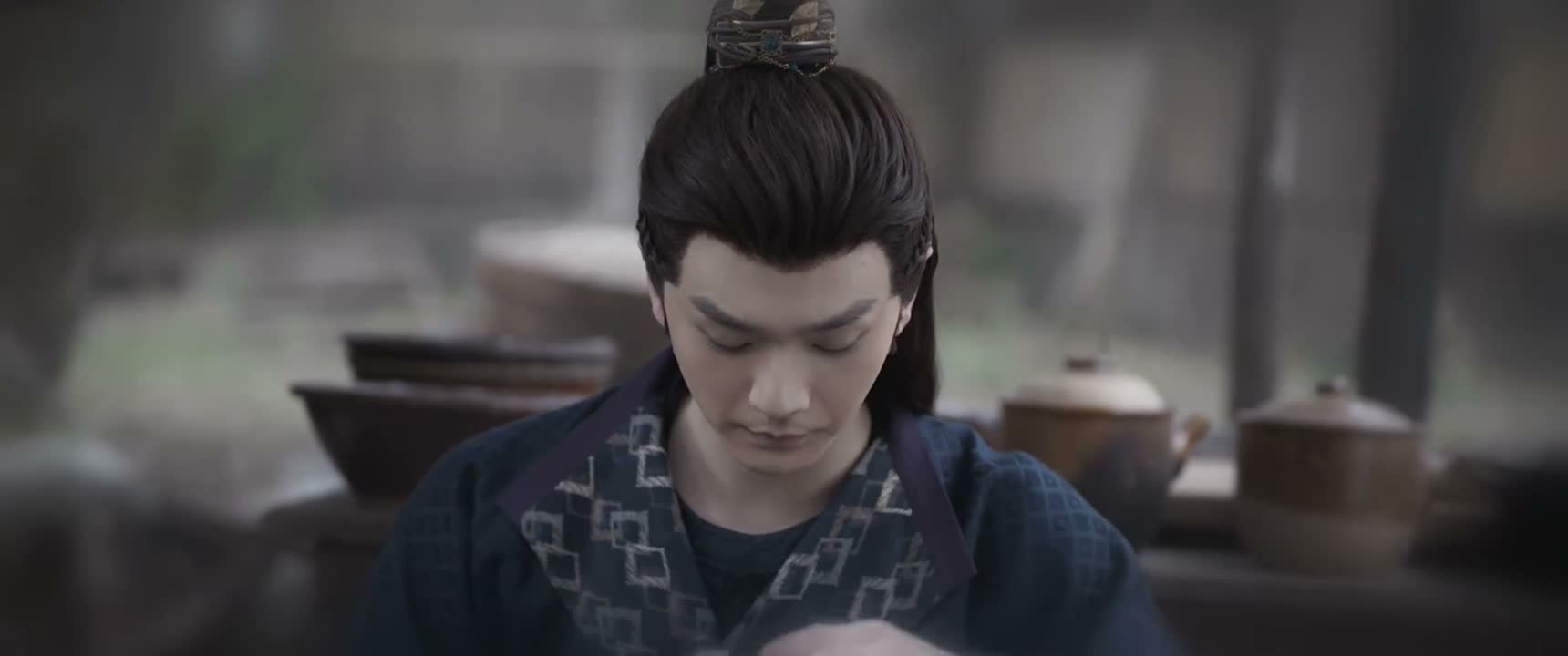 00:03
(而后) ── Previous context
“we disguised ourselves and split from the guards to travel separately.”
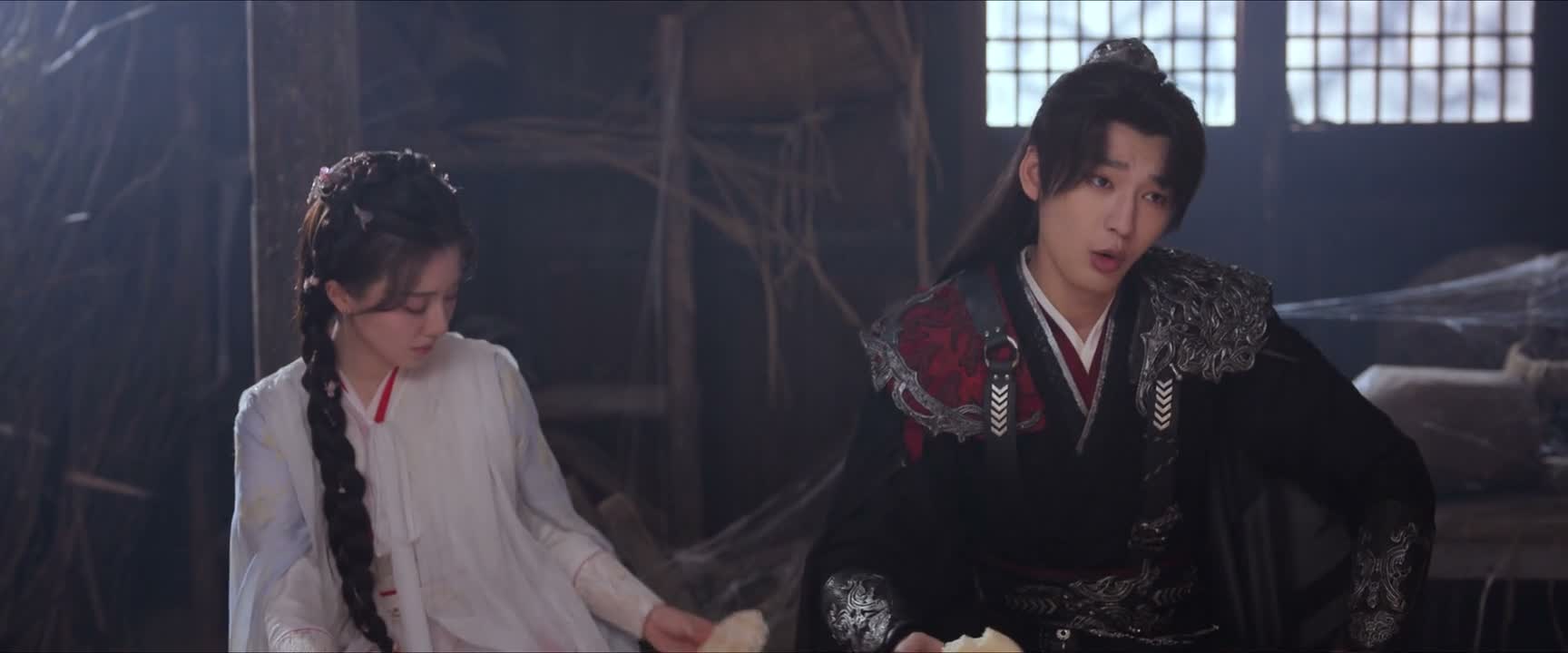 00:02
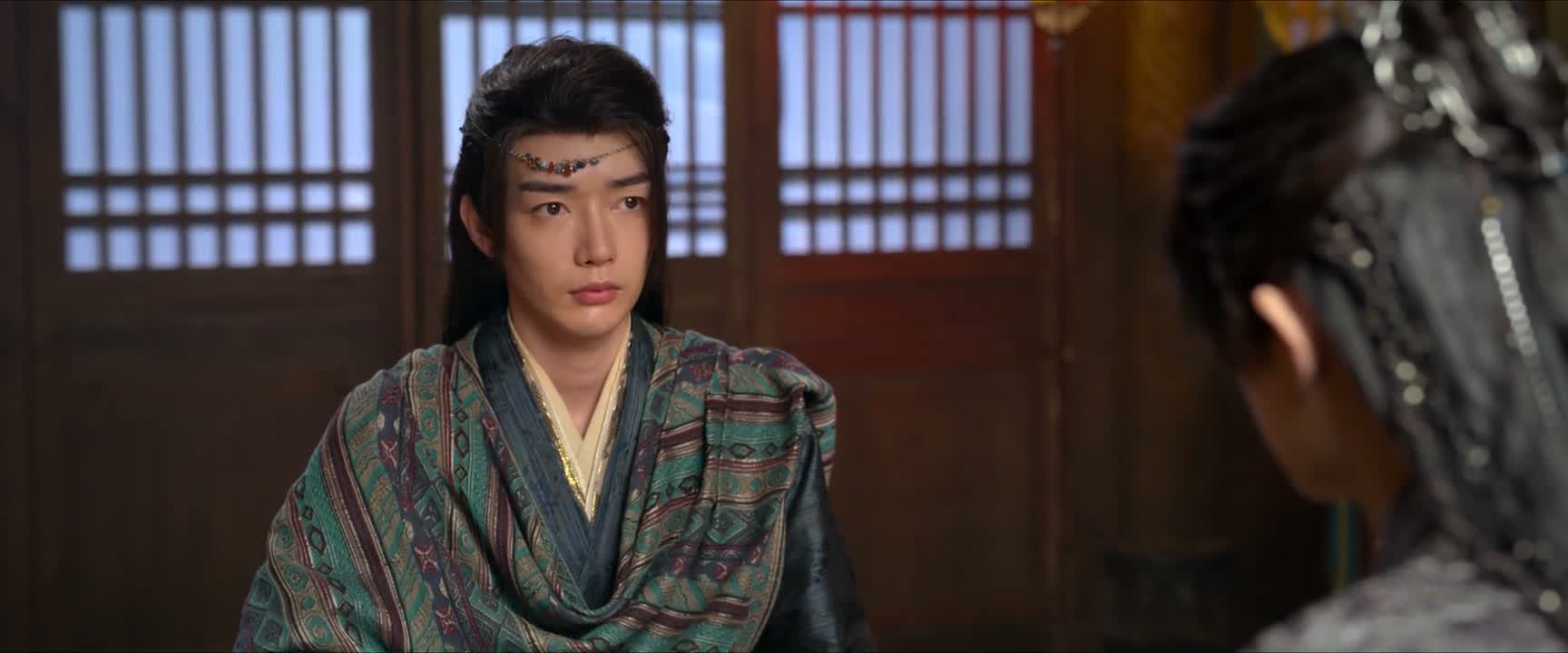 00:02
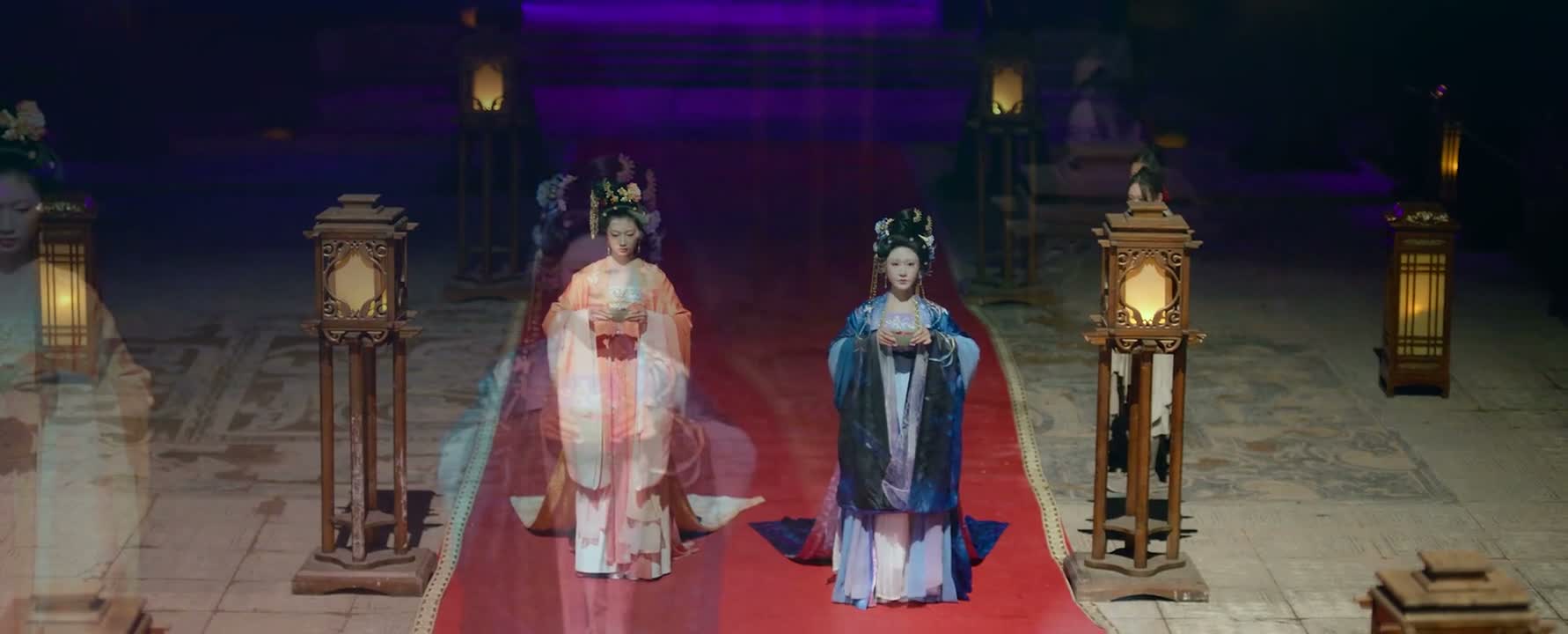 00:02
(红蓝双方各自选出四人) ── Previous context
“Two of them will be dressed in full ceremonial attire to perform the ritual of bowing to Heaven.”
[Scene: 其他场景]
(4 clips) 00:02
 00:02
(我灰头土脸地上了报纸 全省人都会看见的) ── Previous context
“But you don't need to dress like a monster.”
 00:03
(有红的、黑的 还有白色的) ── Previous context
“Why didn't you buy something for your intelligence?”
 00:03
(挺有道理的) ── Previous context
“All dressed up today? What's the occasion? We're registering our marriage.”
[Scene: 家庭日常]
(4 clips) 00:02
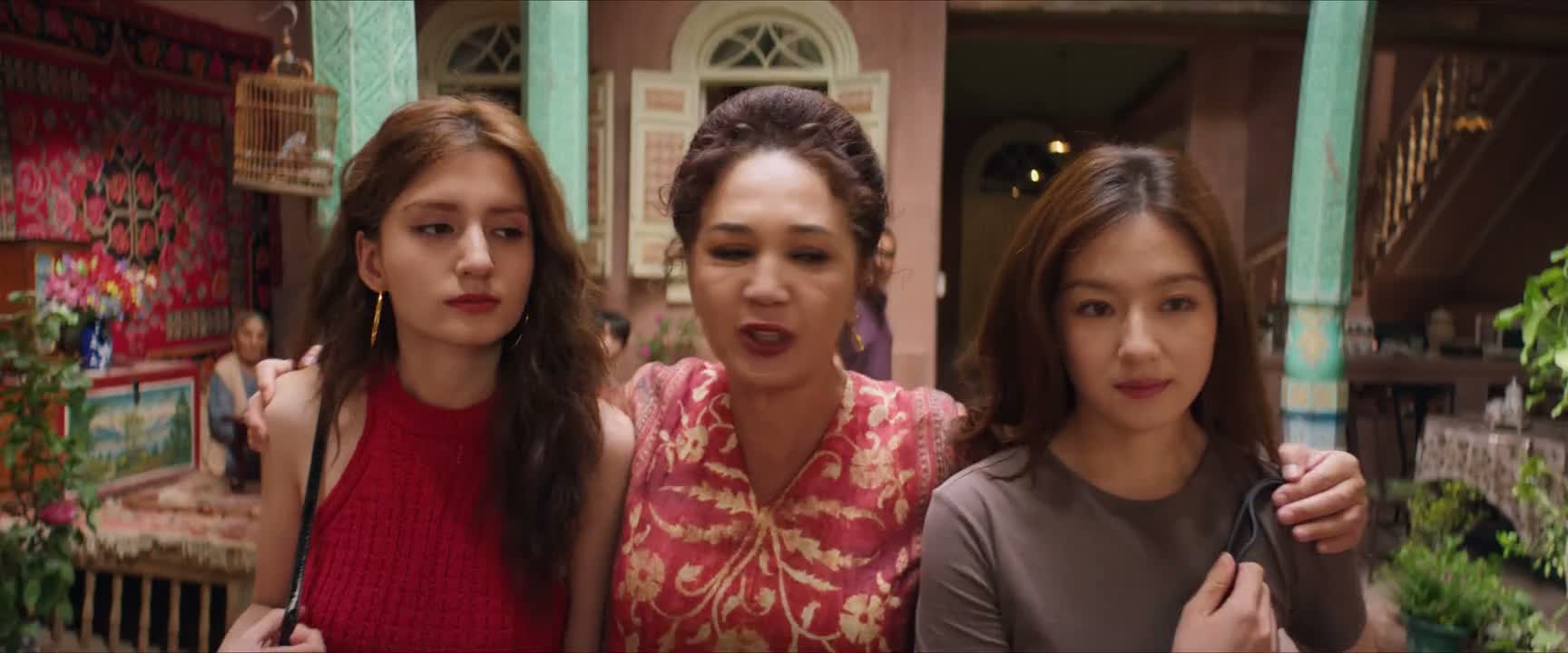 00:02
(我从小跟你们说) ── Previous context
“that you should dress up nicely when visiting the bazaar.”
 00:01
 00:03
(妈) ── Previous context
“Why are you dressed like this? Have you watched too many crime films?”
[Scene: 其他场景]
(1 clips) 00:02
[Scene: 职场工作]
(1 clips) 00:03
(不要) ── Previous context
“I want to dress up nicely for work. I'm doing it for myself and out of respect for my job.”
📌 你看看
→Nuance: 赞赏对方外表气度现代口语版
📌 相亲
→Nuance: 同向近义词根配对: [这样 ↔ 这么]
📌 小心
→Nuance: 同向近义词根配对: [不用 ↔ 不要]
📌 看起来
→Nuance: 推断对方非本地人意图一致
📌 怎么穿成这样
→Nuance: 交际意图一致,均疑问衣着打扮
📌 不知道
→Nuance: 共享核心口语谓词: [不知道]
📌 顺便
→Nuance: 仅脑壳与脑子替换,意图完全一致
📌 滚
→Nuance: 同为吐槽歌手装扮怪异