MC
MandarinClips Cinema Corpus
← Back to Expressions
Expression Profile · xin-lao-shi
📌

新老师

xīn lǎo shī
📊 Corpus Indexed: 1 clips
💡 Meaning:

Common spoken expression used by native Chinese speakers in daily life.

Spoken Idiom
Grammar Pattern: 📐 听...说 →

[Authentic Cinema Evidence Base]

(1 clips)
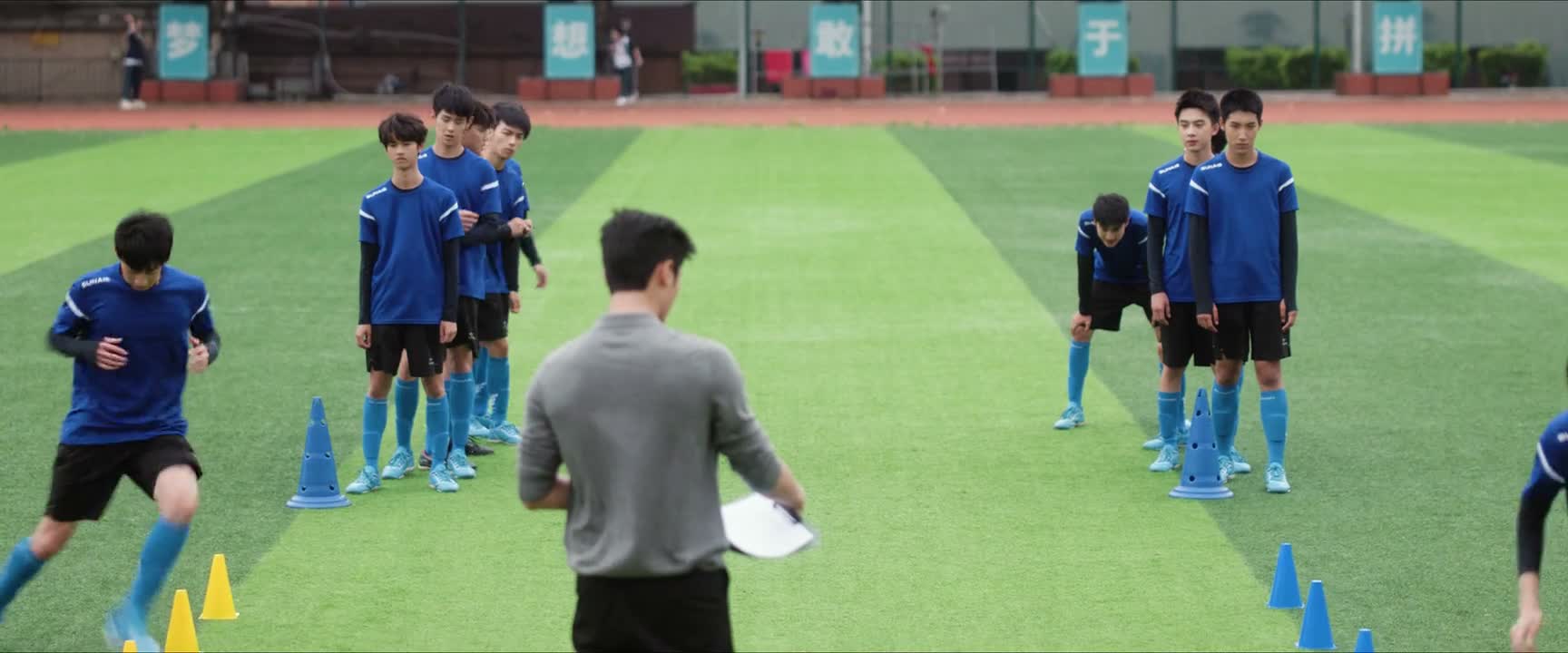
你们听说了吗 咱们年级组好像来了个新老师
00:03
你们听说了吗 咱们年级组好像来了个 新老师

(那我晚点来找你 我来不及了 先去了啊 好) ── Previous context

“Did you guys hear? A new teacher seems to have come to our grade group,”

《灿如繁星》 · 40:06
View Clip →

📌 哪个

→

Nuance: 同向近义词根配对: [我们 ↔ 咱们]

Example: 《隐身的名字》 “我们去看初中老师去了 看哪个老师啊”

📌 就是我

→

Nuance: 同向近义词根配对: [我们 ↔ 咱们]

Example: 《纯真年代的爱情》 “他就是我们班的一员了 大家欢迎新同学”

📌 也是

→

Nuance: 同向近义词根配对: [我们 ↔ 咱们]

Example: 《长河落日》 “我们也是刚刚知道的”

📌 刚知道

→

Nuance: 同向近义词根配对: [我们 ↔ 咱们]

Example: 《长河落日》 “我们也是刚刚知道的”

📌 都听见了

→

Nuance: 同向近义词根配对: [我们 ↔ 咱们]

Example: 《灿如繁星》 “我们大家可都听见了 现场还有这么多老师做见证”

📌 谣言

→

Nuance: 同向近义词根配对: [我们 ↔ 咱们]

Example: 《灿如繁星》 “传我们老师的谣言”

📌 是我

→

Nuance: 同向近义词根配对: [我们 ↔ 咱们]

Example: 《纯真年代的爱情》 “他就是我们班的一员了 大家欢迎新同学”

📌 知道

→

Nuance: 同向近义词根配对: [我们 ↔ 咱们]

Example: 《长河落日》 “我们也是刚刚知道的”

📌 欢迎

→

Nuance: 同向近义词根配对: [我们 ↔ 咱们]

Example: 《纯真年代的爱情》 “他就是我们班的一员了 大家欢迎新同学”

📌 一员

→

Nuance: 同向近义词根配对: [我们 ↔ 咱们]

Example: 《纯真年代的爱情》 “他就是我们班的一员了 大家欢迎新同学”