咋整
zǎ zhěngCommon spoken expression used by native Chinese speakers in daily life.
[Scene: 其他场景]
(4 clips) 00:03
(事在人为嘛 干杯) ── Previous context
“I'm so scared. What happened? How did he get killed?”
 00:03
(长这么高) ── Previous context
“Xiaoming's back. What about her school? She will be back to Qidian Middle School. It's close.”
 00:03
(我遭不了这罪) ── Previous context
“I can't do that, anyway. I quit. What about earning money?”
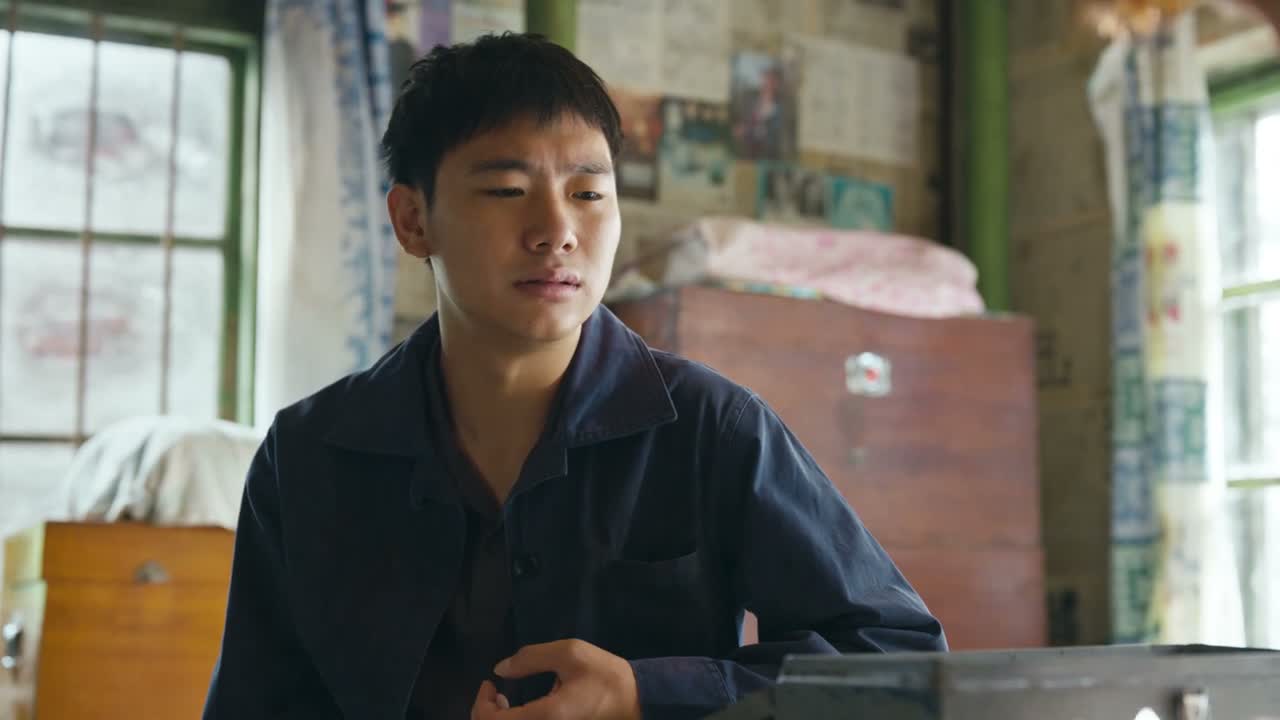 00:02
(没有用那玩意儿) ── Previous context
“After you pay this, how are you supposed to go to Shanghai?”
[Scene: 家庭日常]
(4 clips) 00:03
(我本来寻思是我去伺候的) ── Previous context
“But now, Fang's leg is all stabbed up. What should I do?”
 00:02
 00:02
 00:03
(蒸大馒头的) ── Previous context
“You just started making money, and you borrowed to buy these? What if you lose money?”
[Scene: 其他场景]
(1 clips) 00:03
(他骂你拖油瓶的时候你忘了) ── Previous context
“So what if he called me that? What if we really hurt him?”
[Scene: 警匪刑侦]
(1 clips) 00:02
(够拘) ── Previous context
“Two kids were horsing around. Why involve the police station?”
[Scene: 出行交通]
(1 clips) 00:02
(我不是来等她的 那咋回事儿啊 说好今天一起走的) ── Previous context
“The train's about to leave. What to do?”
📌 没事
→Nuance: 表态被骂无所谓的同义互换
📌 怎么办
→Nuance: 同为假设缺失询问怎么办口语变体
📌 干什么
→Nuance: 核心均指不挣钱就不干了
📌 不是
→Nuance: 同为打闹开脱,反问表达更委婉
📌 这么大个
→Nuance: 表达腿被扎坏,口吻偏无奈求助
📌 你看
→Nuance: 均表因凶险命案受惊吓与疑问
📌 打打闹闹
→Nuance: 同为打闹开脱,反问表达更委婉
📌 亲哥
→Nuance: 同为打闹开脱,反问表达更委婉
📌 干什么呀
→Nuance: 核心均指不挣钱就不干了