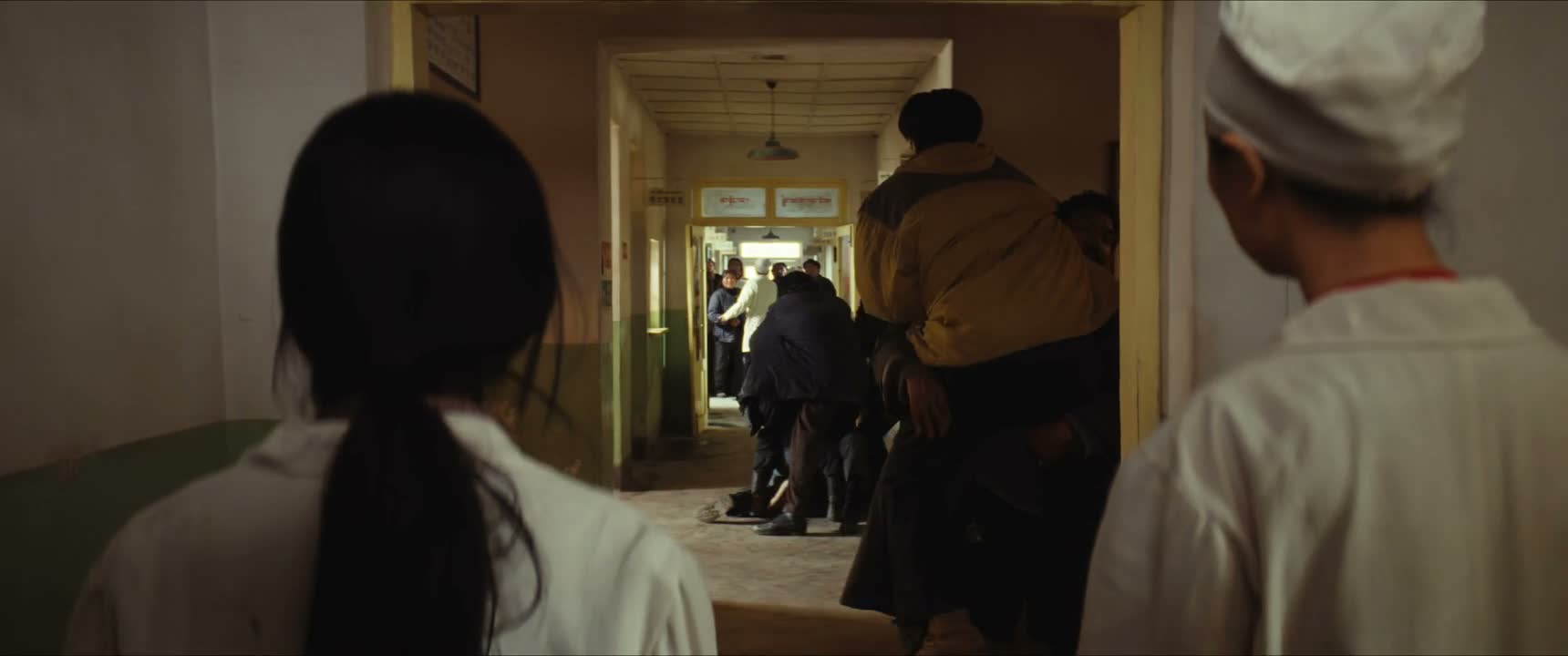
你脑子有坑啊 你说我啊 难道不是吗
“Is there something wrong with your brain? Are you talking to me? Isn't there?”
THE DIALOGUE REEL
不是
“Come on.”
你 脑子有坑 啊 你说 我啊 难道不是 吗
“Is there something wrong with your brain? Are you talking to me? Isn't there?”
这场比赛关系到我们的未来啊 你不想考大学
“This match is related to our future. If you don't want to go to college,”
“Are you completely out of your mind? Blaming me? You know damn well it's your fault!”
Combined with the subsequent mention of 'taking college entrance exams,' the setting is the Chinese high school stage. In the Chinese context, the gaokao (college entrance examination) is widely seen as a pivotal turning point that determines one's future, so any action affecting exam preparation or related competitions can trigger intense anxiety and conflict.
LEARNING CHUNKS & PARTICLES
to have a screw loose; out of one's mind; acting foolishly or absurdly
A highly frequent colloquial criticism in internet and youth slang carrying mild insult or venting frustration. Usually exchanged between peers or familiar acquaintances during an argument.
isn't that so?; isn't that the case?
A rhetorical question pattern used to reinforce an affirmative stance, strongly insisting that one's statement is an indisputable fact and leaving no room for rebuttal.
Used repeatedly at sentence ends to heighten the confrontational tone, emotional intensity, and accusatory questioning.
Placed at the end of a rhetorical question to amplify interrogation and press the other person for agreement.