打老公那几下太狠了 神经病家族啊
“(She hit her husband way too hard.) (Crazy family.)”
THE DIALOGUE REEL
“(What's going on?) (Ren Xiaoming looks crazy.)”
打 老公 那几下 太狠了 神经病 家族啊
“(She hit her husband way too hard.) (Crazy family.)”
“(Ren Xiaoming is really sick. How could she hit such a good man?)”
Direct spoken expression in this communicative setting.
In modern colloquial Chinese, this is commonly used as a non-clinical derogatory term or exclamation to criticize someone for being unreasonable, extreme, or behaving like a madman.
LEARNING CHUNKS & PARTICLES
too brutal, harsh, or ruthless
A high-frequency colloquial expression used to describe heavy-handed physical action, or figuratively to describe someone as cold-blooded and merciless.
to have the heart to strike or hurt someone
Often used in rhetorical questions or exclamations to express disbelief and condemnation of cruel or heartless actions.
Placed at the end of a sentence to intensify the emotional tone of exclamation, disgust, and shock.
VOCABULARY & EXPRESSIONS
Parallel Spoken Cinema Scenes (语义近邻切片)
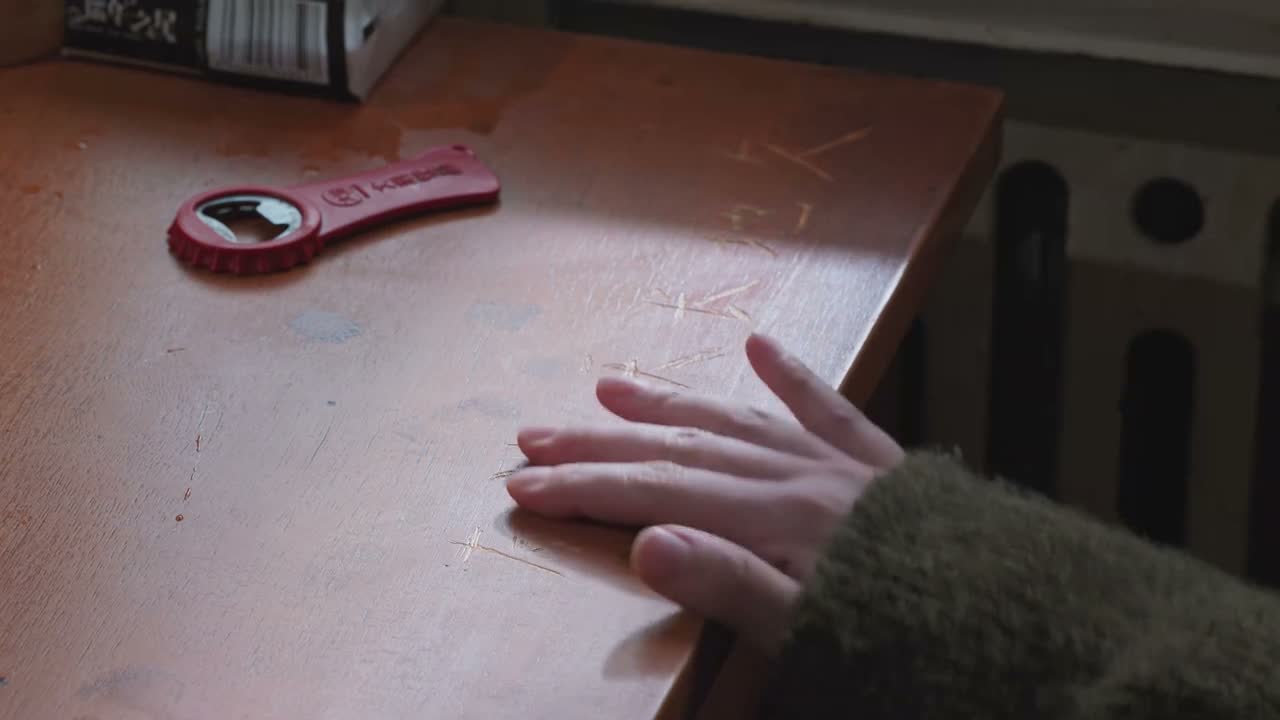
“and everyone thinks your whole family is crazy.”
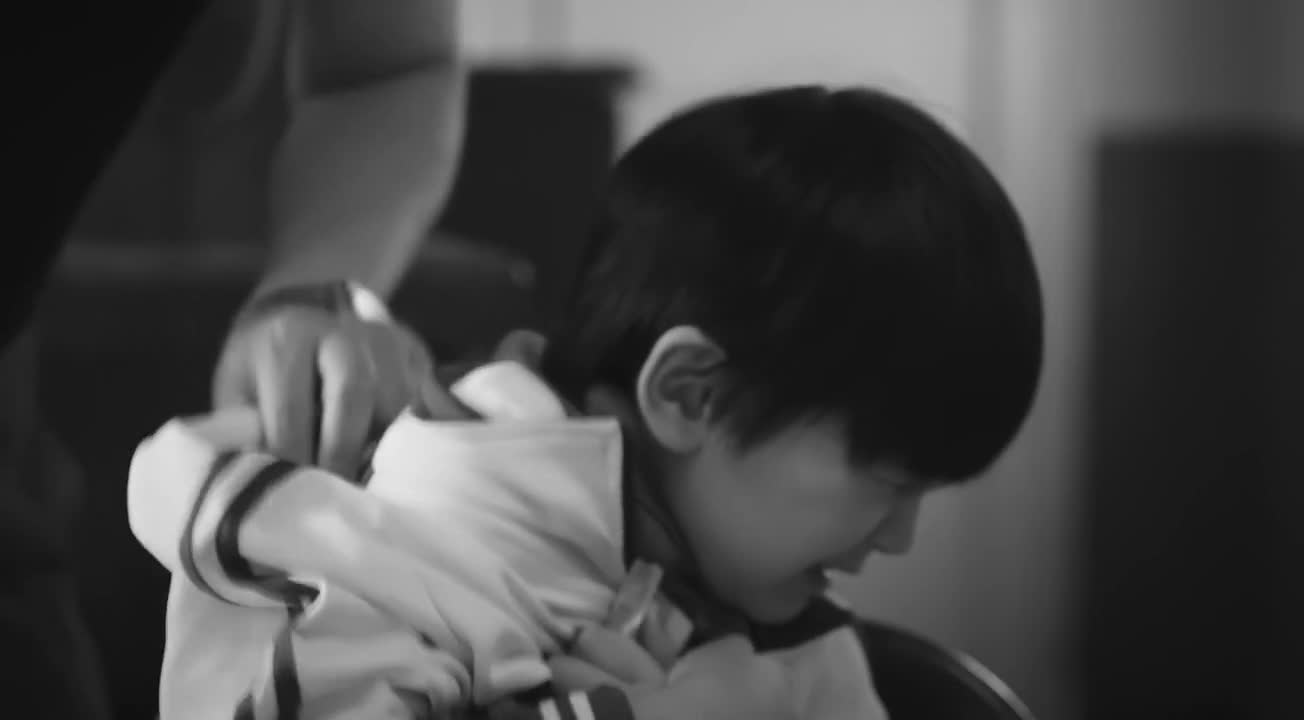
“Are you crazy? How could you hit him?”
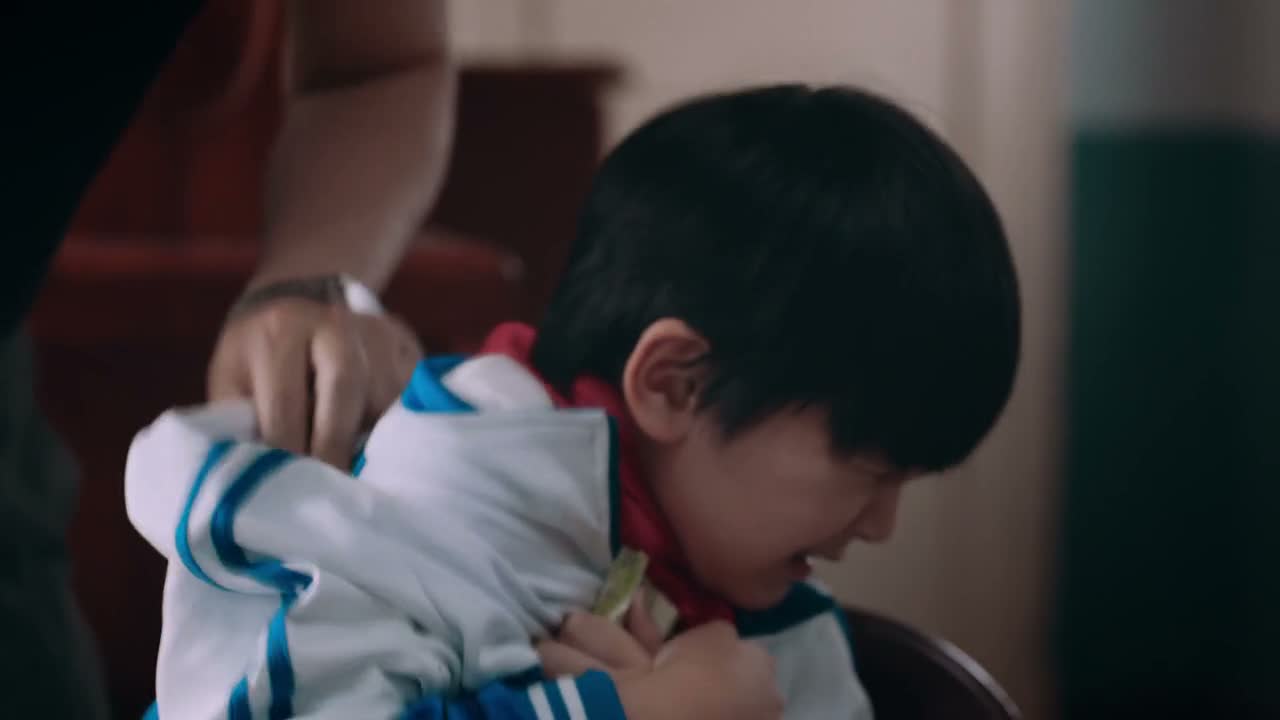
“Are you crazy? Why do you beat him?”

“You've been making things difficult for my husband!”

“Stop hurting my husband, in particular.”
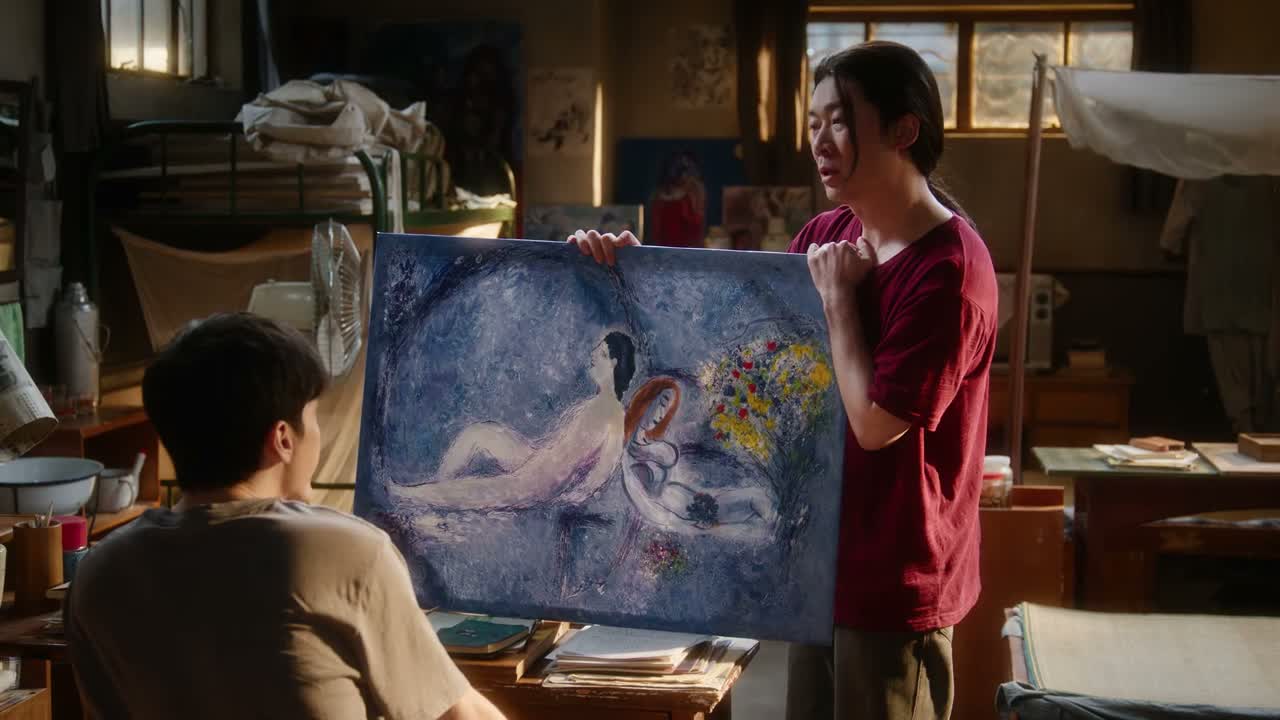
“they'd look like 2 nutjobs.”