你俩不许再动手了啊 不 不能 好朋友闹着玩的
“No more fighting. Okay. We're just good friends messing around.”
THE DIALOGUE REEL
警察同志
“Officer.”
你俩 不许再 动手了 啊 不 不能 好朋友 闹着玩的
“No more fighting. Okay. We're just good friends messing around.”
费心 干啥去
“Thanks. Where are you going?”
“Stop fighting right now! We can't let the cops get involved—just pretend we're close buddies simply messing around.”
When civil disputes occur in Chinese society, parties often prefer to settle privately or dismiss incidents as 'just messing around' to avoid official intervention (such as police filing cases or detention), reflecting a cultural tendency to avoid litigation and prioritize harmony.
LEARNING CHUNKS & PARTICLES
just playing around, fooling around, not being serious
A high-frequency colloquial phrase often used after physical scuffles or verbal disputes to defuse tension and dodge accountability in front of authority figures like parents, teachers, or police.
no fighting, keep your hands to yourself
A common imperative used to de-escalate violence, carrying a firm and authoritative tone.
Placed at the end of an imperative sentence to reinforce a warning or urge compliance.
VOCABULARY & EXPRESSIONS
Parallel Spoken Cinema Scenes (语义近邻切片)
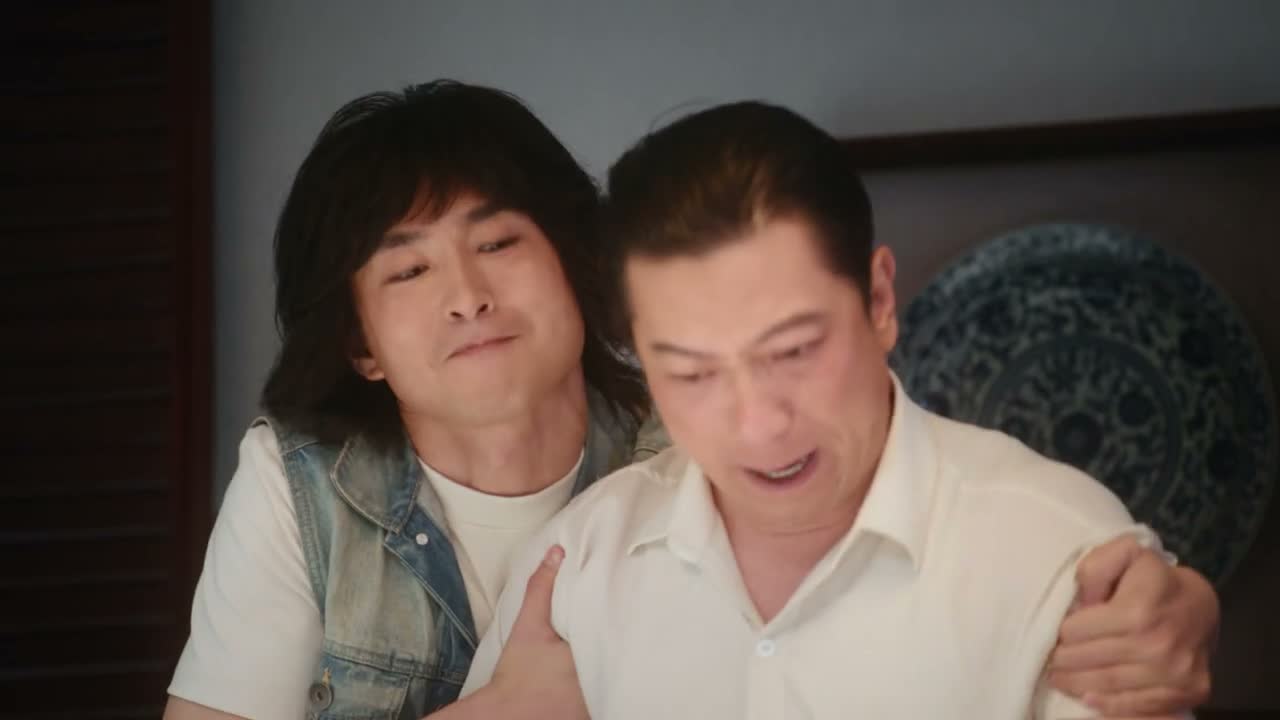
“No one is allowed to take it.”

“(No. I shouldn't meddle in other people's business.)”
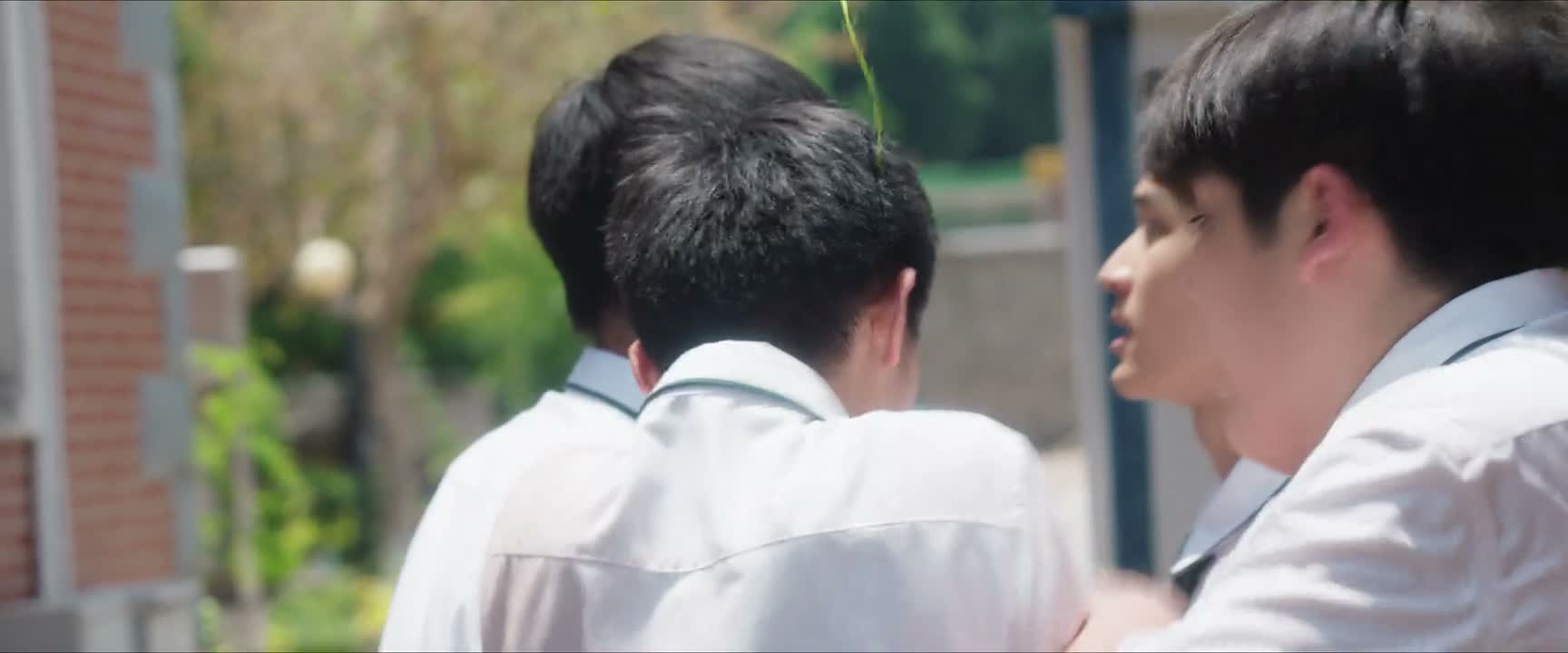
“-Don't start a fight! -What are you doing? -Back off! -You wanna fight?”

“no one can touch you.”

“You can't just resort to violence.”

“Don't move! Who told you to grab my instrument?”

“Freeze! ♪ Do you know that I love you, miss you, resent you, and long for you? ♪ Why did you take my guitar?”

“don't ever fight with your classmates.”

“Don't move. Who are you? What are you doing? Is there anyone else in the house?”

“Don't fight! Don't hit people!”

“You want to fight? Don't fight.”