你看我这一身 你赔钱 自己不长眼还有理了
“Look at my clothes! Pay for the damage! Blaming me for your own carelessness?”
THE DIALOGUE REEL
“It came from your shop. If not you, who?”
你看 我这一身 你 赔钱 自己 不长眼 还有 理了
“Look at my clothes! Pay for the damage! Blaming me for your own carelessness?”
“- You heartless woman! - Who are you calling heartless? You're ruining my business.”
Direct spoken expression in this communicative setting.
In public street disputes, appealing to visible evidence ('look at my clothes') and loudly claiming moral justification ('理') is a common tactic to assert dominance and demand settlement.
LEARNING CHUNKS & PARTICLES
pay compensation; pay for the damages
A blunt, demanding imperative used when holding someone financially liable for damage.
careless; not watching where one is going (literally: not growing eyes)
A colloquial insult used to reprimand someone for negligence or causing an accident by not paying attention.
and you think you're in the right?; acting like you have an excuse
A rhetorical reprimand deployed when someone who is obviously at fault dares to argue back.
Functions in '还有理了' to express exasperation at the emergence of an unreasonable attitude.
VOCABULARY & EXPRESSIONS
Parallel Spoken Cinema Scenes (语义近邻切片)

“for your Xinxin Vision until nothing is left?”

“- You should pay me back! - But I…”

“I saw you kick my dog. Are you blind? You must be blind.”
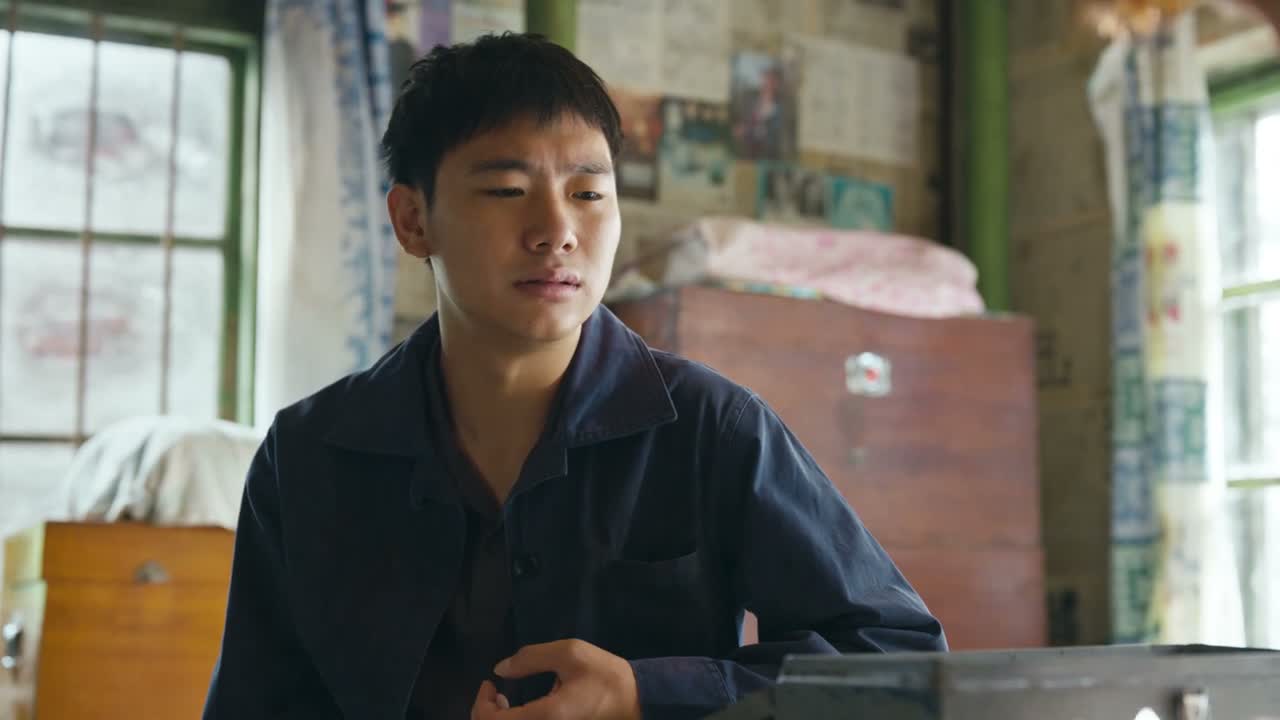
“After you pay this, how are you supposed to go to Shanghai?”

“I know you all look down on me. I have to rely on myself!”

“Take the money. Just pretend you never saw me, all right?”