我都佩服得五体投地
“Even I'm in awe.”
THE DIALOGUE REEL
“I'm serious. This is pure genius. Never mind Mimi.”
我都 佩服 得 五体投地
“Even I'm in awe.”
来来来 坐坐坐
“Come on. Sit down.”
“You completely blew my mind, I am in utter awe of you.”
Using theatrical, Buddhist-derived idioms like '五体投地' in casual conversation creates social warmth and elevates the counterpart's stature.
LEARNING CHUNKS & PARTICLES
to prostrate oneself in admiration; to admire someone with utmost reverence
A classic chengyu frequently paired with '佩服' to express overwhelming respect or humorous hyperbole.
admire to the point of...
A standard resultative complement pattern used to introduce the degree of one's admiration.
VOCABULARY & EXPRESSIONS
Parallel Spoken Cinema Scenes (语义近邻切片)

“My admiration for you is like the endless waves of the mighty river.”

“Sometimes, I really admire this friend of yours.”

“We admire that you, as a woman,”

“Of course. I admire you, respect you, and miss you more than anyone.”

“the person he respected most from the bottom of his heart”

“I genuinely admire you. Spare me your flattery.”
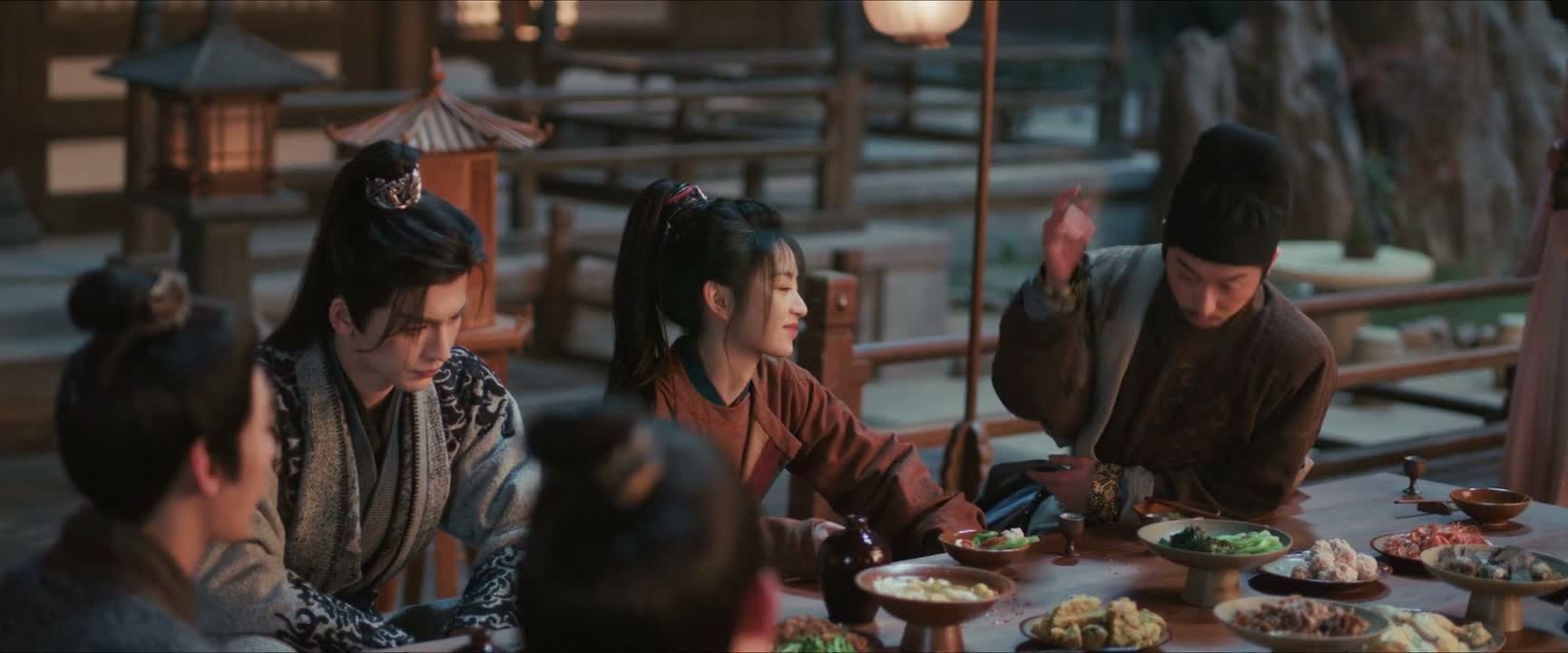
“So I admire you.”

“I truly admire you.”

“It's truly admirable.”
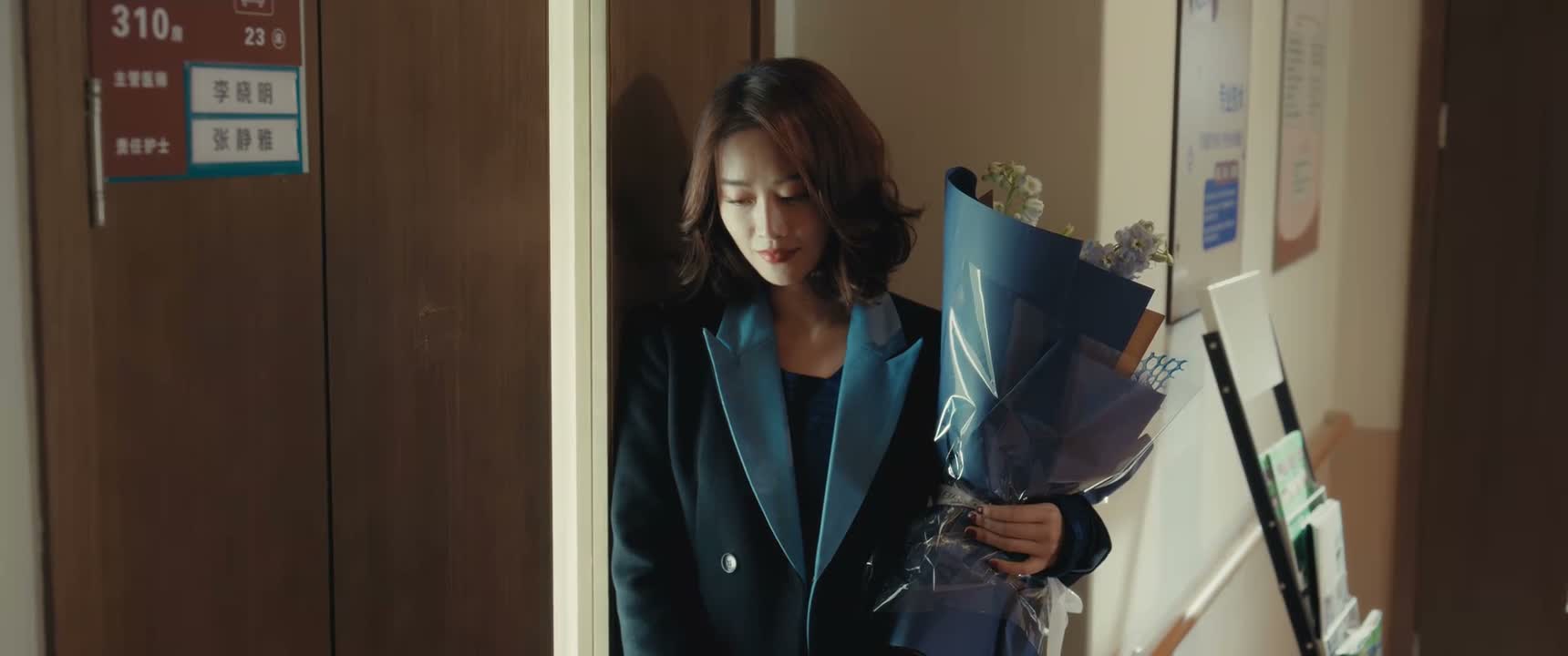
“Mr. Shen, you are really discerning in people.”

“♪ One curtain divides two worlds ♪ I have always admired you.”

“I admire you. Ms. Li, well done.”

“I 'admire' you deeply. You face a few setbacks.”

“Honestly, I admire you.”

“That's why I admire her and revere her.”

“already leaves me far behind.”

“That's why I say she commands my respect.”