我在黔州老家的时候
“when I was back at Qianzhou,”
THE DIALOGUE REEL
以前
“In the past,”
我在 黔州 老家 的时候
“when I was back at Qianzhou,”
“I would secretly slip off to the mass grave to examine corpses.”
Direct spoken expression in this communicative setting.
In Chinese culture, one's 'laojia' carries strong emotional and cultural significance, establishing personal roots and background in conversations.
LEARNING CHUNKS & PARTICLES
hometown / ancestral home
A common noun used when referring to one's native place or family roots.
when / during the time of
Essential time clause marker placed after a verb or clause to establish a timeframe.
VOCABULARY & EXPRESSIONS
Parallel Spoken Cinema Scenes (语义近邻切片)

“It felt like I was back at Qianzhou.”
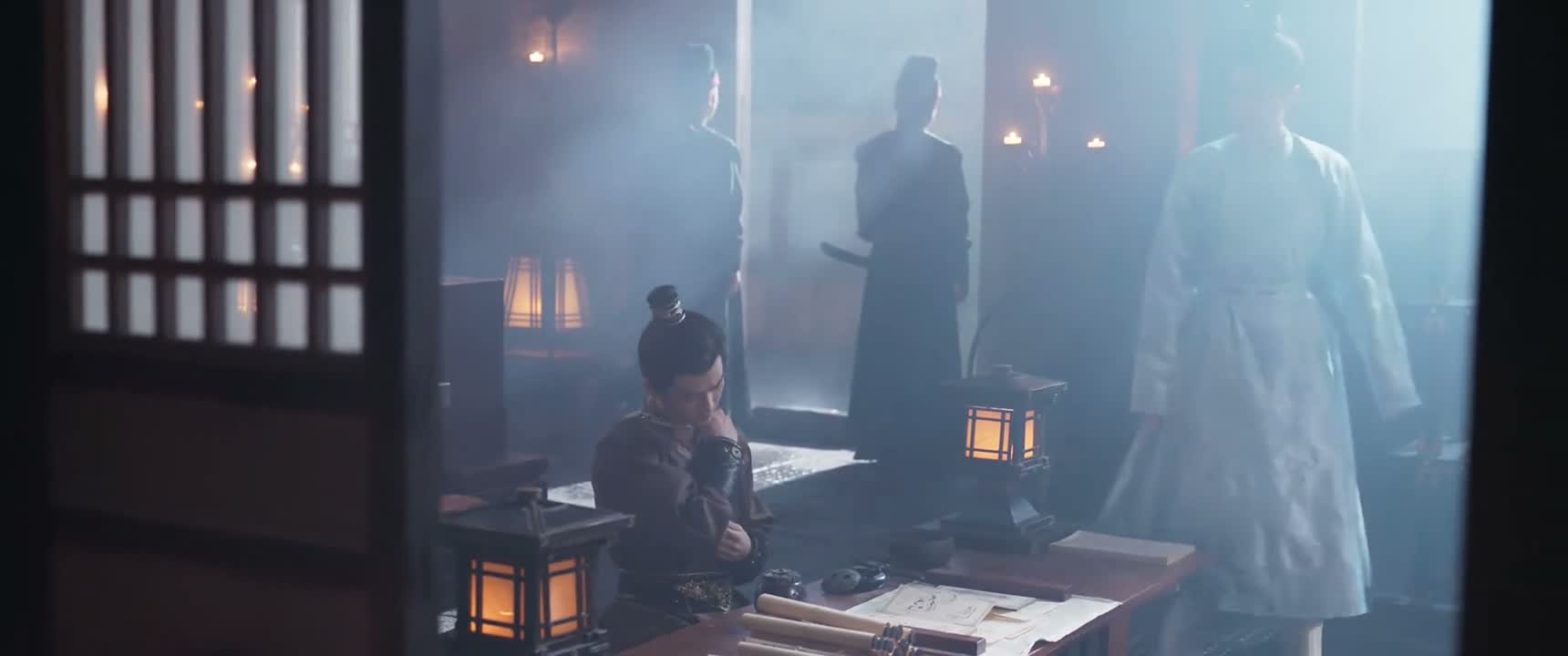
“I did, back when I was in Qianzhou.”
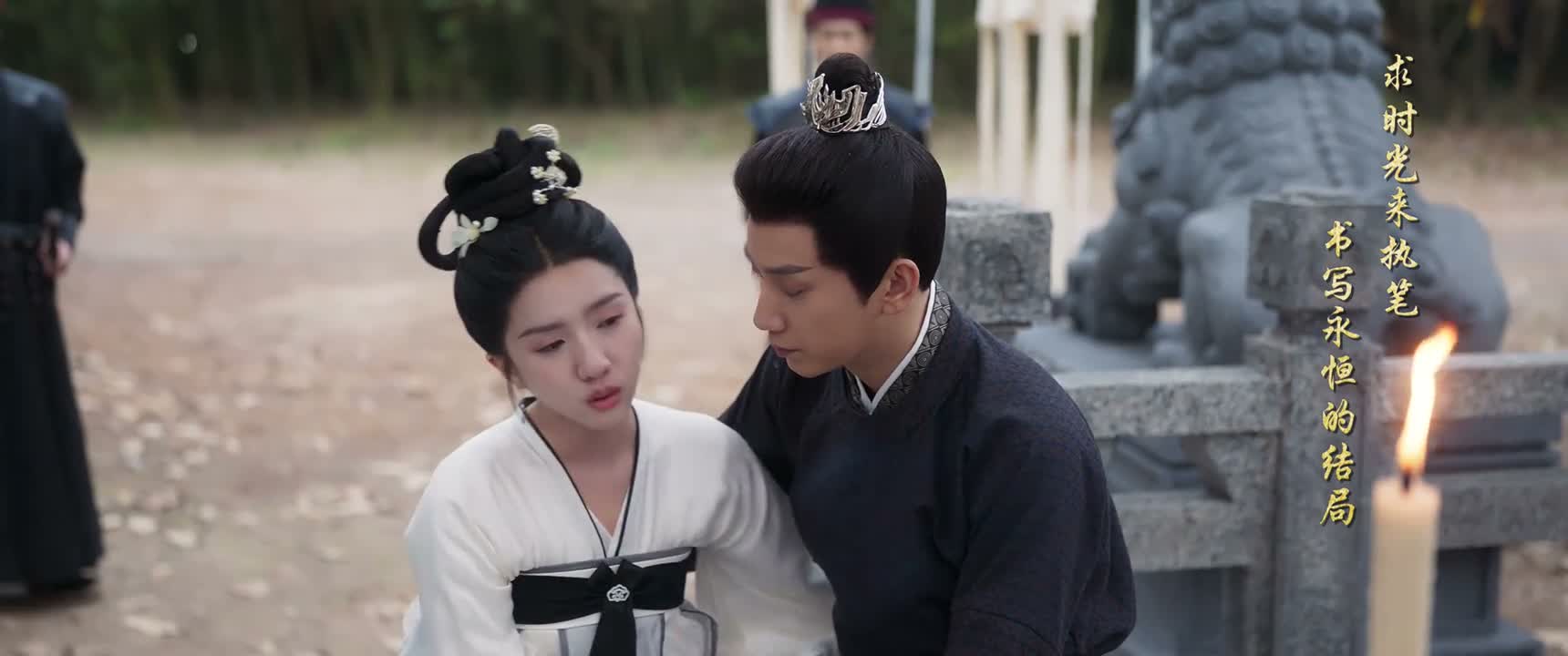
“I've kept dreaming of when we were still in Qianzhou.”

“we went to Qianzhou with Mother”
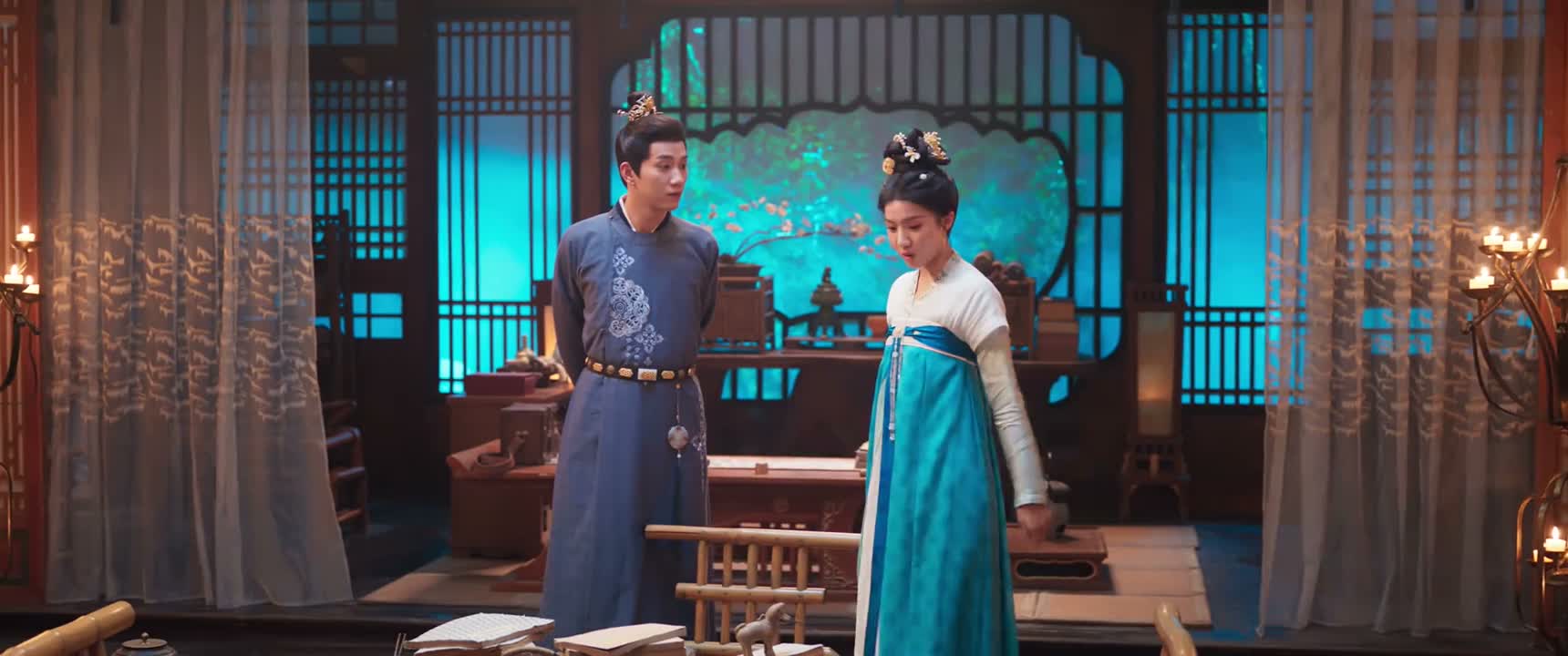
“These are all from my home in Qianzhou.”
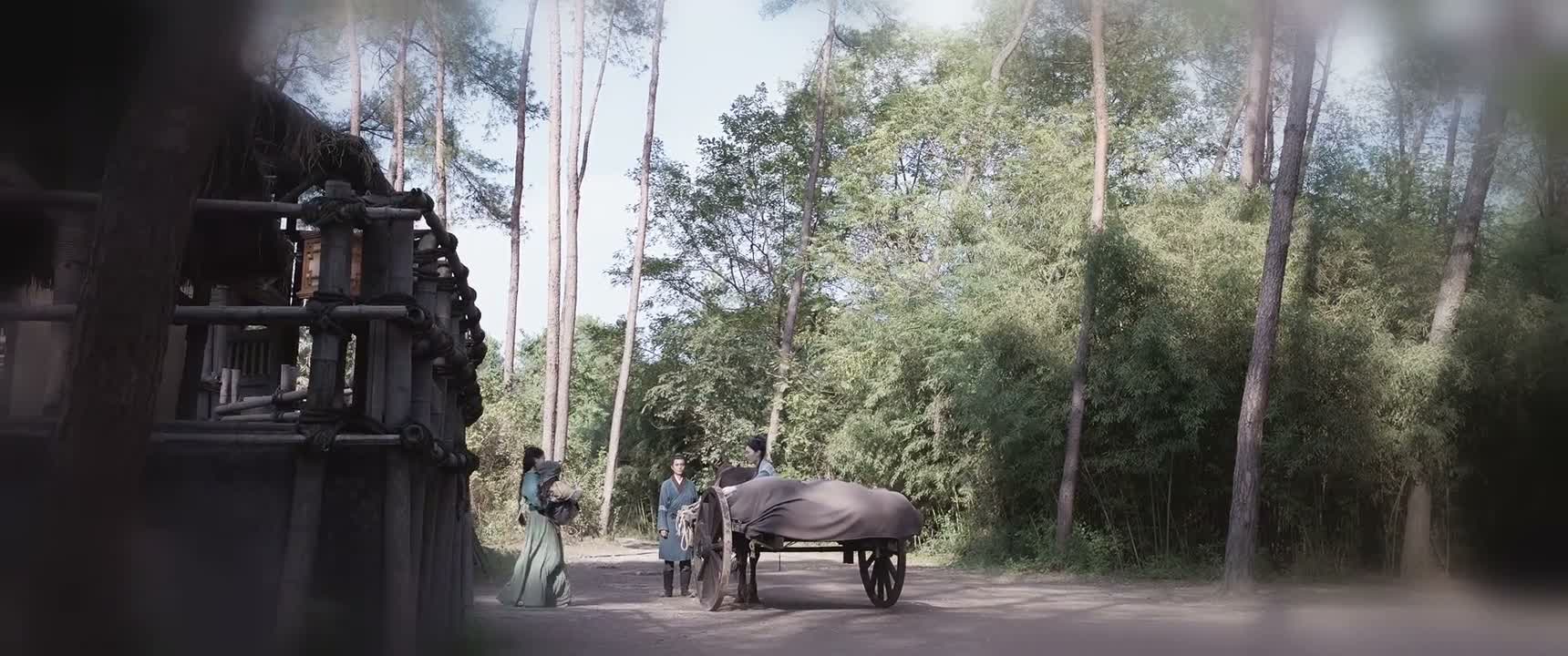
“I have distant relatives in Qianzhou.”