不是也登月了吗
“didn't Armstrong land on the moon?”
THE DIALOGUE REEL
那最后阿姆斯特朗
“And yet,”
不是也 登月 了吗
“didn't Armstrong land on the moon?”
那空中楼阁为什么不可以
“So why can't a "castle in the air"”
“If humans could reach the moon, our ambitious plan isn't impossible either.”
Chinese speakers often use rhetorical questions starting with negative markers to nudge the listener toward a logical consensus without overt confrontation.
LEARNING CHUNKS & PARTICLES
didn't [subject] also...?
A rhetorical pattern used to cite a successful precedent and refute someone's skepticism.
moon landing; to land on the moon
Common compound noun/verb used in contexts discussing space exploration or monumental breakthroughs.
Indicates completion of an action, emphasizing the factual reality of the precedent.
Forms a rhetorical question expecting agreement from the listener.
VOCABULARY & EXPRESSIONS
Parallel Spoken Cinema Scenes (语义近邻切片)

“or go to the moon, so what?”
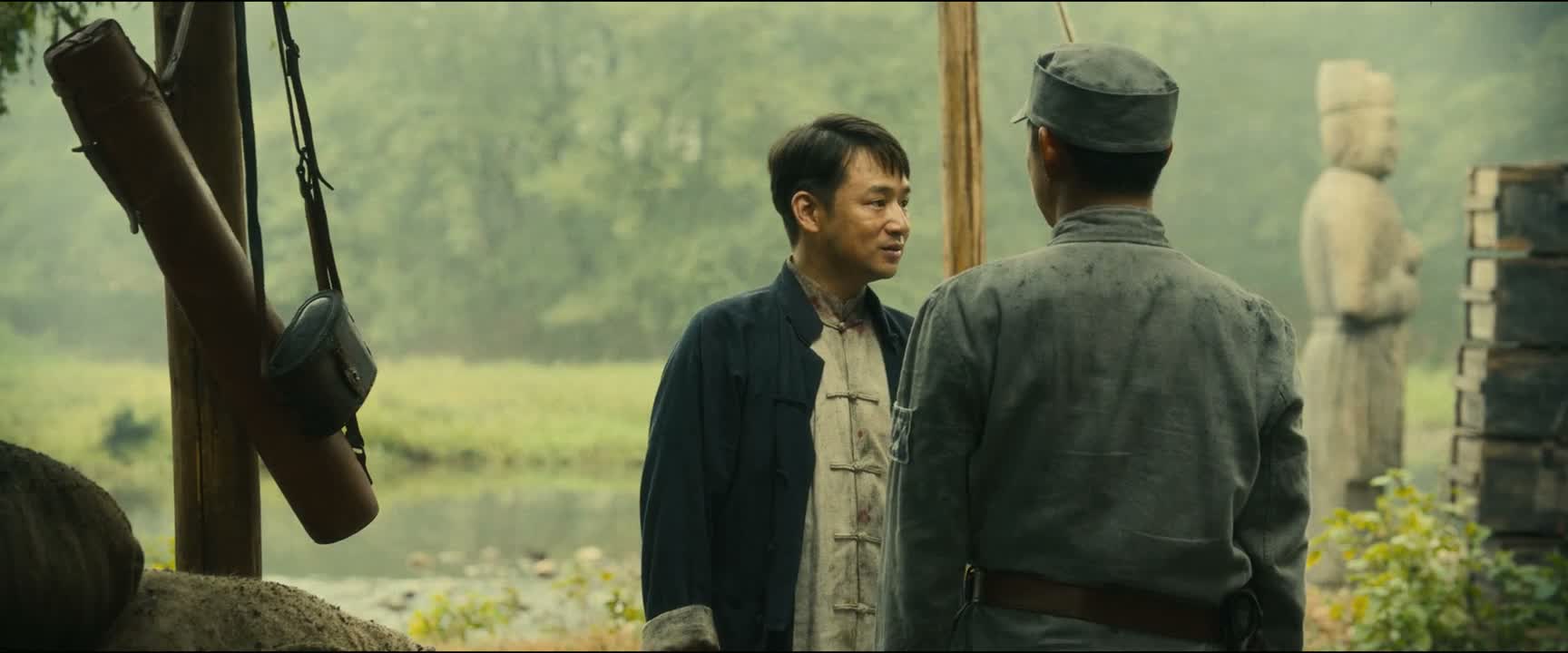
“Isn't it the Mid-Autumn Festival in a few months?”

“So you won't abandon Yuehai, will you?”

“I'm afraid you won't be able to board it.”

“Didn't she go to Nanyang?”

“Even though Yuehai is newly built,”