你好 请问您这儿有人吗 没有没有 谢谢
“Excuse me, is this seat taken? No. Thank you.”
THE DIALOGUE REEL
是有点挤啊
“It is a bit packed.”
你好 请问 您这儿 有人吗 没有没有 谢谢
“Excuse me, is this seat taken? No. Thank you.”
“Why pick this place for training?”
Direct spoken expression in this communicative setting.
Using the honorific pronoun to address a stranger establishes immediate respect and social distance before sharing physical space.
LEARNING CHUNKS & PARTICLES
Excuse me, is this seat taken?
A highly polite and standard formula used in public spaces like training rooms, cafes, or trains to ask if a seat is occupied.
No, not at all.
Reduplication of the negative word softens the tone and sounds friendly and natural in spoken Chinese.
Marks a polite yes-no question to verify the availability of the seat.
VOCABULARY & EXPRESSIONS
Parallel Spoken Cinema Scenes (语义近邻切片)
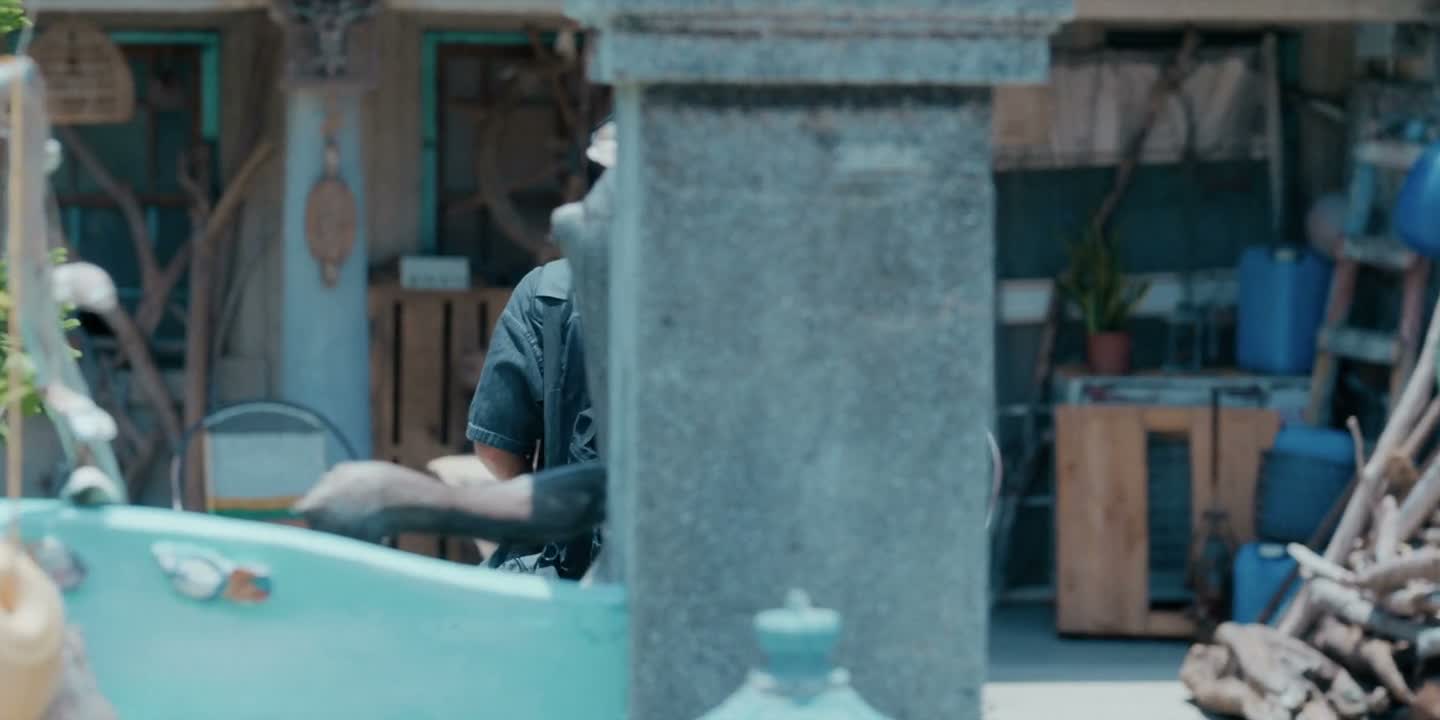
“Anyone here?”
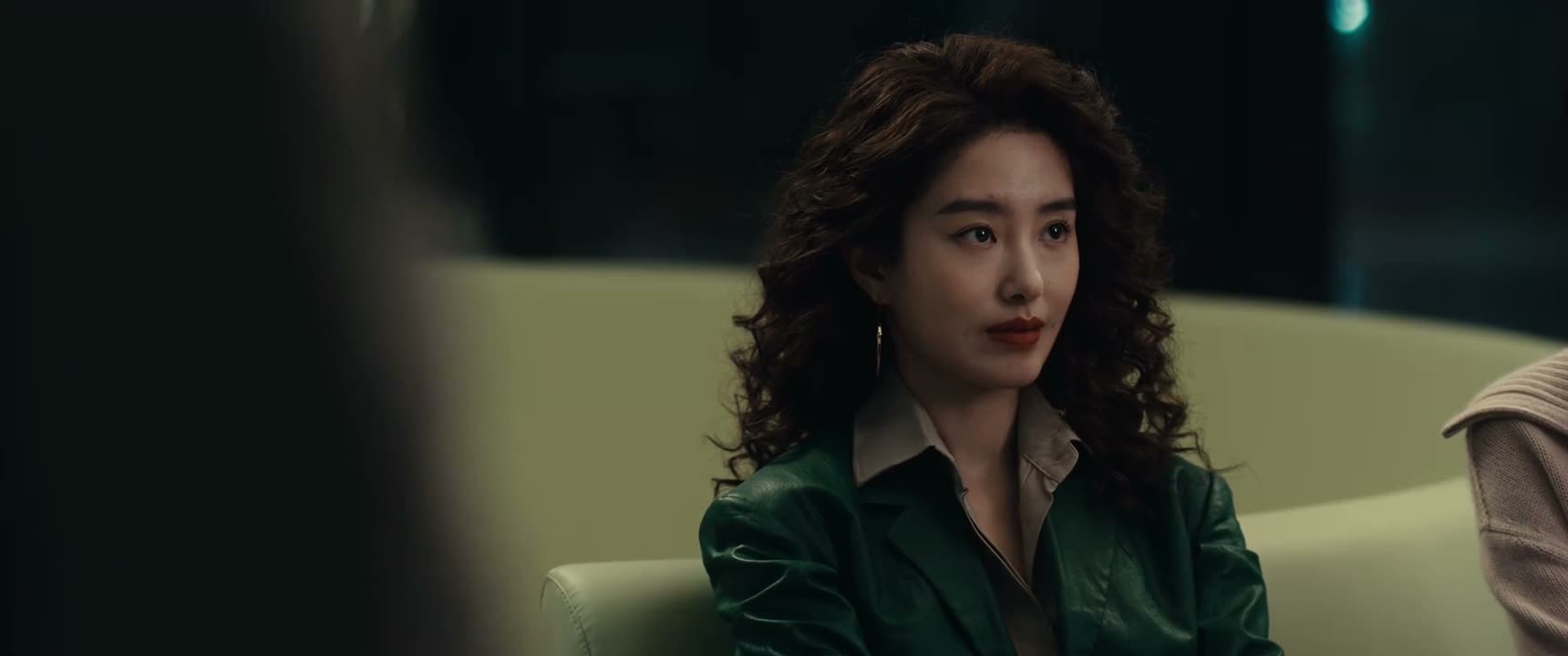
“Why don't you ask if they're free first? Well, if tomorrow doesn't work, then another day.”
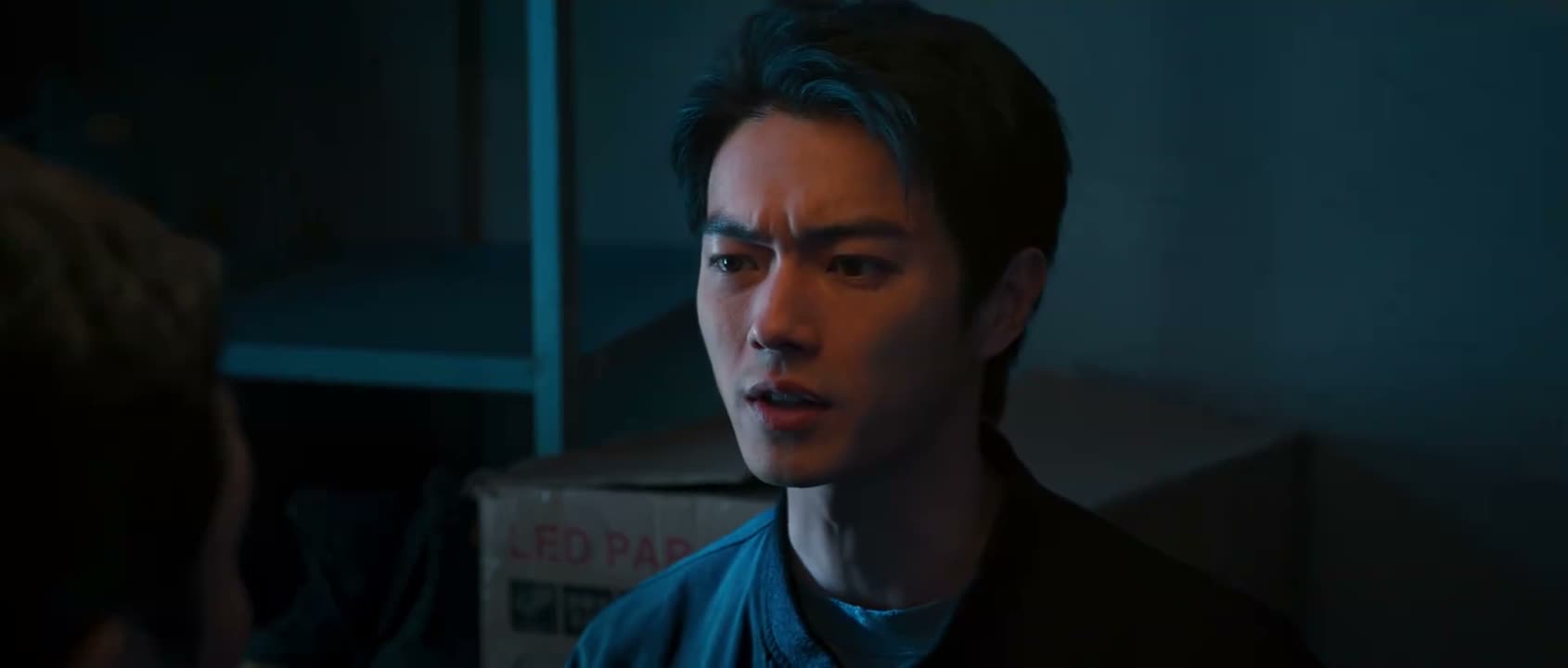
“Where am I supposed to find someone that fast?”
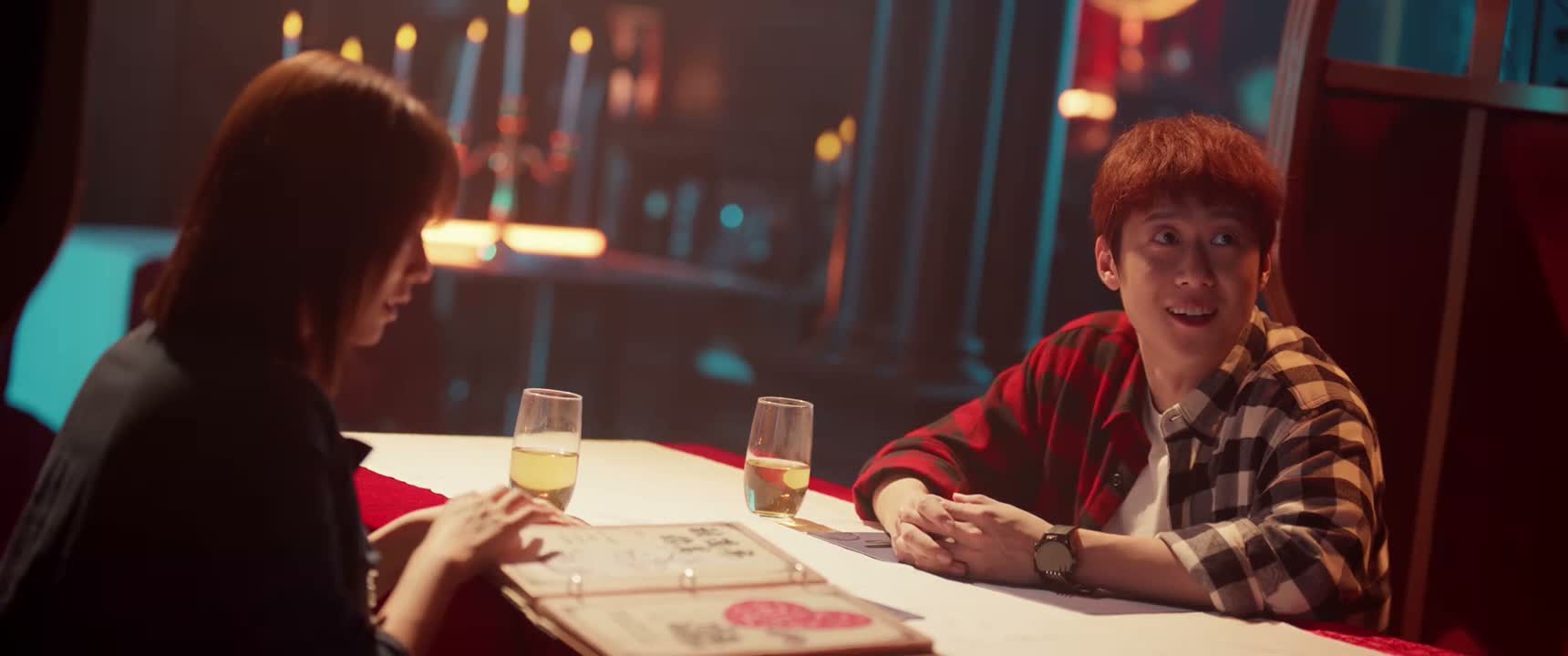
“Excuse me, do you have anything”

“Isn't there a phone number? Call and ask!”

“Hello, do you have an appointment?”