谁对谁错 不是一眼就能看明白吗
“Who's right and who's wrong, isn't it obvious at a glance?”
THE DIALOGUE REEL
这么多年的陈芝麻烂谷子的事 都给你倒腾一遍
“over so many years, all the old grievances.”
谁对谁错 不是 一眼就能看明白 吗
“Who's right and who's wrong, isn't it obvious at a glance?”
杀鸡焉用宰牛刀是吧
“Why use a sledgehammer to crack a nut, right?”
“Stop rehashing all this ancient history; it's plain as day who messed up.”
Chinese speakers frequently employ negative rhetorical questions ('不是……吗') to express strong confidence, dismiss redundant chatter, and seize discursive control.
LEARNING CHUNKS & PARTICLES
who is right and who is wrong
A fixed four-character phrase used when summarizing liability or moral responsibility in a dispute.
clear at a single glance / completely obvious
An idiomatic spoken pattern used to emphasize that something requires no deep explanation or debate.
Marks a rhetorical question to strongly assert an obvious truth.
VOCABULARY & EXPRESSIONS
Parallel Spoken Cinema Scenes (语义近邻切片)

“Of course, it is. Why did he get sick?”
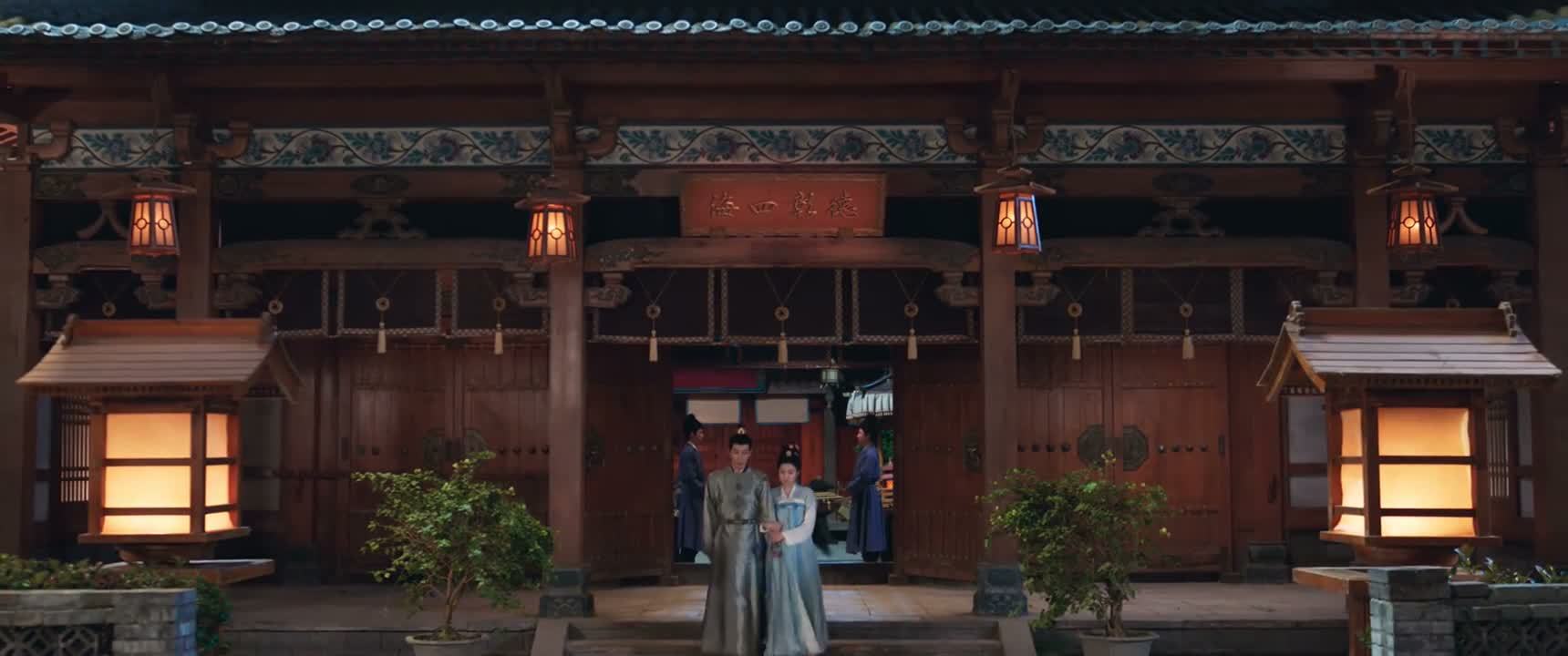
“Still don't know what you did wrong?”

“That's exactly the problem. You're always right. Completely right.”
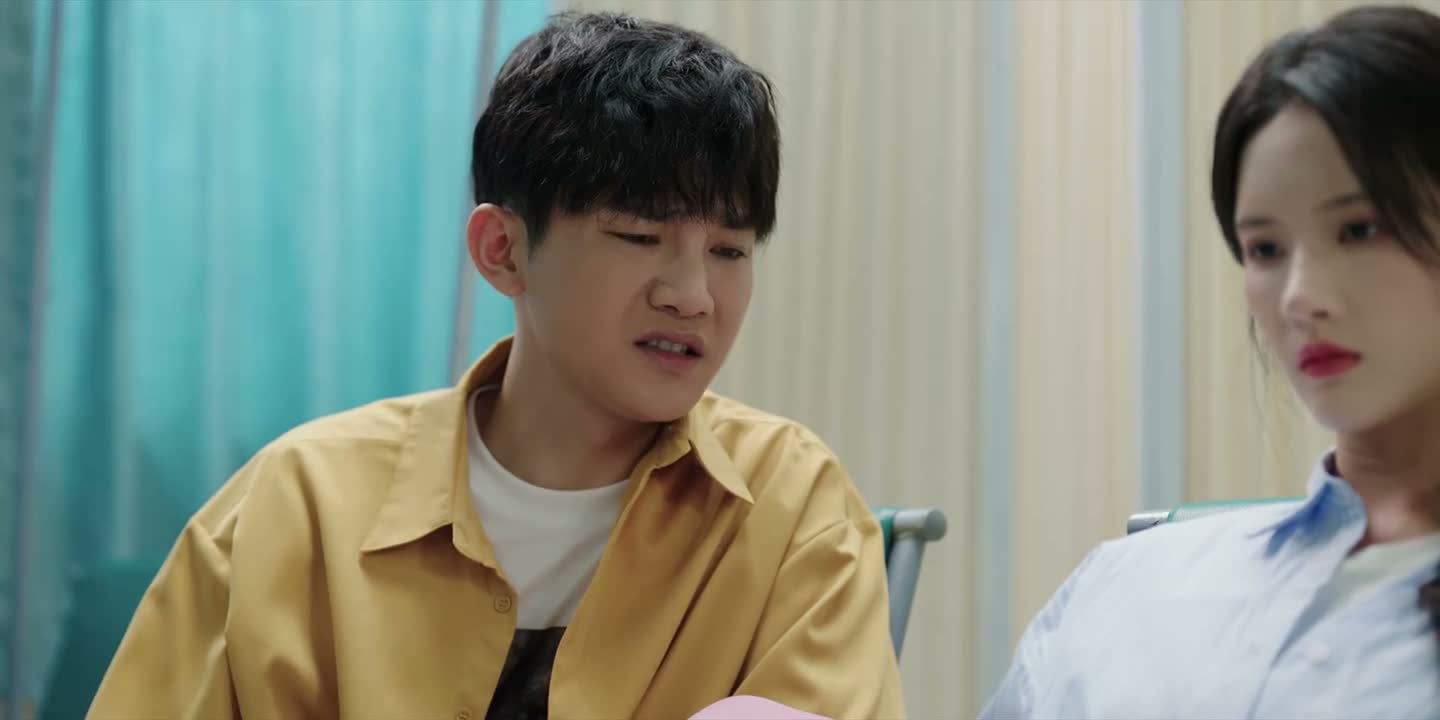
“Who hasn't made a mistake before?”

“You're wrong. You're wrong.”

“I was wrong. I was wrong. What did you do wrong?”