你就给我惹事吧 人家朱姨 对咱家这么信任
“All you do is cause trouble. Auntie Zhu trusts us so much,”
THE DIALOGUE REEL
“I don't have time for your drama.”
你就 给我惹事 吧 人家 朱姨 对 咱家 这么 信任
“All you do is cause trouble. Auntie Zhu trusts us so much,”
你可倒好 不是 妈 你不能这么怪我呀
“yet look at what you've done. No, Mom, you can't blame me.”
“You have embarrassed our entire family and made me lose face in front of Aunt Zhu.”
In Chinese culture, personal misbehavior often reflects poorly on the entire household, potentially ruining mutual trust (renqing) cultivated between family friends.
LEARNING CHUNKS & PARTICLES
to cause trouble
Use this spoken term when referring to someone stirring up problems or creating unnecessary complications.
just keep doing (undesirable action)
A common sarcastic structure used by parents or close relations to warn or rebuke someone for persistent misbehavior.
Conveys sarcastic surrender or exasperation, emphasizing the speaker's disapproval.
VOCABULARY & EXPRESSIONS
Parallel Spoken Cinema Scenes (语义近邻切片)

“Causing trouble! I won't do it again, Ju. You liar!”

“It may cause more trouble.”
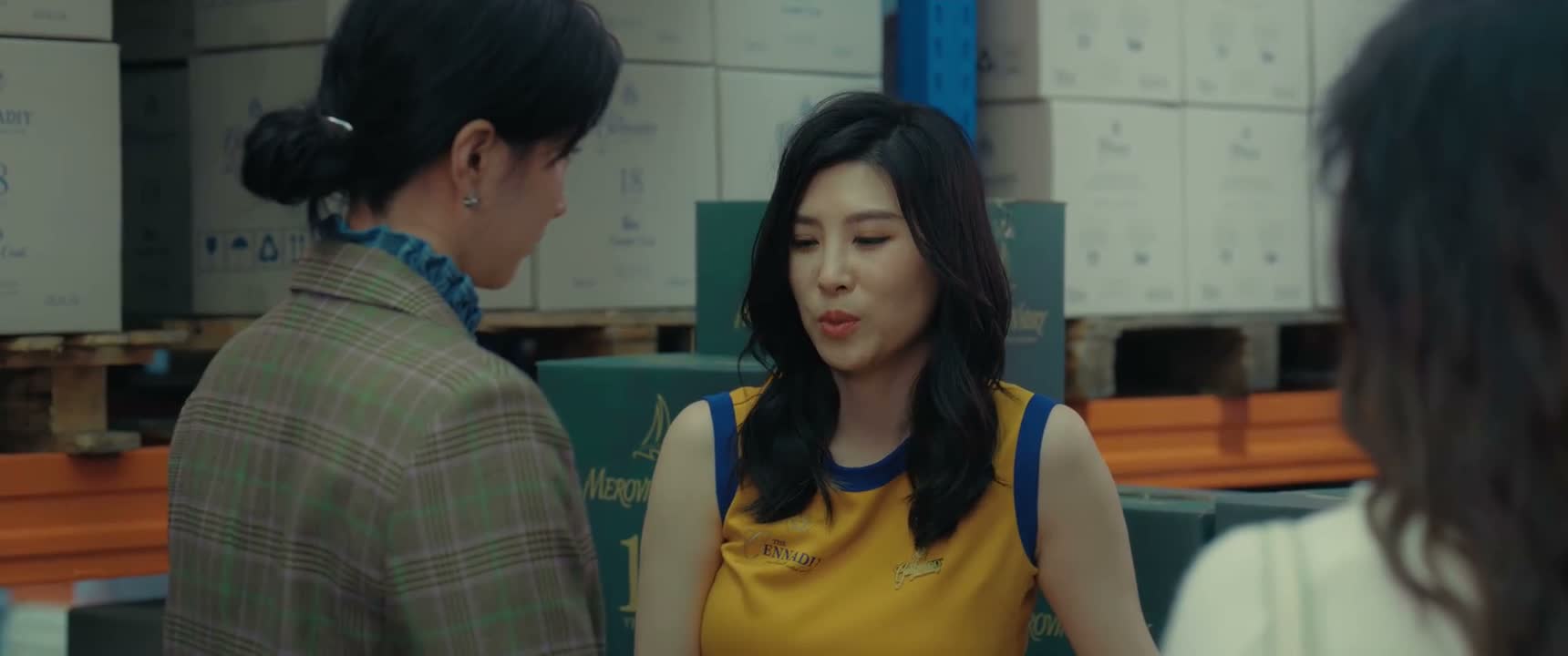
“I'm sorry for causing trouble again.”

“I... I caused trouble for you again.”

“Maybe I messed up way too badly this time.”

“and got into a lot of trouble. You need to speak with a conscience.”