我之前还是太自以为是了
“I was far too self-righteous before.”
THE DIALOGUE REEL
也想跟您道个歉
“And I also want to apologize.”
我 之前 还是 太 自以为是 了
“I was far too self-righteous before.”
您反复跟我强调调解的重要性
“You kept emphasizing the importance of mediation,”
Direct spoken expression in this communicative setting.
Openly admitting fault and adopting a self-deprecating stance is highly valued in Chinese hierarchical environments to show respect and openness to learning.
LEARNING CHUNKS & PARTICLES
opinionated; self-righteous; presumptuous
A four-character idiom frequently used in formal or spoken self-criticism to admit arrogance.
still too...; in retrospect was too...
Used when reflecting on past actions and recognizing personal deficiencies.
Marks realization or change of state regarding the speaker's past attitude.
VOCABULARY & EXPRESSIONS
Parallel Spoken Cinema Scenes (语义近邻切片)
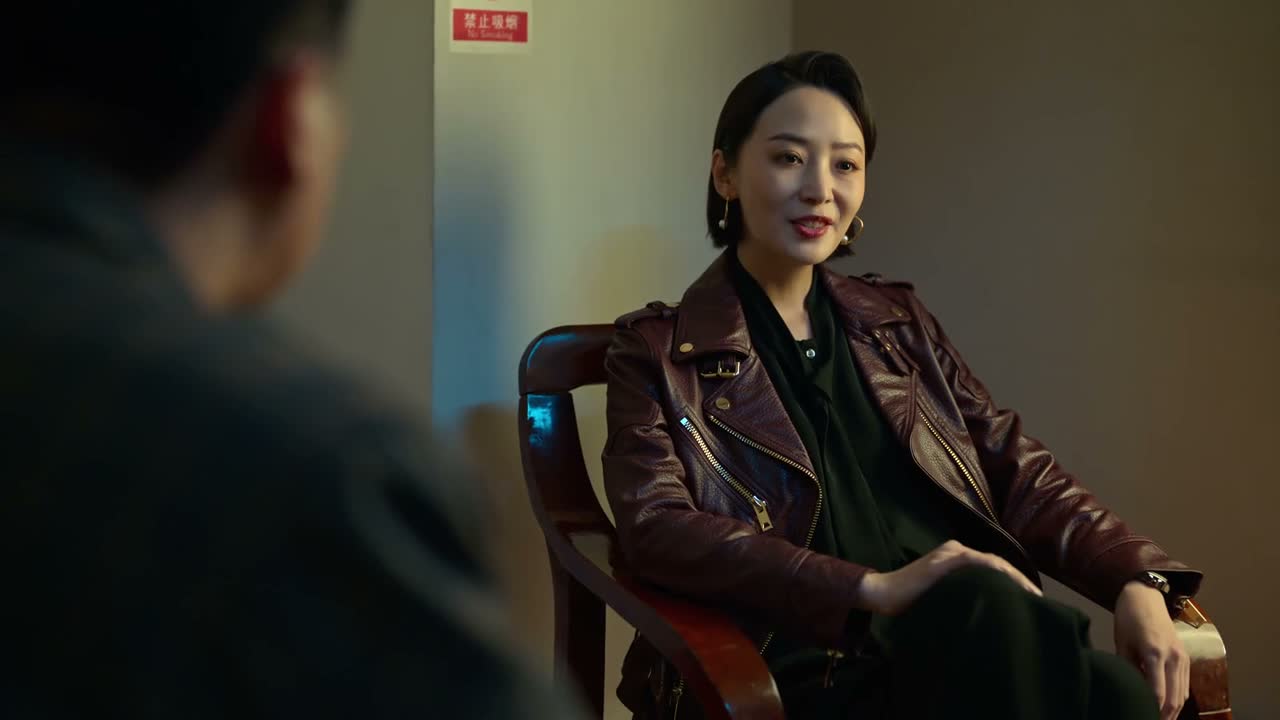
“He is just too confident in his own judgment.”

“At least, that's what I believed.”

“Perhaps I'm just too full of myself. There is a chance”

“a little too self-righteous?”

“Before, I was obstinate. I am sorry for what I did.”