你和阿克拉姆不是刚刚去过吗?
“Weren't you just there?”
THE DIALOGUE REEL
只有出于绝望才会这么做 你明天要去一趟穆尔
“[snickers] Only out of desperation. You are gonna go up to Mhòr tomorrow.”
你和阿克拉姆 不是 刚刚 去过吗 ?
“Weren't you just there?”
没错 那里太美了 我们觉得你也应该去看看
“We were. And it was so pretty, we thought that you should see it too.”
“Why should I have to go when you two literally just came back from there?”
In Chinese communicative culture, pointing out recent precedents or redundancy is a common indirect tactic to resist unwanted assignments.
LEARNING CHUNKS & PARTICLES
didn't [someone] just...?
A rhetorical question pattern used to point out a recent occurrence and implicitly challenge a suggestion.
have been to
Used with experiential aspect marker 'guo' to indicate past experience of visiting a place.
Forms a rhetorical confirmation question indicating mild surprise or challenge.
VOCABULARY & EXPRESSIONS
Parallel Spoken Cinema Scenes (语义近邻切片)

“I take it you've met Akram.”
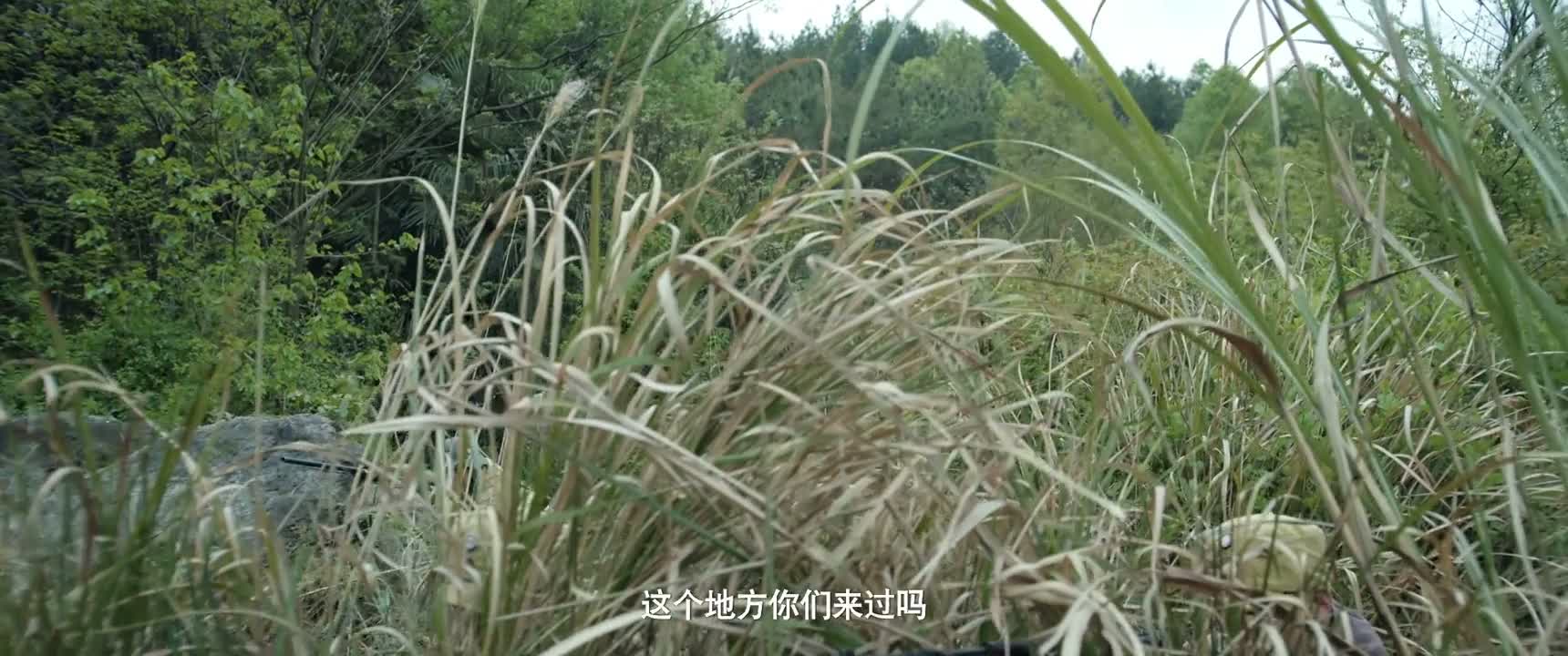
“Have you been to this place before?”
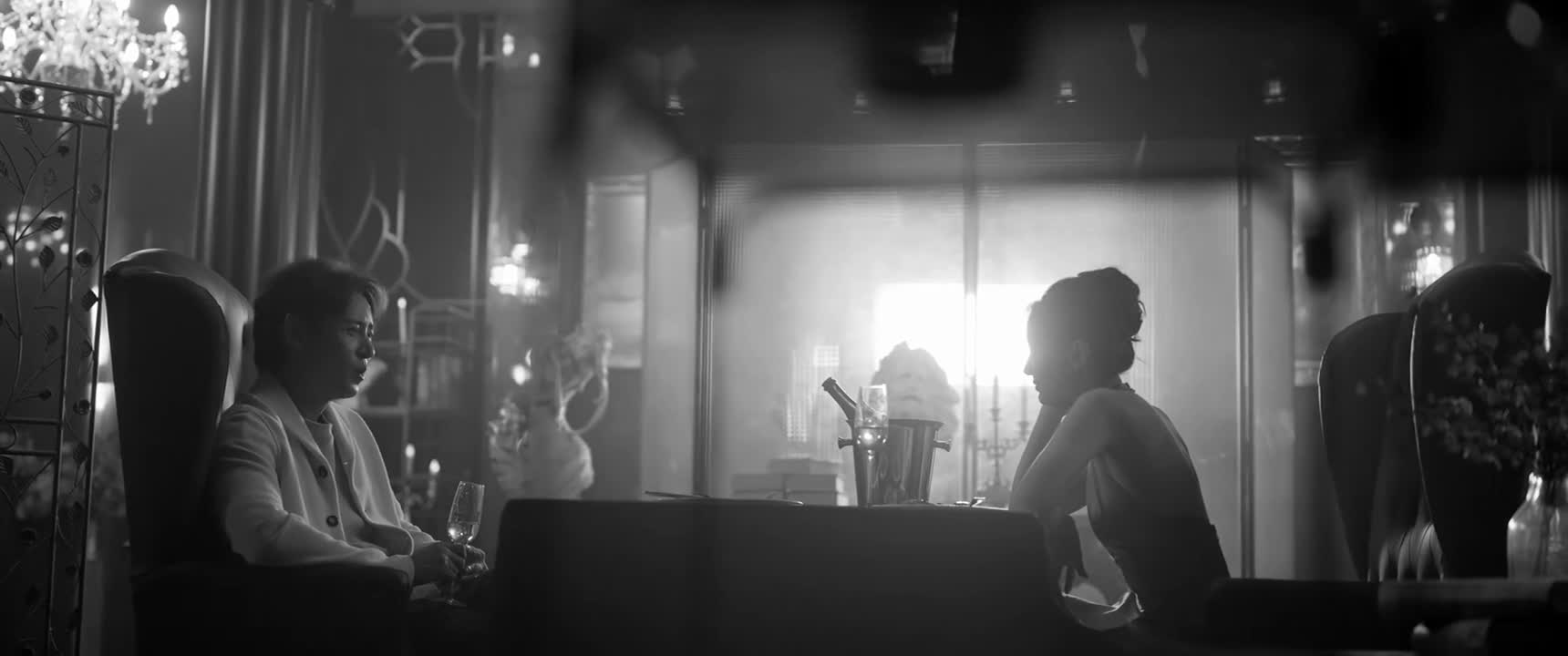
“Have we met somewhere before?”

“Didn't I just mention him?”

“I was just passing by.”
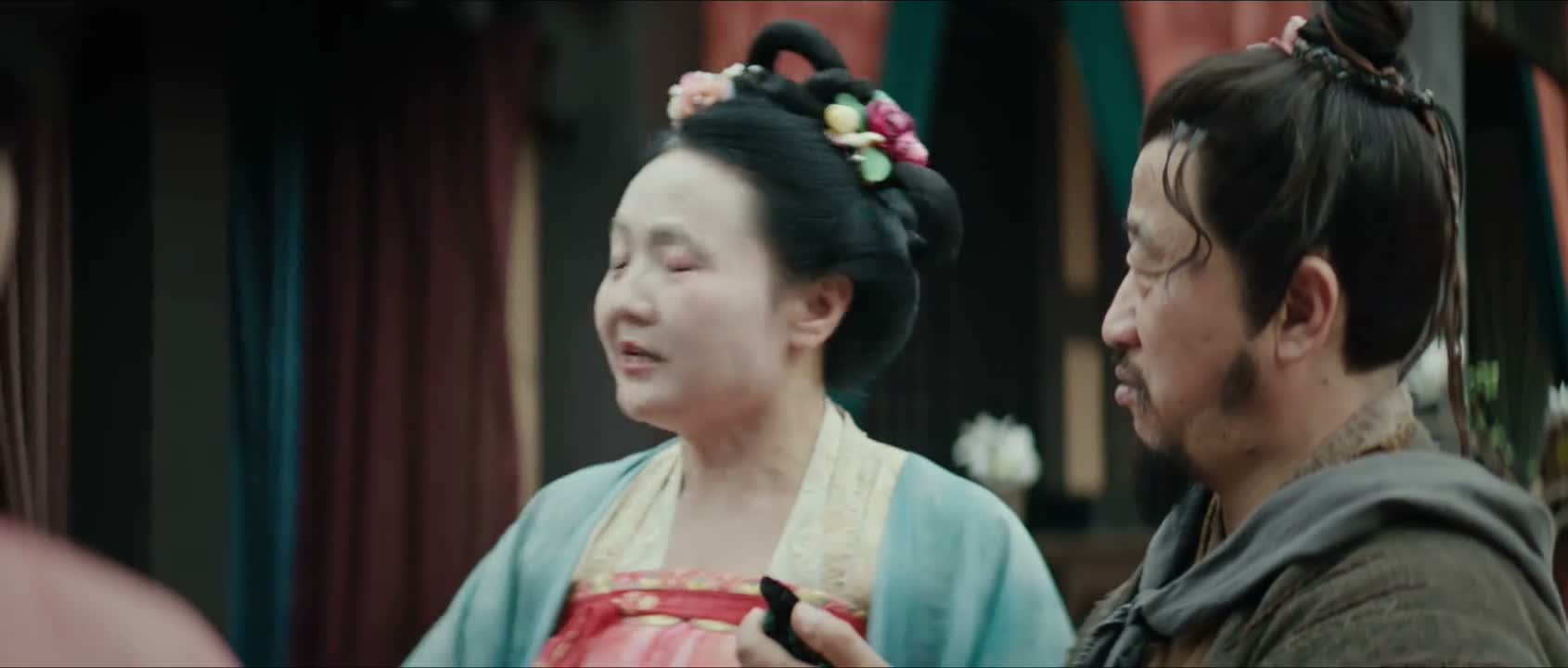
“Everyone has seen it.”