那岂不是要等到 设计竞赛结束之后 才能搬出去
“So that means we have to wait until the design competition is over before moving out?”
THE DIALOGUE REEL
难怪非要住到弄堂里来 一开始就为了那谢林啊
“No wonder he insisted on living in this lane. It was for Xie Lin all along.”
那 岂不是 要 等到 设计竞赛结束之后 才能 搬出去
“So that means we have to wait until the design competition is over before moving out?”
那
“Well...”
“You mean I am stuck living here until this whole competition is over?”
Chinese speakers frequently use rhetorical constructions like '岂不是' to voice grievance or highlight an impractical consequence without directly accusing someone.
LEARNING CHUNKS & PARTICLES
wouldn't that be; does that not mean
Used in rhetorical questions to point out an undesirable or absurd logical consequence.
move out
A common directional verb compound used when talking about vacating a residence.
VOCABULARY & EXPRESSIONS
Parallel Spoken Cinema Scenes (语义近邻切片)

“I'll give everyone a break after the design competition concludes.”

“that you'd dump the architectural design on someone else.”

“you'd have to go to a design institute after graduating, right?”
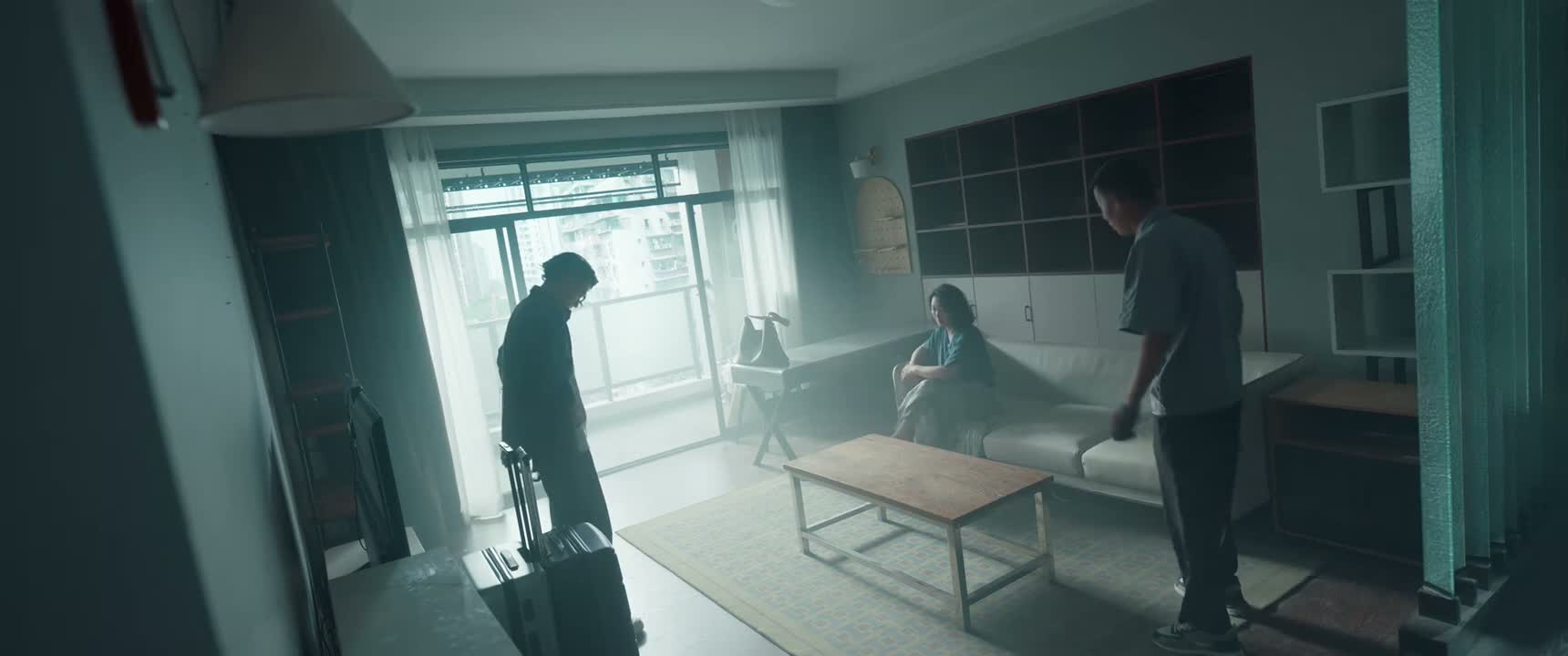
“Take it. Take anything you see.”

“If you only have design, you won't go far.”

“the planning of highways. Next is demolition.”