我不知道是怎么了
“I don't know what came over me.”
THE DIALOGUE REEL
我刚才没有控制住自己
“I lost control.”
我不知道 是怎么了
“I don't know what came over me.”
亲爱的
“Honey,”
“Please don't be mad at me; I felt completely overwhelmed and lost control.”
Expressing helplessness or confusion about one's own outburst is a common conversational tactic in Chinese intimate dynamics to disarm the other party's anger.
LEARNING CHUNKS & PARTICLES
don't know what came over me / don't know what went wrong
A natural spoken phrase used when trying to soften blame or explain strange, sudden behavior.
Indicates a newly emerged change in state or situation that the speaker cannot explain.
VOCABULARY & EXPRESSIONS
Parallel Spoken Cinema Scenes (语义近邻切片)
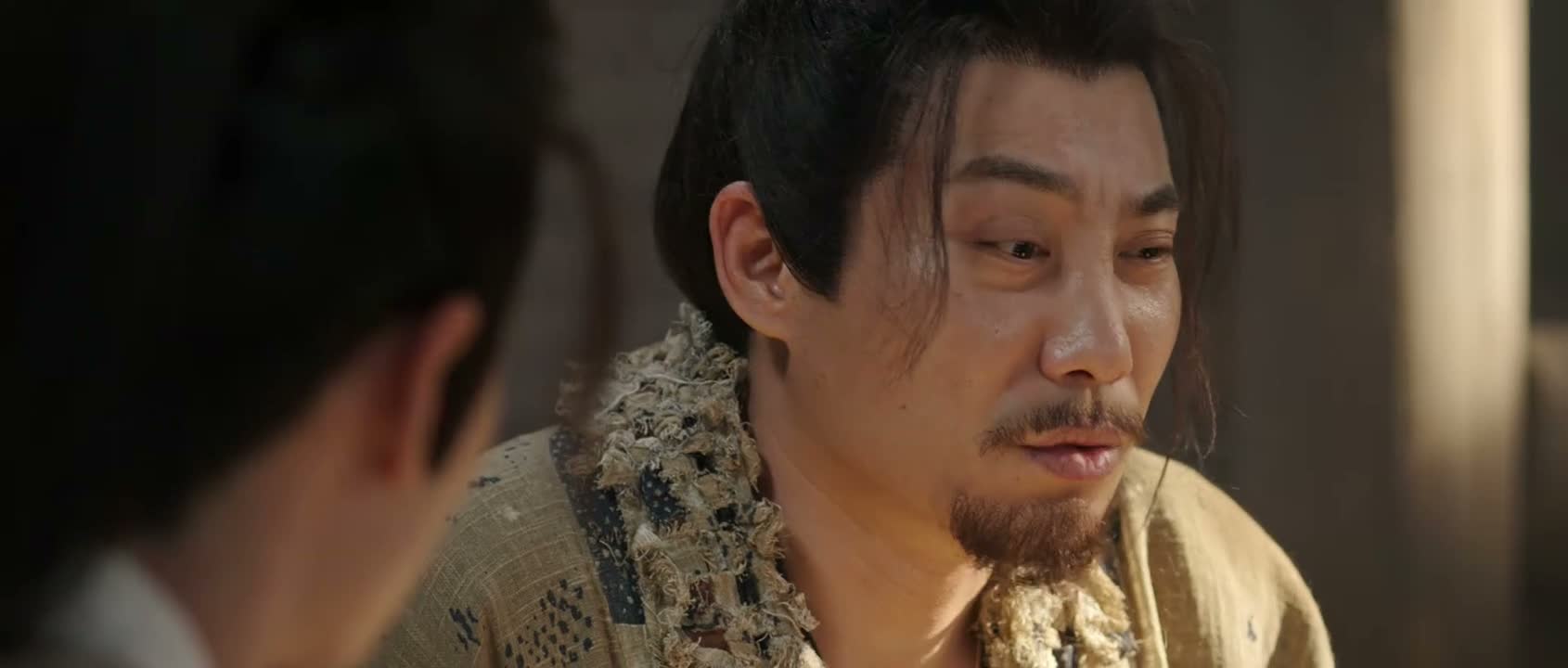
“But lately, they somehow started”

“Why didn't we know this before?”
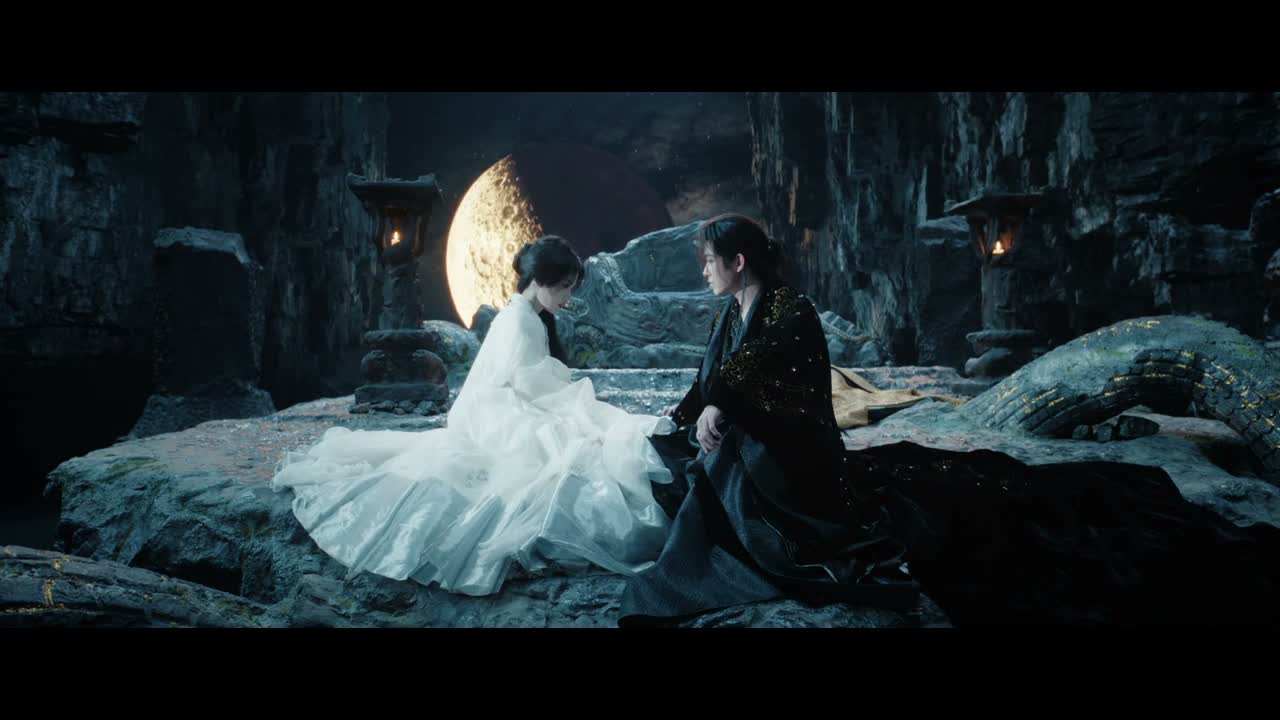
“But I don't know why”

“I don't know why. Perhaps it's my intuition.”
“I just don't understand.”

“I wonder how that man's doing now.”

“No idea what was going on today.”

“I don't know when it was,”

“I wonder why he's here.”

“I don't know how to buy them.”

“But I don't know the details. I just overheard them chatting on WeChat.”

“I don't know why, but it burned out.”

“We don't know why,”

“I don't know what got into her today.”

“Because I didn't know what was going on back then.”

“Could it be a cerebral infarction? It can't be. I don't know.”

“But I don't know what's going on.”

“I don't know what to do now.”

“But recently, for some reason,”

“I didn't know what to do.”

“and I don't know why.”

“Then I don't know what happened.”

“I really don't know what happened.”