你觉得你的工作很重要 就是精神失常的前兆
“if you think your work is important, it's a sign that you're going mad.”
THE DIALOGUE REEL
“A veteran writer named Russell once said,”
你觉得 你 的 工作 很重要 就是 精神 失常 的 前兆
“if you think your work is important, it's a sign that you're going mad.”
你要好好享受
“You need to enjoy.”
“Stop stressing yourself out over this job; it really is not worth losing your mind over.”
Citing Western philosophers like Bertrand Russell to satirize overwork is a popular coping trend among contemporary Chinese youth facing severe workplace burnout.
LEARNING CHUNKS & PARTICLES
mental breakdown / nervous derangement
A clinical-sounding phrase often used hyperbolically in colloquial speech to describe extreme mental instability.
precursor / harbinger / early sign
Commonly used in formal and spoken contexts to describe a warning sign of a bad outcome.
VOCABULARY & EXPRESSIONS
Parallel Spoken Cinema Scenes (语义近邻切片)

“She fell ill from depression.”

“but fooling professional psychiatrists isn't.”

“More and more of them are having mental health issues.”
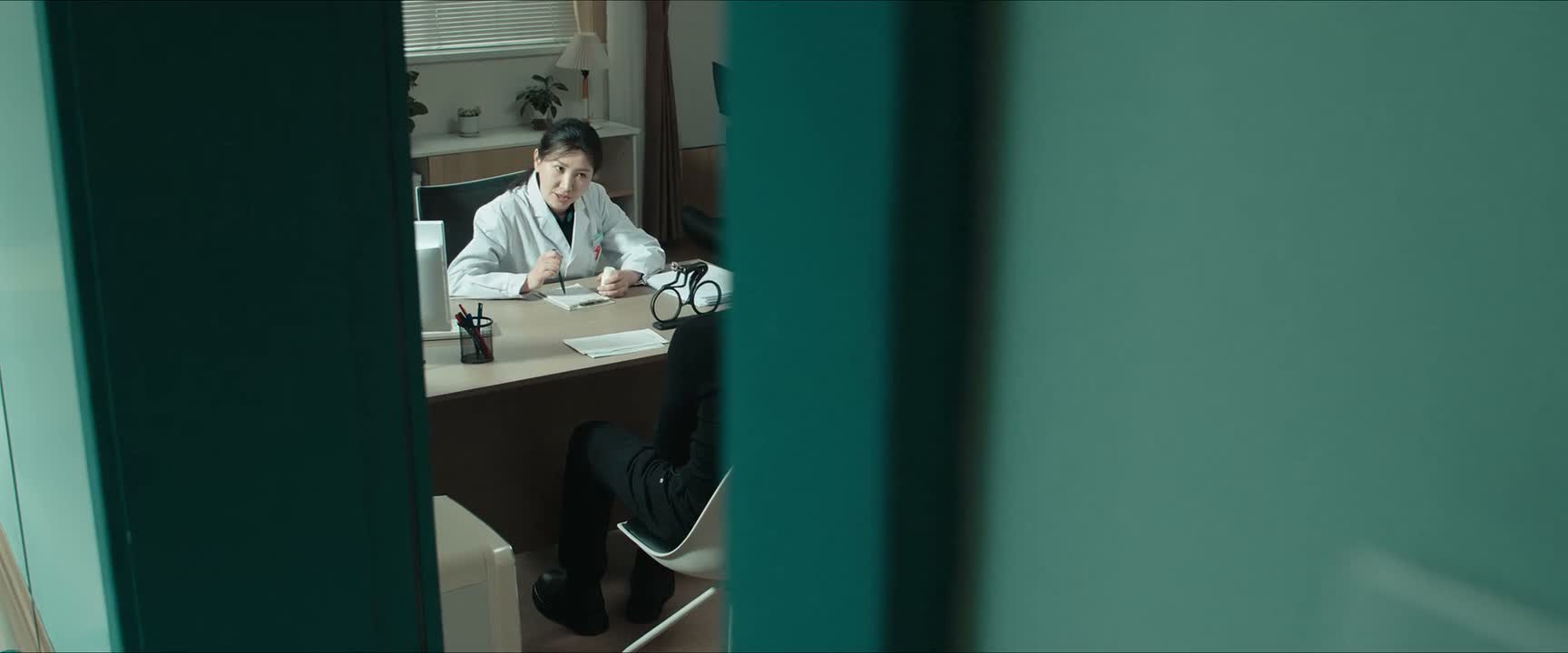
“you can stop thinking about your work for now. Clear your mind, calm your emotions,”

“You said you're really busy with work. ♪ I need you maybe ♪ Moreover, unexpected incidents”

“You must pay attention to their mental state.”