少多管闲事 太欺负人了他们 凭什么答应
“Stop meddling. They are too much of a bully. Why should we agree?”
THE DIALOGUE REEL
他们答应不答应 不答应 不答应 不答应
“if they agree. No! No! No!”
少 多管闲事 太欺负人了 他们 凭什么 答应
“Stop meddling. They are too much of a bully. Why should we agree?”
滚出去
“Get out!”
Direct spoken expression in this communicative setting.
Saying 'tai qifu ren le' expresses a fundamental moral grievance against abuse of power or unfair exploitation.
LEARNING CHUNKS & PARTICLES
mind your own business; stay out of this
A blunt, confrontational warning telling someone to stop meddling in an affair.
to bully someone; to take advantage of someone
Used to express deep indignation when facing unfair treatment or oppression.
on what grounds; why should (someone)
Rhetorical question challenging the legitimacy or fairness of a demand.
VOCABULARY & EXPRESSIONS
Parallel Spoken Cinema Scenes (语义近邻切片)

“but really, she was just a busybody.”

“Mind your own business. She came on her own.”
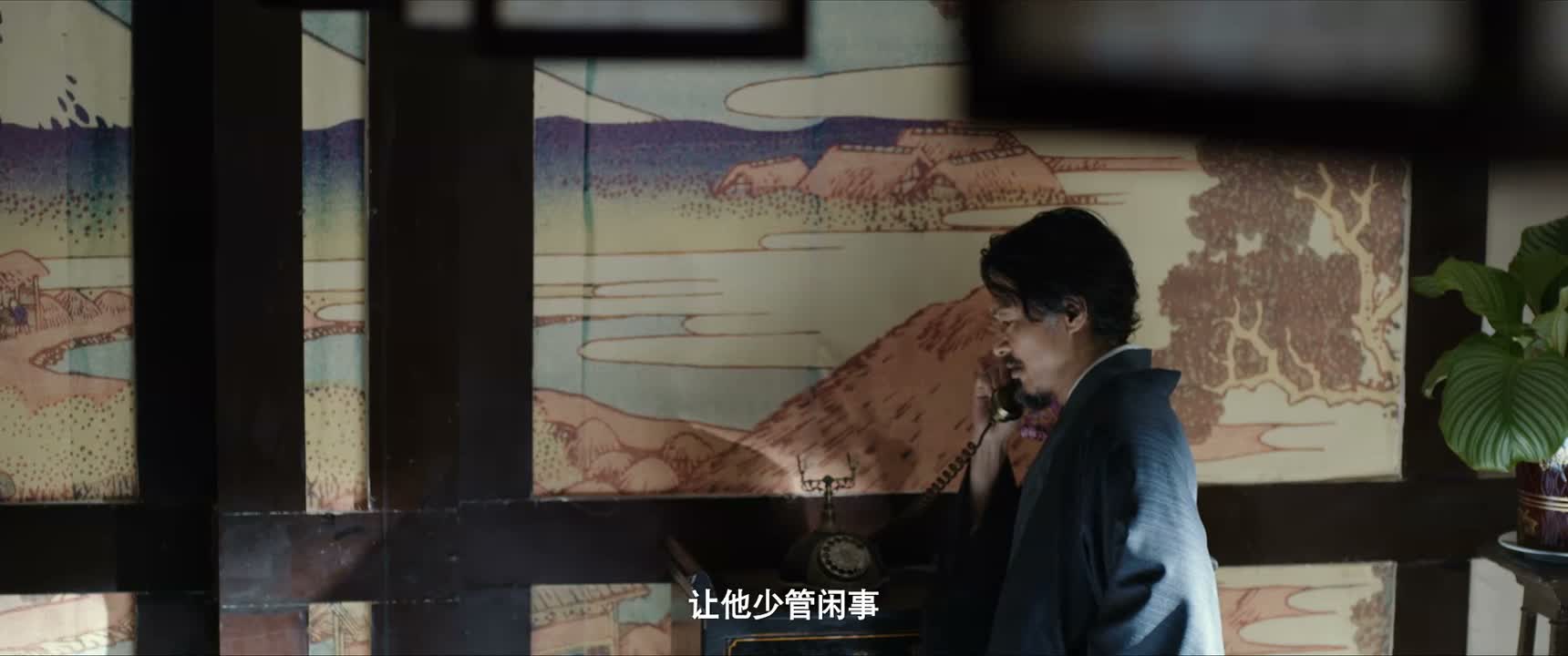
“Tell him to mind his own business.”

“Who are you to stick your nose in? Leave now!”

“When this nosiness is useful to you, you accept it.”

“Why did he have to play hero?”

“Why do all of you like being nosy?”
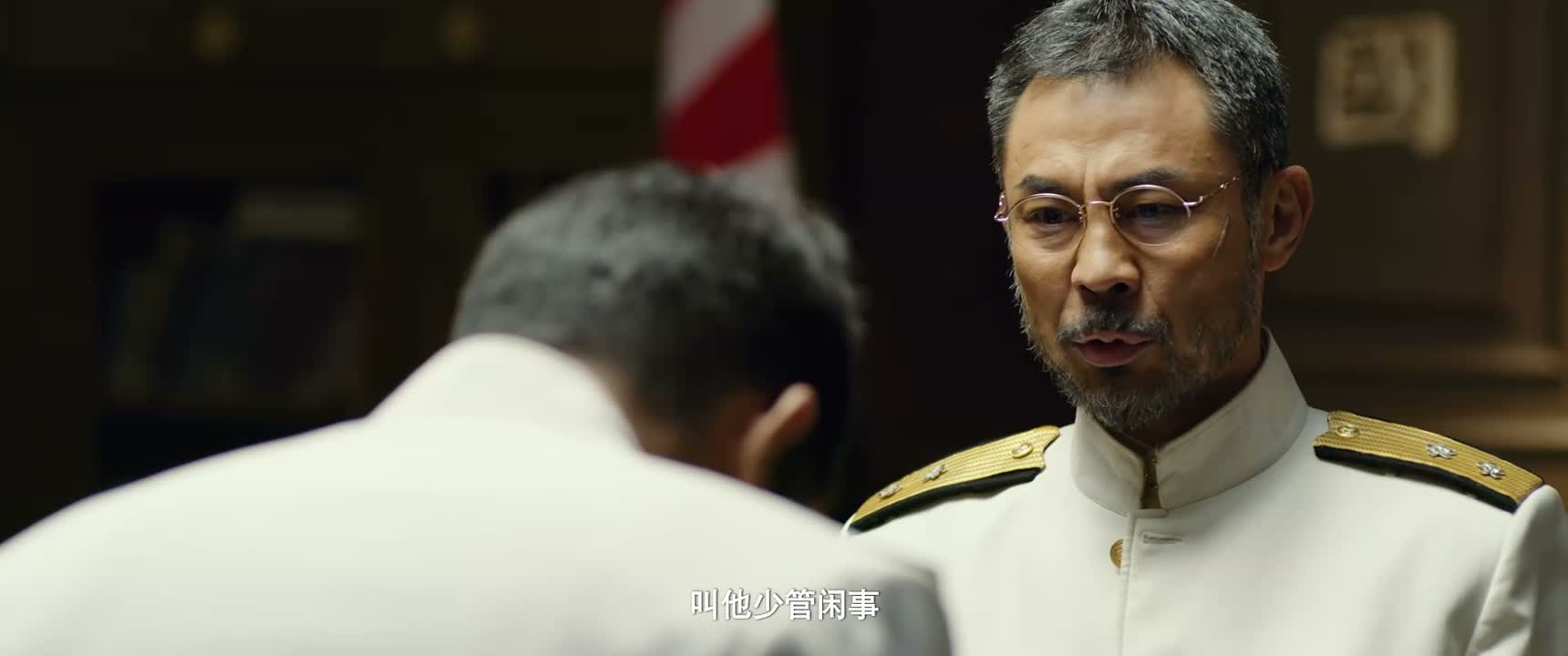
“Tell him to mind his own business.”
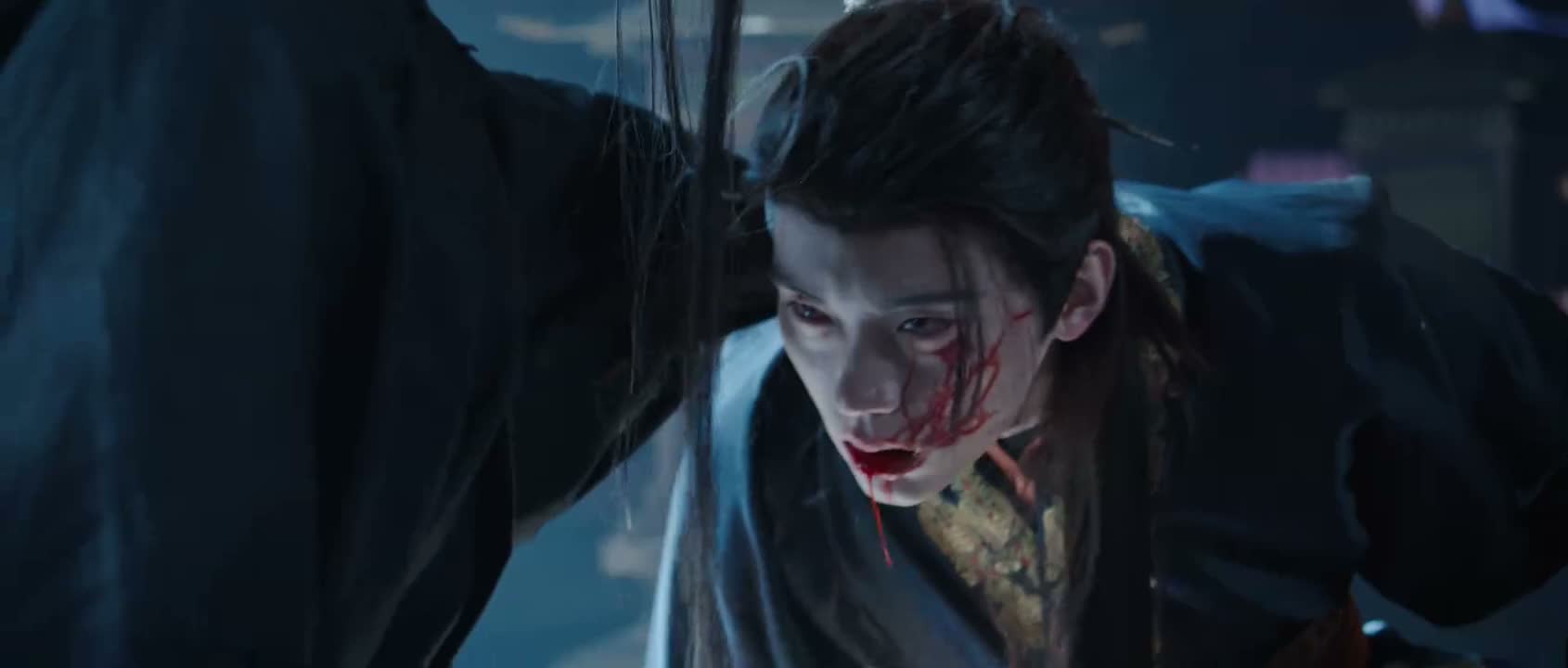
“Since you love meddling so much,”

“I'd just be meddling. Why would I do that?”

“Why are you so nosy?”