听不着是吧 听不着是吧 再说 再说话
“Are you deaf or what? Stop chatting!”
THE DIALOGUE REEL
“Short ones here, tall ones there. Move.”
听不着 是吧 听不着 是吧 再说 再说话
“Are you deaf or what? Stop chatting!”
看看你们像个啥样子
“Look at the state you're all in.”
“Shut your mouths right now or you will face serious consequences.”
In Chinese disciplinary contexts, teachers or drill instructors frequently use inverse encouragement ('Go ahead, keep talking!') as an aggressive rhetorical device to enforce absolute silence through intimidation.
LEARNING CHUNKS & PARTICLES
can't hear / unable to hear
Northern colloquial potential complement form equivalent to '听不见'.
talk more / keep talking (ironic warning)
Here used as an imperative dare meaning 'just try talking again', signaling an imminent reprimand.
Used rhetorically to create an aggressive, challenging question demanding submission.
VOCABULARY & EXPRESSIONS
Parallel Spoken Cinema Scenes (语义近邻切片)

“I want to talk now. Are you listening?”

“If you can't, just think of it as I'm talking to myself.”

“Are you listening?”

“Can't you hear me?”
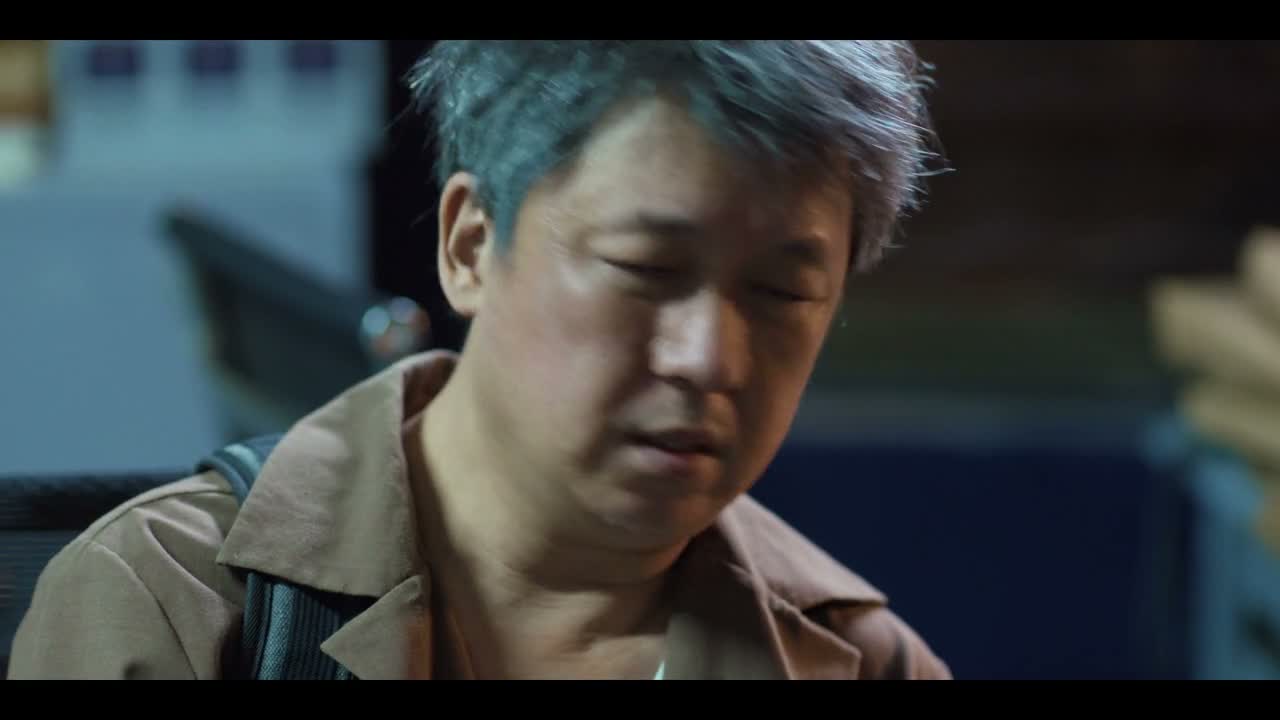
“You hear that? He's scolding you.”

“Are you pretending not to understand or not to hear me?”