莫要伤怀才是
“Don't be sad.”
THE DIALOGUE REEL
夫君
“Dear.”
莫要伤怀 才是
“Don't be sad.”
随她吧
“Let her be.”
Direct spoken expression in this communicative setting.
In classical Chinese culture, an ideal wife is expected to manage domestic emotional stability and offer gentle, respectful solace to her husband in times of distress.
LEARNING CHUNKS & PARTICLES
do not; must not
A literary or archaic negative imperative equivalent to modern '不要' (bùyào).
to grieve; to feel deeply sorrowful
A classical, elevated term used to describe feelings of sorrow or distress.
that would be proper; is what should be done
Placed at the end of a sentence to emphasize what constitutes the correct, sensible course of action.
VOCABULARY & EXPRESSIONS
Parallel Spoken Cinema Scenes (语义近邻切片)

“Don't make fun of me.”

“Don't make the injuries worse.”
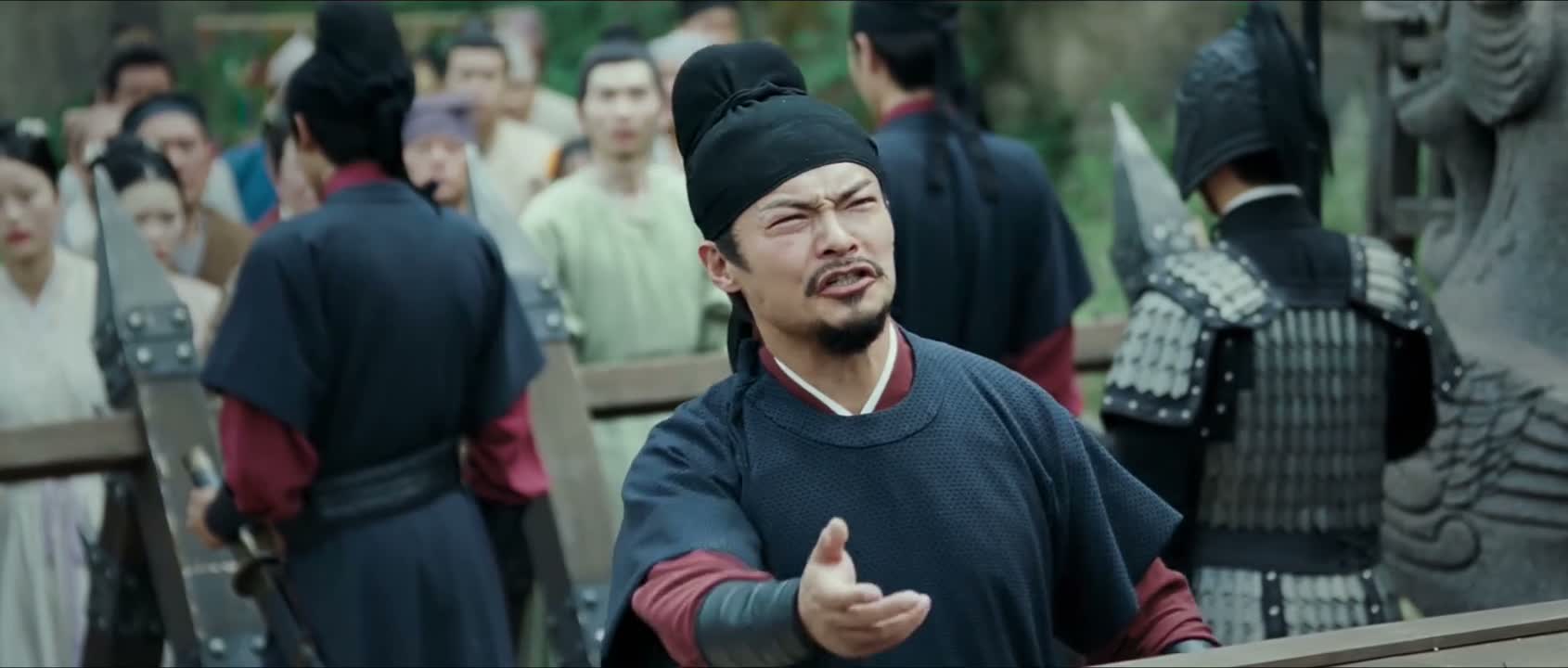
“You must not die with this injustice upon you.”
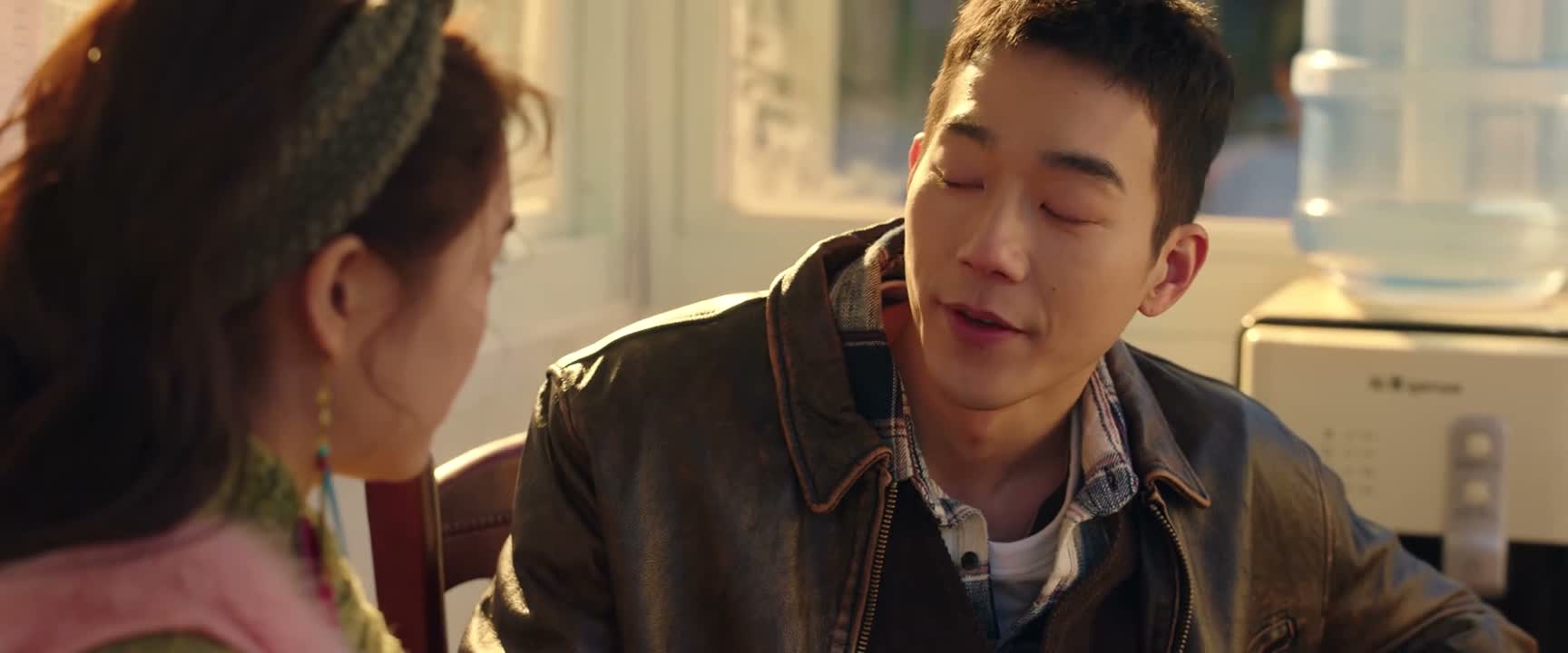
“I won't let myself get hurt anymore.”

“don't let yourself get hurt,”

“don't underestimate yourself.”