当年不是已经撕掉了吗
“Didn't you tear it apart back then?”
THE DIALOGUE REEL
“Why do you have the sea turtle drawing?”
当年 不是已经 撕掉 了吗
“Didn't you tear it apart back then?”
“Why did you put it back together?”
“Why are you digging up the past when we agreed it was over?”
Tearing up a meaningful object symbolizes definitive closure in Chinese cultural narratives, making piecing it back together a strong sign of lingering longing.
LEARNING CHUNKS & PARTICLES
back then; in those years
Commonly used to evoke a nostalgic or significant event that happened long ago.
isn't it the case that...?
A classic rhetorical construction used to confirm shared knowledge or express surprise at a contradiction.
to tear up; to rip apart
Combines the action verb 'tear' with the resultative complement indicating removal or destruction.
Transforms the rhetorical statement into an interrogative challenge, demanding confirmation.
VOCABULARY & EXPRESSIONS
Parallel Spoken Cinema Scenes (语义近邻切片)
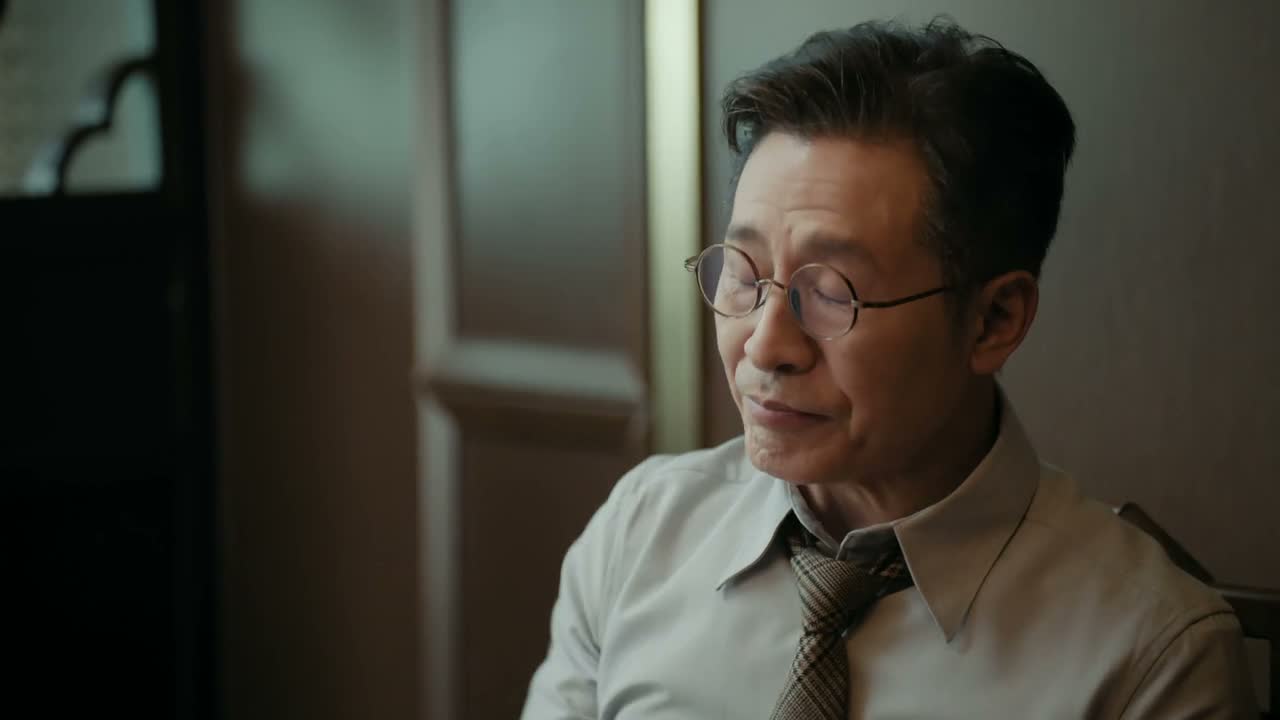
“But hasn't that blown over?”
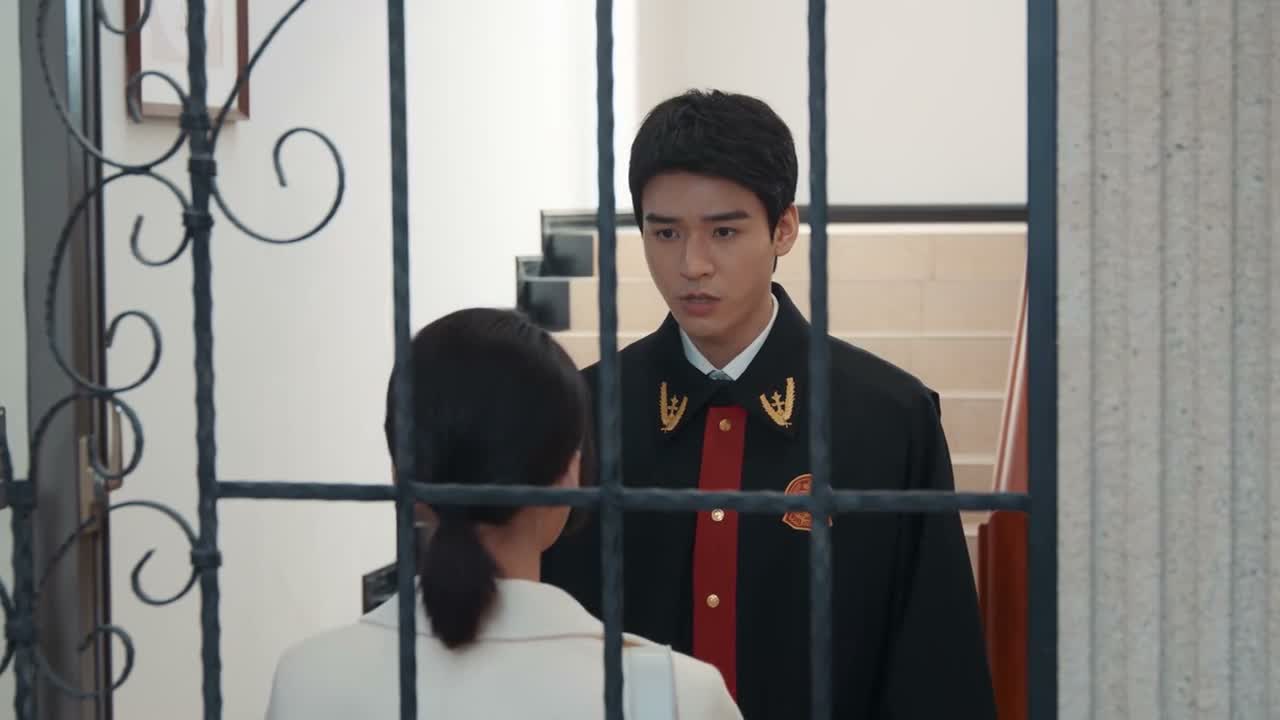
“Was the misunderstanding not already cleared up?”
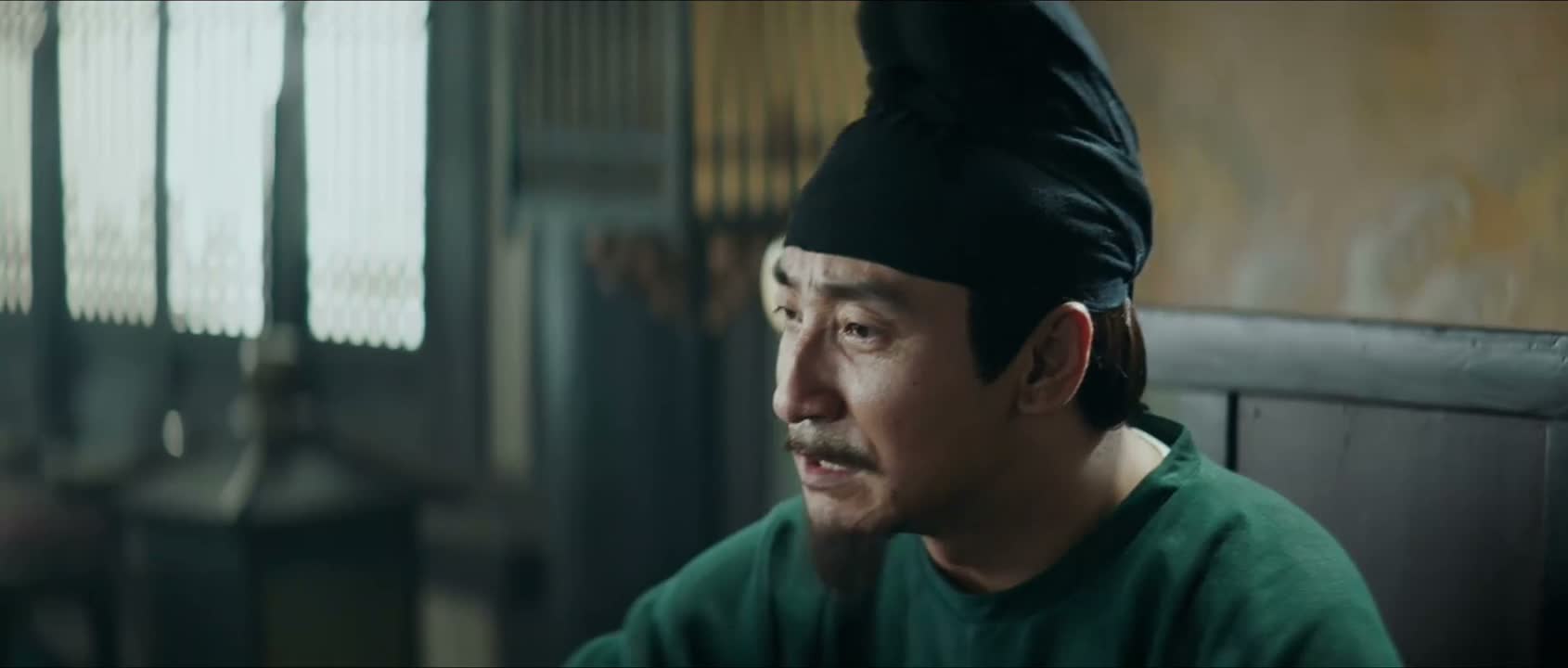
“Wasn't the marriage already called off?”
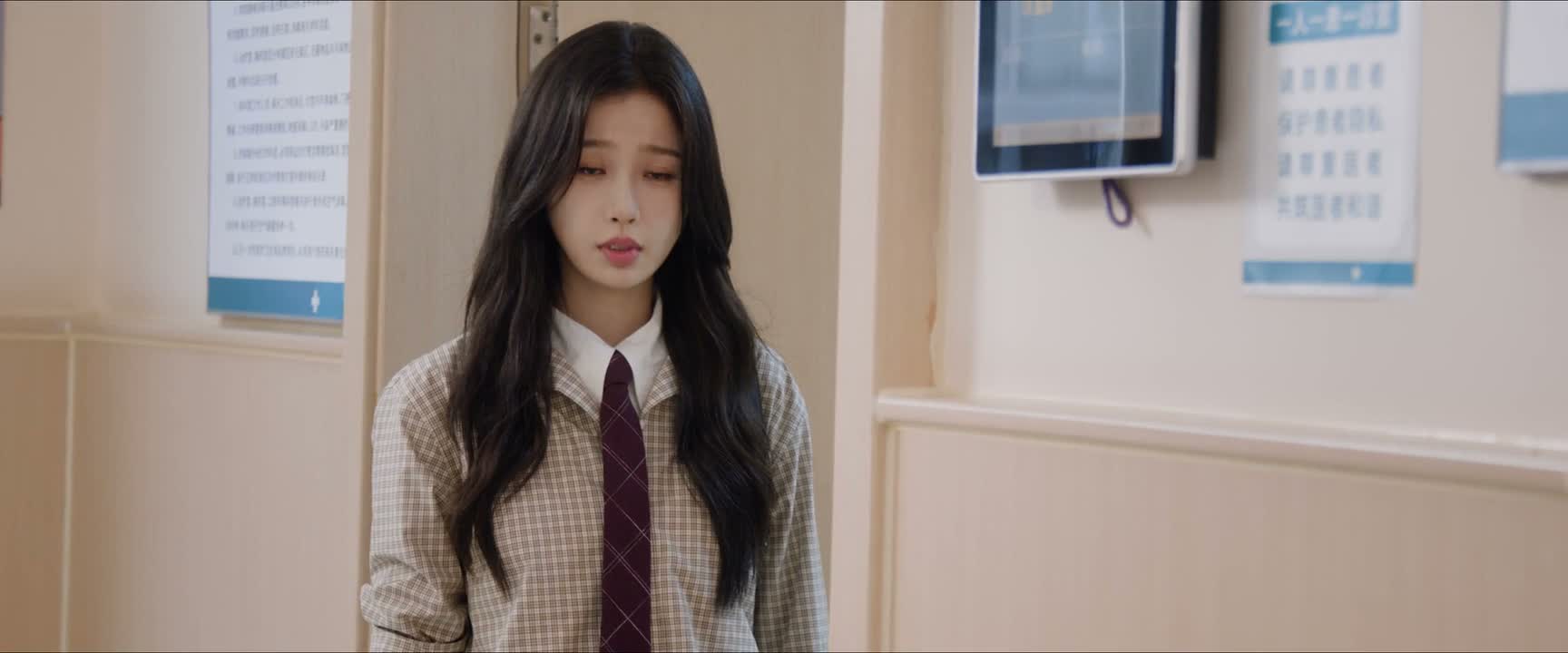
“put this behind you?”

“That case was already concluded back then.”

“Didn't I tell you already?”