MC
MandarinClips Cinema Corpus
《Bloom Life》 S1·E4 (07:28) HSK 3
nà wǒ men bù yě shì wèi nǐ hǎo ma

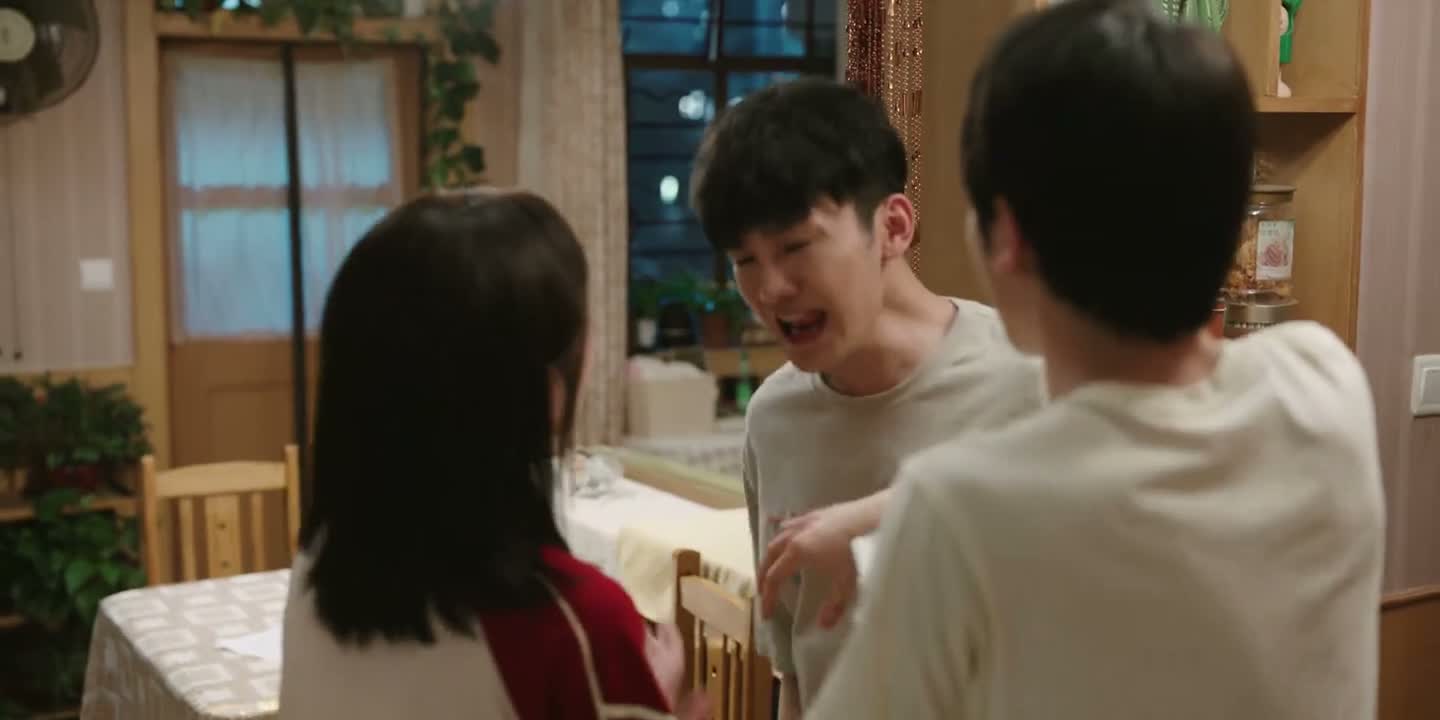
那我们不也是为你好吗

“But weren't we doing it for your own good? Your mother‑in‑law and the others really went too far that day.”

《Bloom Life》 S1·E4
TIMECODE: 07:28 · 1080P MASTER AUDIO

THE DIALOGUE REEL

1+1+1 SPOKEN CONTINUITY
[-1] PREVIOUS TURN shì wǒ men dōu xián de

是 我们都闲的

“Yes, we have nothing better to do.”

nà wǒ men bù yě shì wèi nǐ hǎo ma CURRENT FOCUS

那 我们 不也是 为你好 吗

“But weren't we doing it for your own good? Your mother‑in‑law and the others really went too far that day.”

[+1] FOLLOW-UP TURN nà tiān nǐ pó po tā men què shí tài guò fèn le

那天你婆婆她们确实太过分了

“Your mother‑in‑law and the others really went too far that day.”

Subtitles synced to millisecond timecode Browse Show Clips →
Scene: Family & Home
Function: JUSTIFYING ACTIONS
Tone: DEFENSIVE
Emotion: DEFENSIVENESS
WHAT THEY REALLY MEAN (PRAGMATIC SUBTEXT)
“Stop blaming us; we only stepped in because we care about you.”
💡 Cultural Insight: For Your Own Good (Wei Ni Hao)

A pervasive cultural trope where elders or relatives justify overstepping boundaries by claiming altruistic, protective motives.

INTENT TAGS: #self_defense #moral_leverage #deflection #justification
🧩

LEARNING CHUNKS & PARTICLES

2 CHUNKS · 1 PARTICLES
为你好 SPOKEN CHUNK

for your own good / in your best interest

A quintessential emotional leverage phrase used by Chinese elders or close relatives to justify unsolicited advice.

不也是...吗 SPOKEN CHUNK

isn't it also the case that...

A rhetorical question pattern used to forcefully assert a shared fact or moral justification.

Modal Particle「吗」 (ma) CHANGE OF STATE

Converts the rhetorical statement into an emphatic question demanding affirmation.
🏮

VOCABULARY & EXPRESSIONS

2 EXPR · 8 GRAMMAR
CROSS-CINEMA CORPUS BOARD · PARALLEL SCENES

Parallel Spoken Cinema Scenes (语义近邻切片)

EXPLORE BY SEMANTIC SIMILARITY
《Bloom Life》 S1·E4 (07:28) · Authentic Cinema Dialogue Corpus