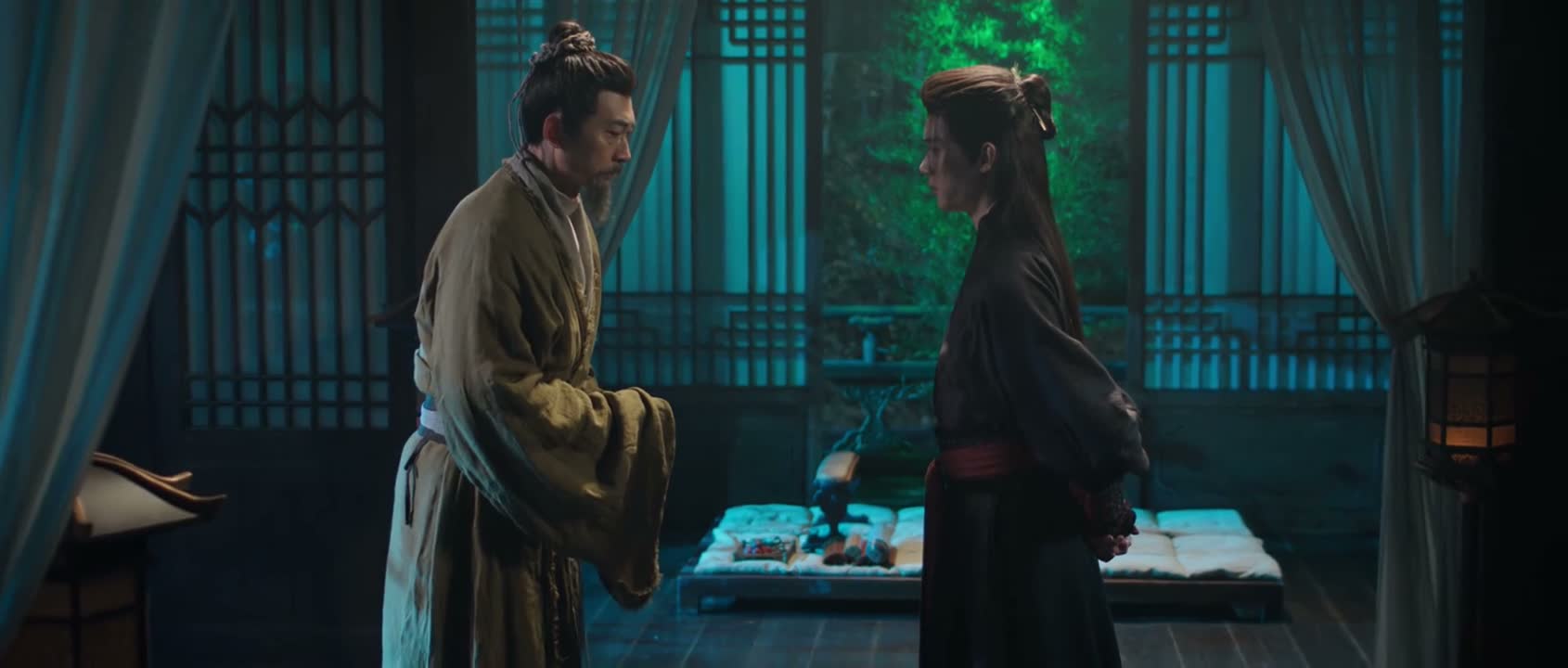
你要放走那姓慕的 放走就是了
“If you wanted to free him, fine...”
THE DIALOGUE REEL
你 要 放走 那 姓慕 的 放走 就是了
“If you wanted to free him, fine...”
你怎么也走了
“but why leave as well?”
“I can overlook you releasing that guy, but why are you abandoning me too?”
Using '姓+surname+的' marks social distance and often slight contempt, depersonalizing the rival while focusing entirely on personal loyalty between the interlocutors.
LEARNING CHUNKS & PARTICLES
and that's that / just do it
Used at the end of a clause to express reluctant concession, impatience, or that an action is simple enough to settle a matter.
the person surnamed...
A colloquial and often slightly derogatory or dismissive way to refer to a third party.
Combined in '就是了' to indicate resolution and finality regarding a conceded action.
VOCABULARY & EXPRESSIONS
Parallel Spoken Cinema Scenes (语义近邻切片)
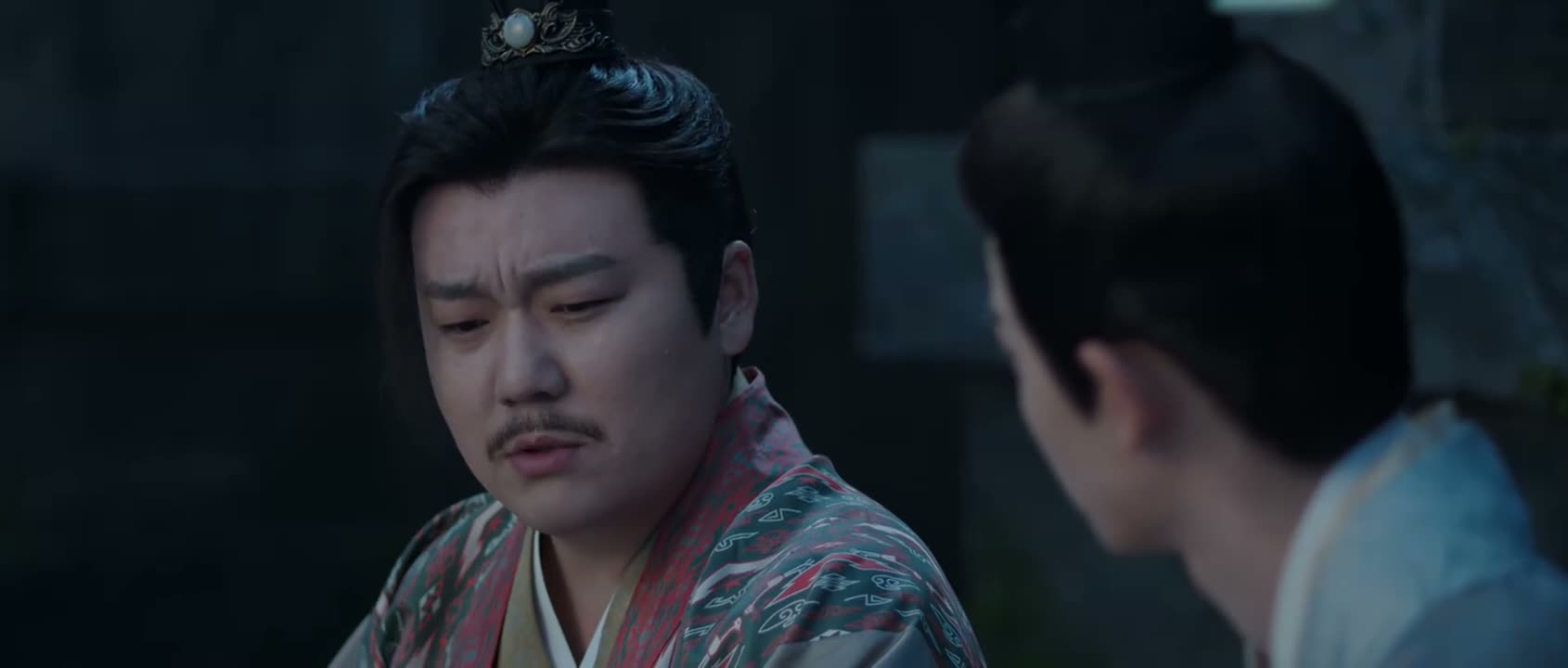
“give up on that Mu boy.”
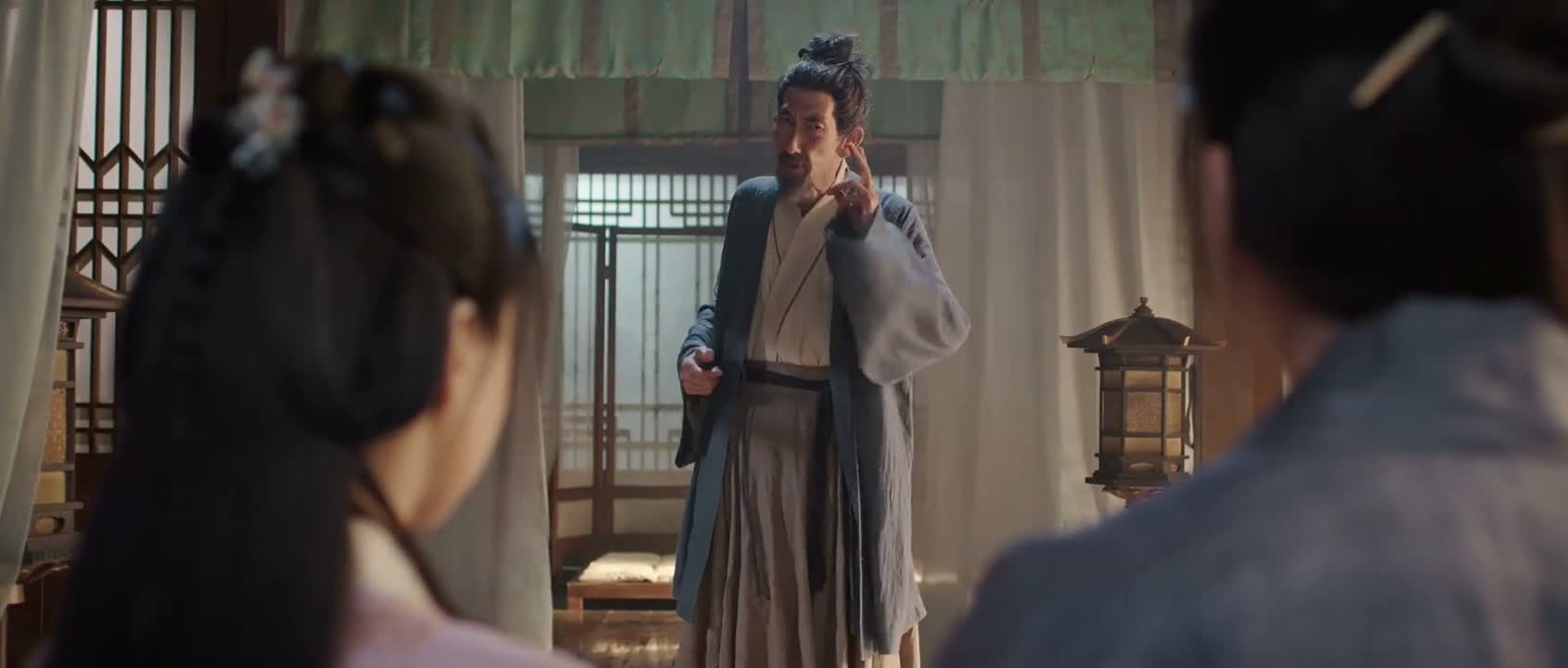
“are you going to repeat the Mu clan's past mistakes?”
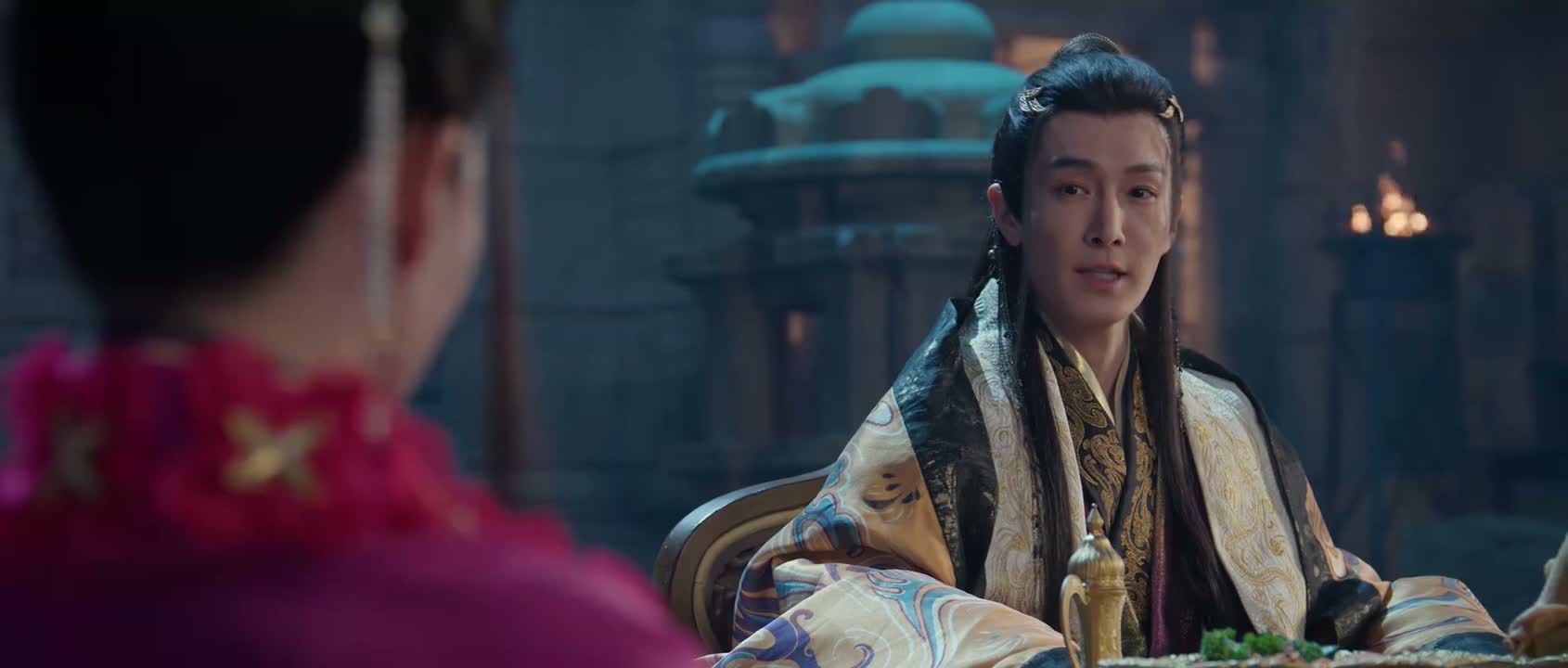
“After we finish the Mu clan remnants,”
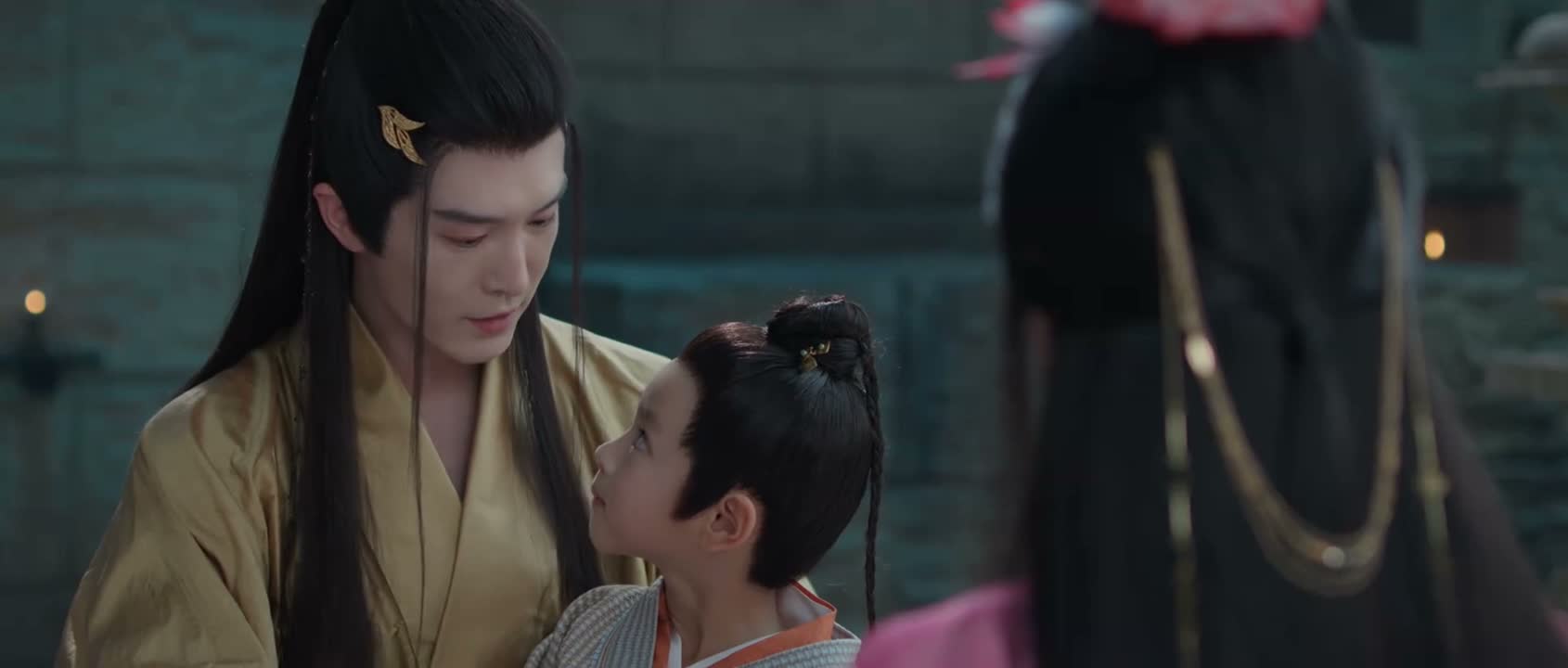
“No longer tied to the Mu clan.”

“How could I let you go?”
“an ambitious Mu heir to leave freely.”